Key Features of Staged Housing Projects#
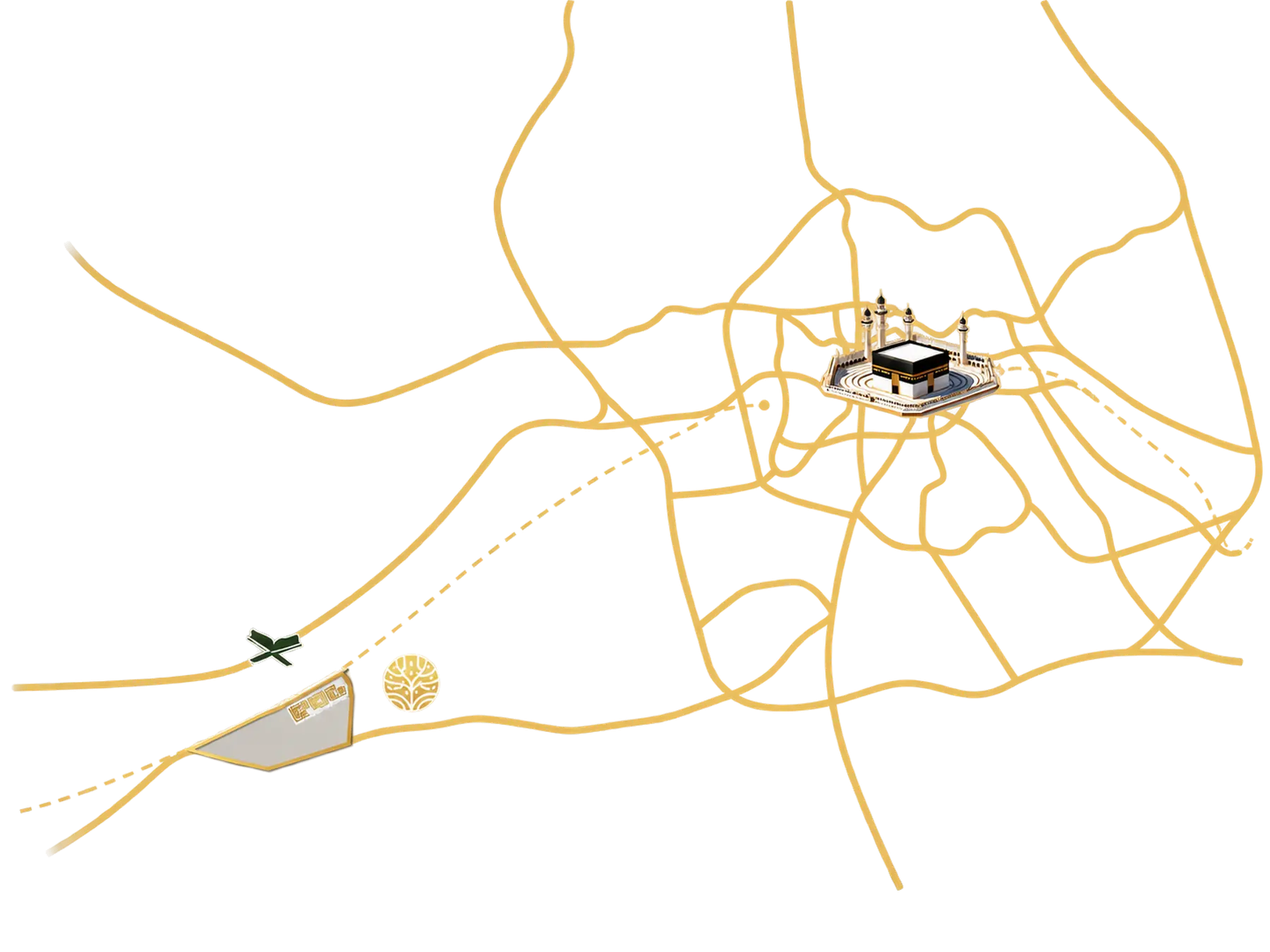
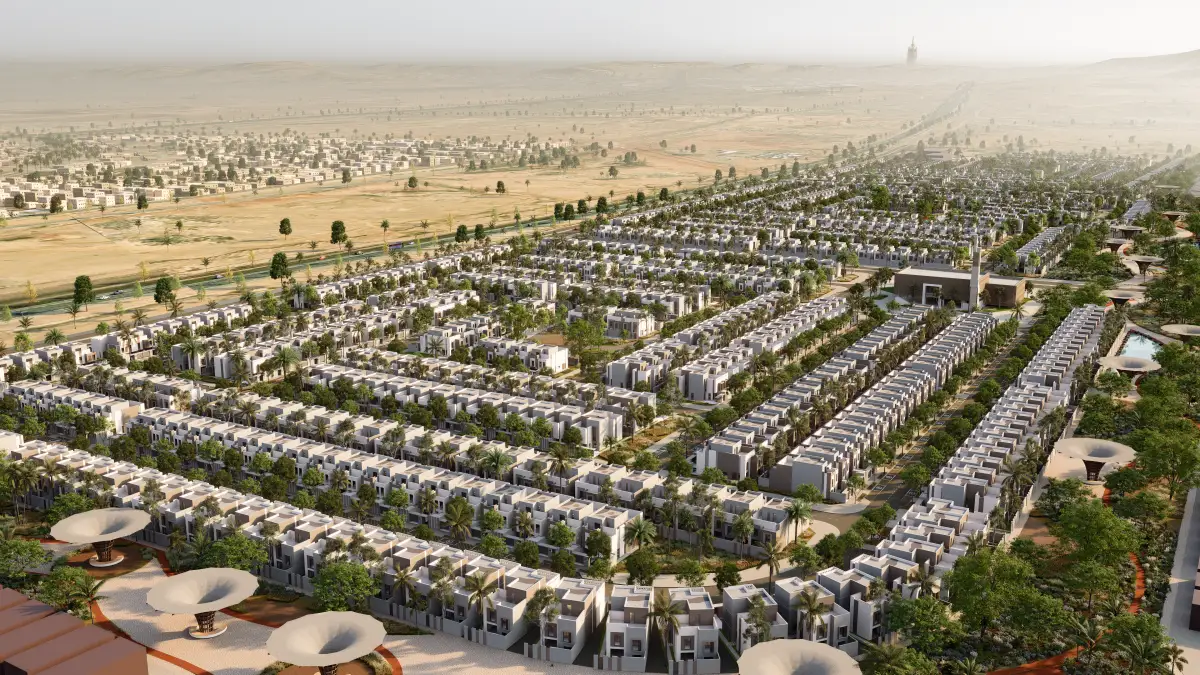
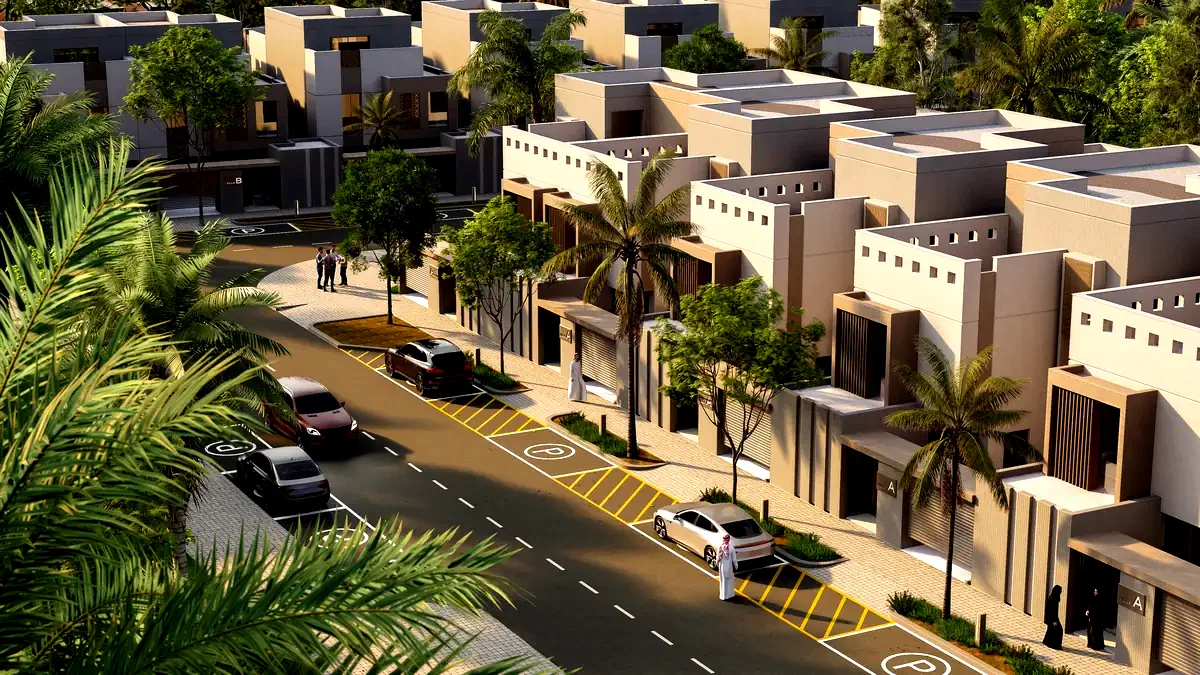
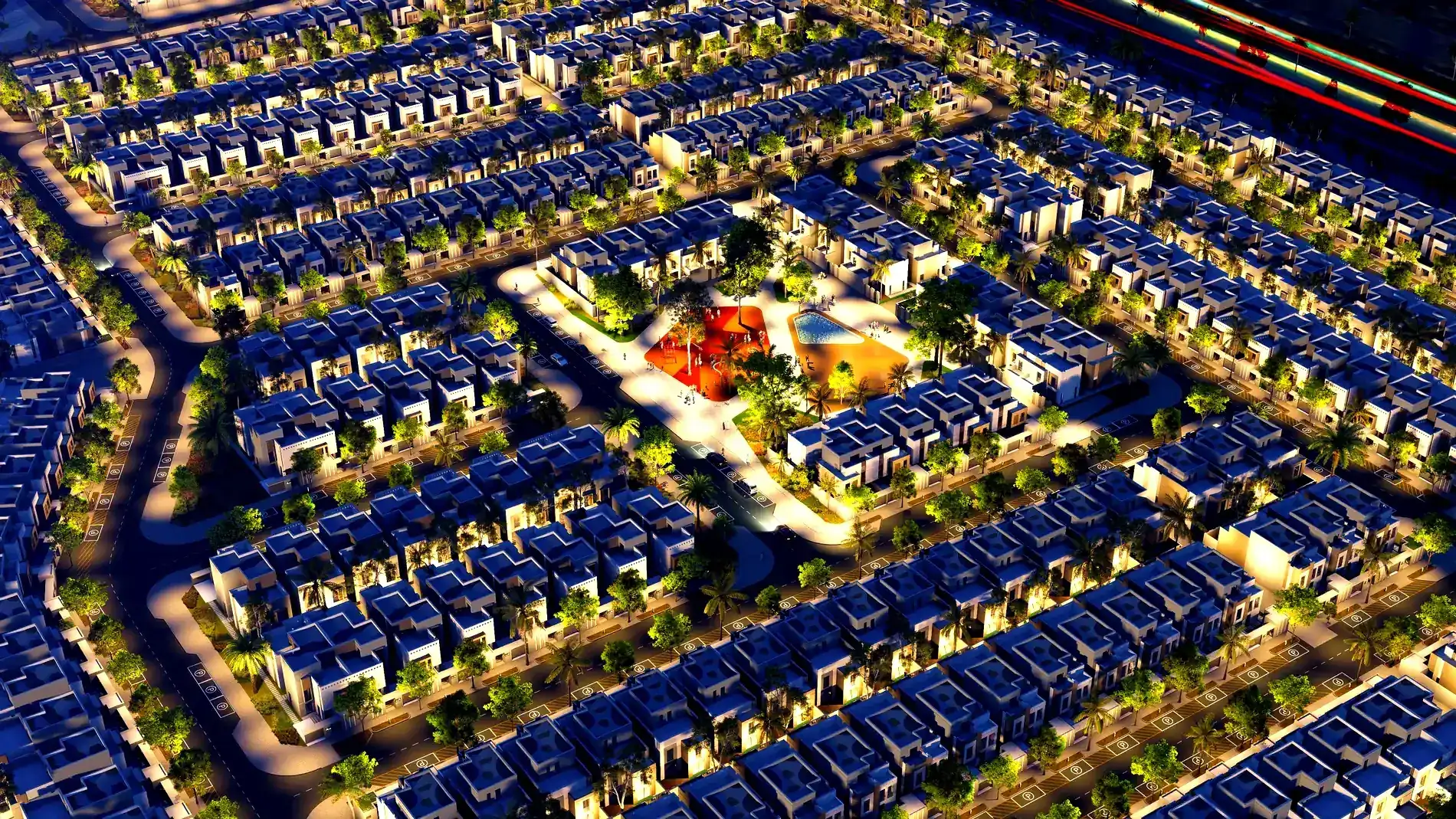
Staged housing projects are a common model in the construction sector, aiming to provide quality living spaces for numerous families. Key features of such projects include meticulous planning stages, the functionality of architectural design, and the integration of social amenities. Each stage is completed within a specific timeframe, creating living spaces that cater to the needs of residents. Hayat Makkah, located at the western entrance of Makkah, serves as a beautiful example of such projects. Developed under the partnership of Emlak Konut and NHC, this project aims to add value to the architectural identity and social fabric of the region.
Quick Summary
- Staged housing projects offer living spaces built in phases.
- Each stage is completed within a specific timeframe and is supported by social amenities.
- Hayat Makkah is a beautiful example of these projects with its unique architecture.
The Importance of Planning Stages#
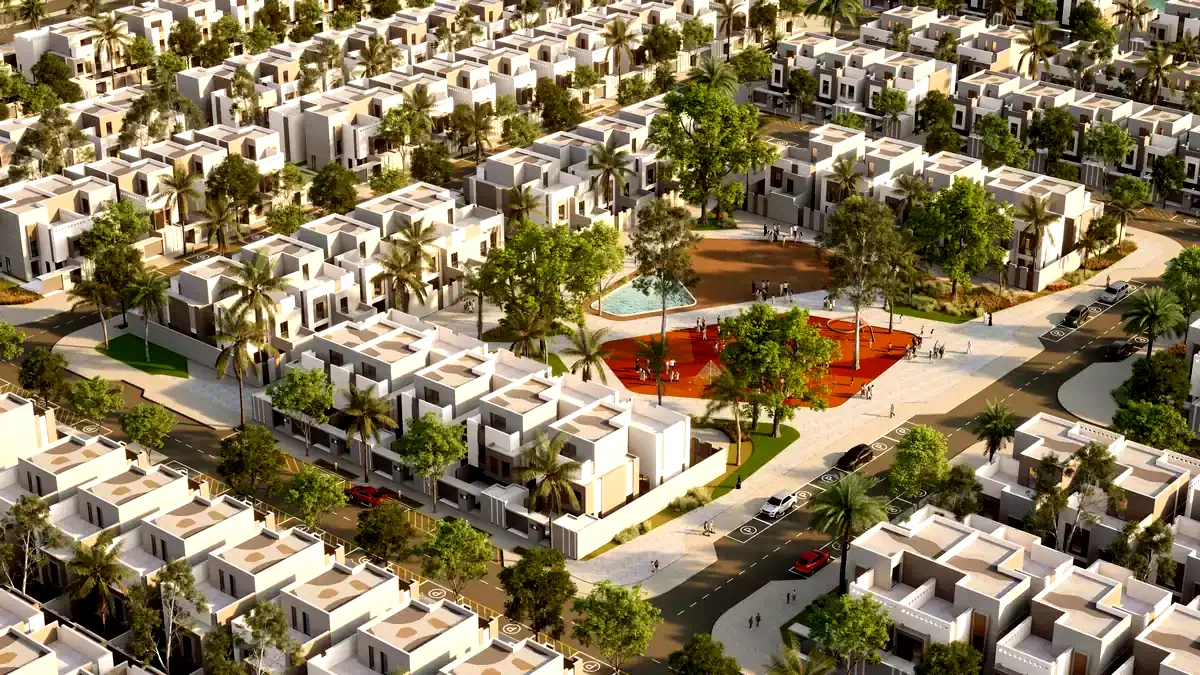
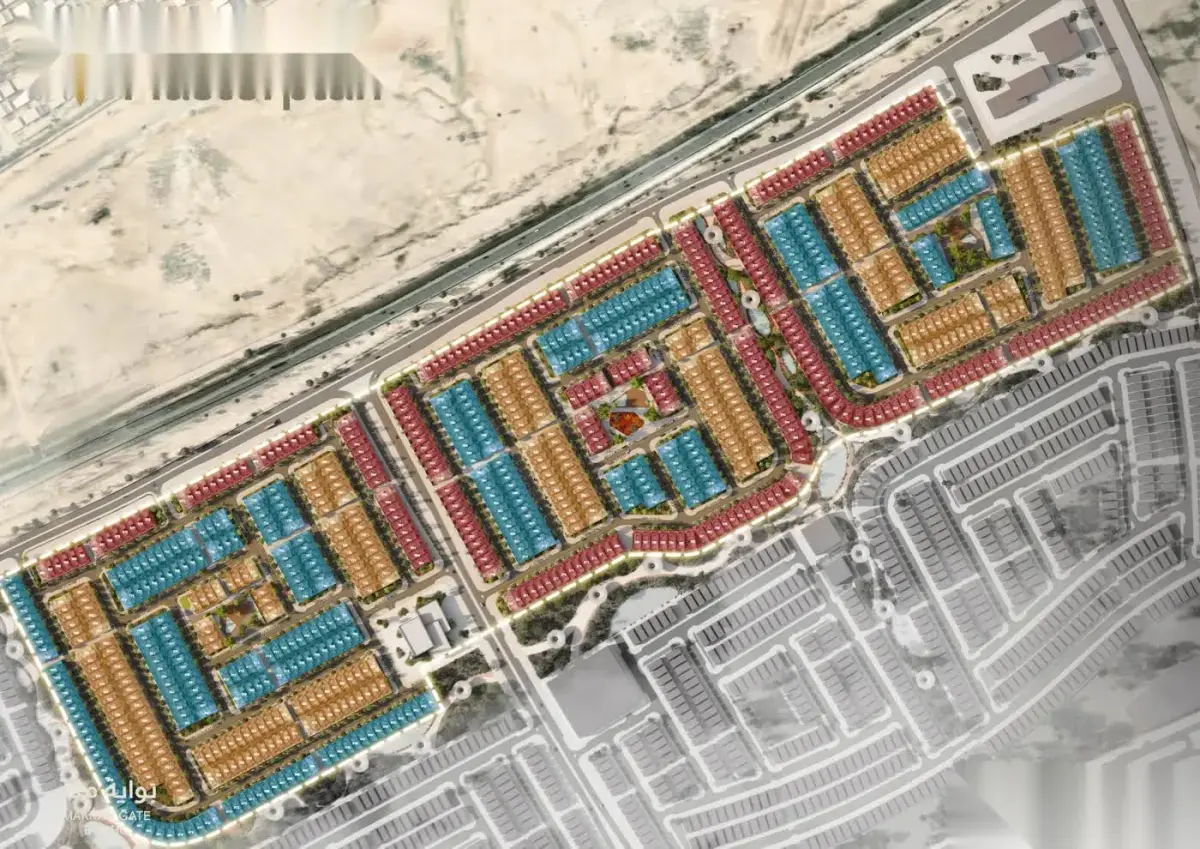
One of the most important features of staged housing projects is that each phase undergoes a detailed planning process. This process includes stages such as site studies, social needs analysis, and budget planning. For instance, the social amenity areas designated for each stage in Hayat Makkah have been shaped according to the needs of the local community. As a result, the parks, playgrounds, and social facilities included in the project enhance the quality of daily life for residents. It is crucial to note that mistakes made during the planning stage can lead to significant costs. Such errors can be prevented with proper social space analysis.
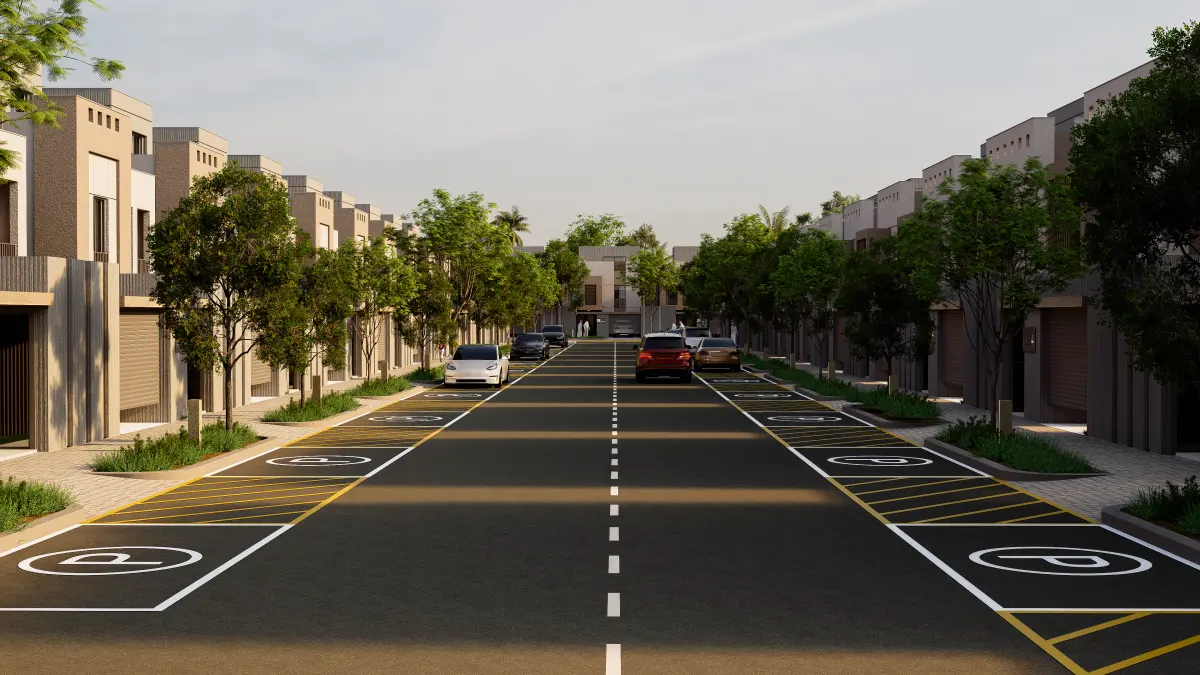
- Planning of axial roads
- Integration of green spaces
- Placement of social amenities
Architectural Design and Functionality#
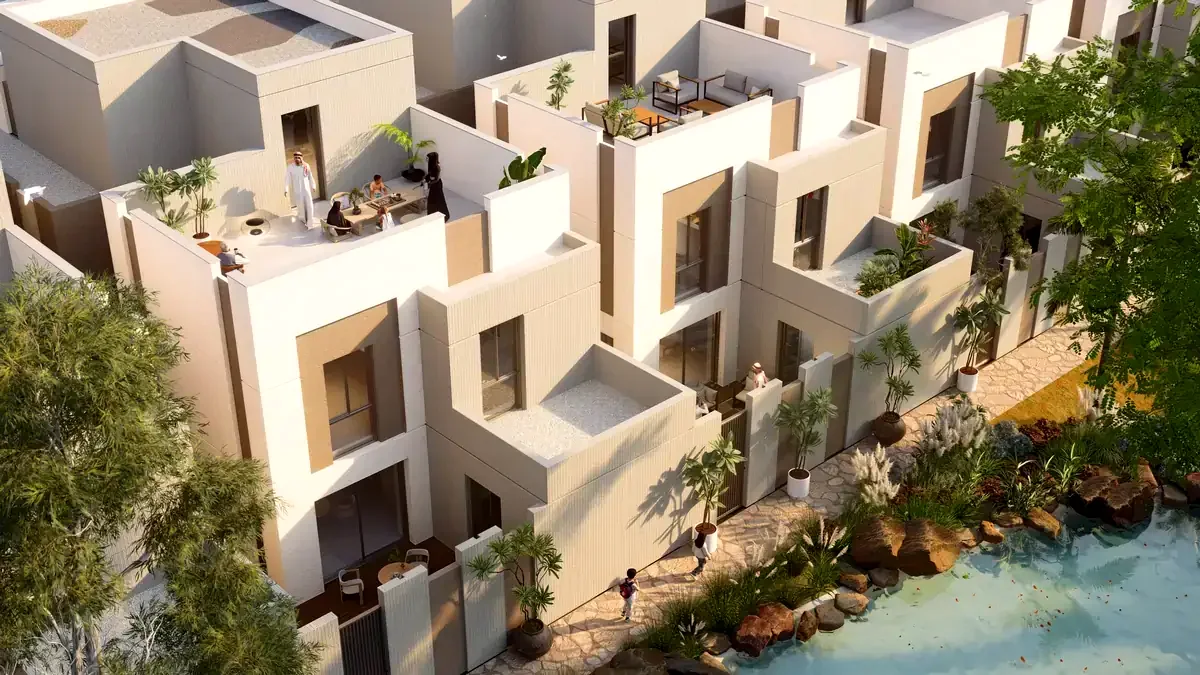
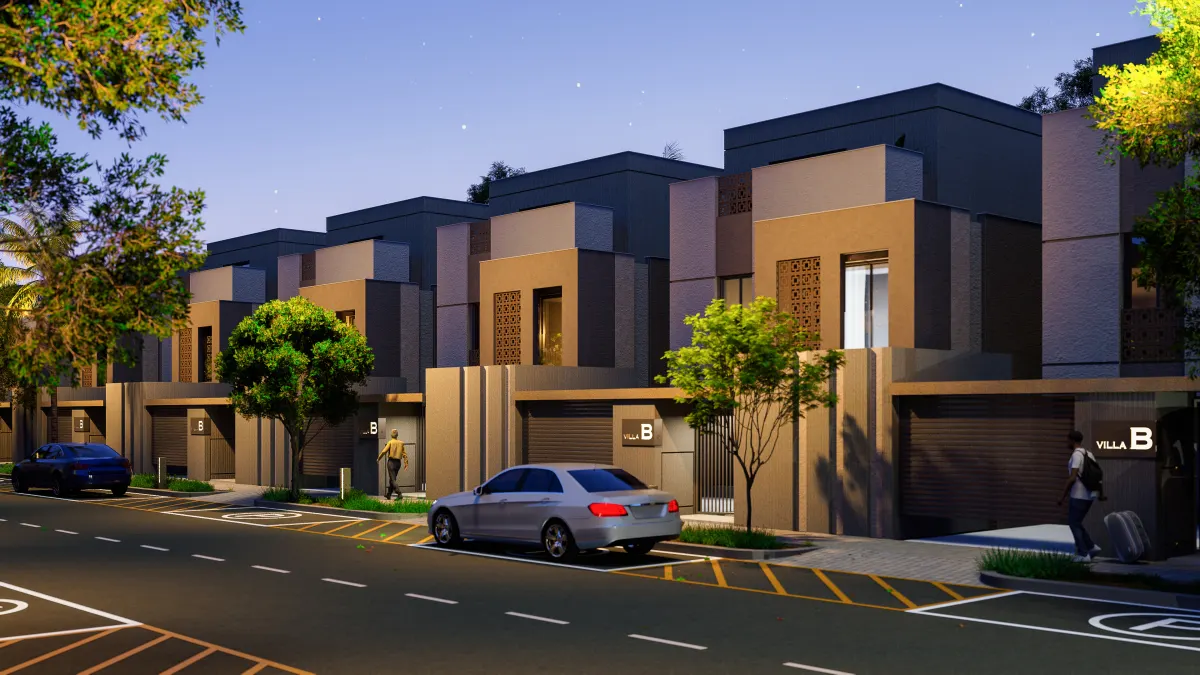
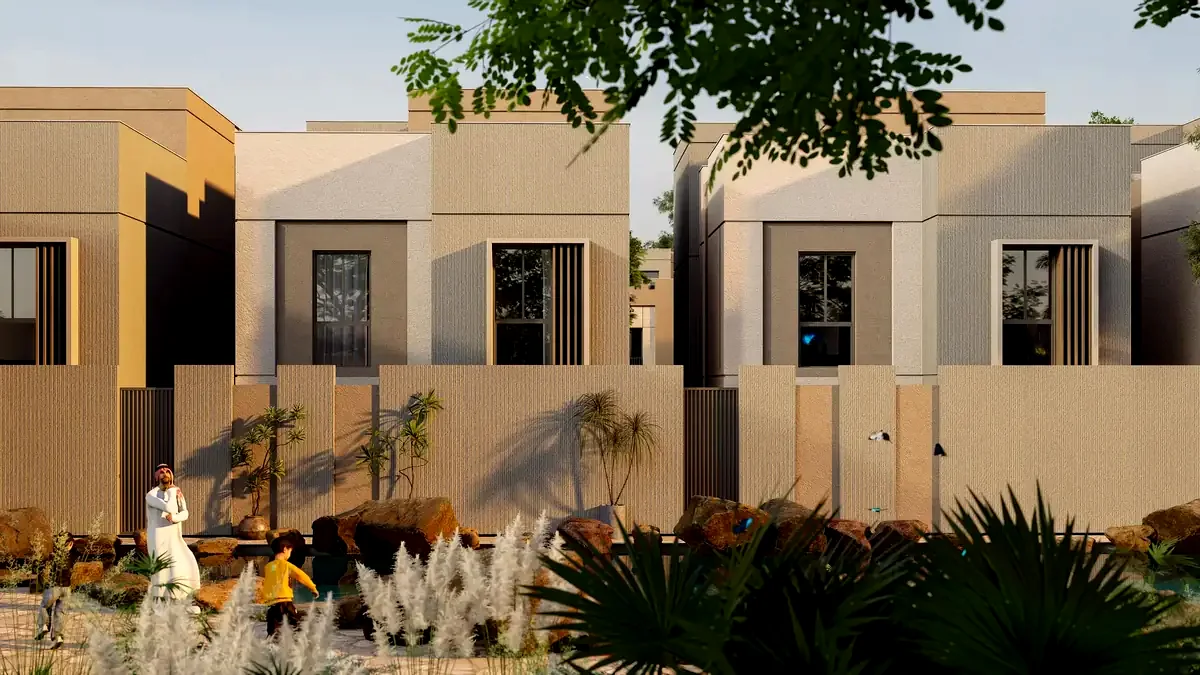
In staged housing projects, the functionality of architectural design holds great importance. In Hayat Makkah, the design of the villas combines elements of Hijazi architecture with modern interpretations. The rawashin (projecting bay window) structures provide shade while enhancing privacy. Additionally, each villa is organized into ground, first, and roof levels. This arrangement offers flexible living spaces according to the needs of families. For example, the spacious terrace and seating areas on the roof level provide an ideal environment for families to hold social activities. Moreover, the separation of areas like the majlis from family living spaces supports the function of creating private areas.
Social Amenities and Community Integration#
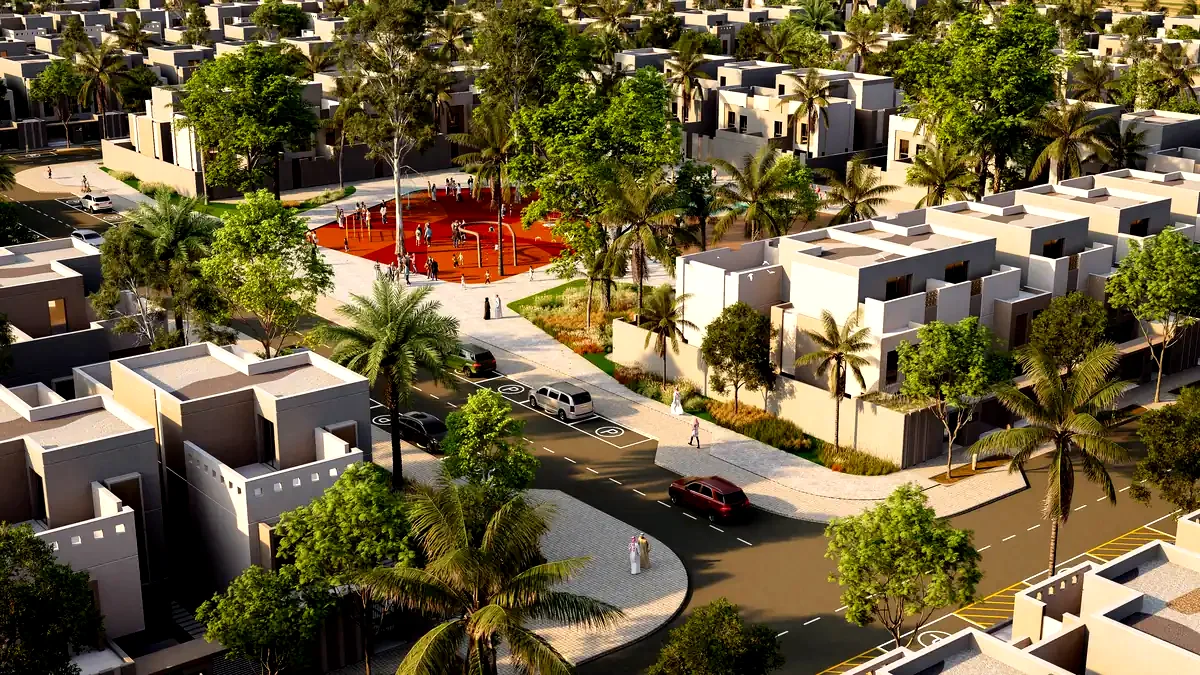
Another important aspect of staged housing projects is their ability to ensure the integration of social amenities into the community. Hayat Makkah is a project that stands out with its social spaces. Amenities such as parks, sports areas, and children's playgrounds, where families can engage in social interactions, hold significant importance in the design of the project. The planned social facilities within the project not only allow residents to maintain a comfortable living but also strengthen their social relationships. A lack of such social spaces can negatively affect residents' social interactions and reduce the attractiveness of the project.
In conclusion, staged housing projects bring together many important elements, from the planning stage to architectural design and the integration of social amenities. Hayat Makkah aims to provide its residents with a quality living space by successfully combining these elements. Each phase and component are critical factors determining the success of the project. Therefore, meticulously conducted planning and architectural designs in such projects play an essential role in enhancing long-term quality of life.
Advantages of Staged Housing Projects#
Staged housing projects stand out as projects where housing production is carried out in a systematic and orderly manner. These types of projects are generally preferred in large-scale land development efforts. They offer significant advantages not only during the construction process but also in terms of customer satisfaction. By utilizing advanced planning and management methods, staged projects provide opportunities to shorten construction times, increase cost efficiency, and elevate the quality standards of living spaces. With careful resource management throughout the process, projects can be completed on time and within the specified budgets. Therefore, they provide numerous potential benefits for homebuyers and investors.
Resource Management and Efficiency#
In staged housing projects, resource management plays a critical role. At every stage of the projects, the balanced use of necessary materials, labor, and financing must be ensured. In such projects, a project plan is primarily created to determine which materials will be used, when, and in what quantities. For example, in a construction project, the procurement times and costs of essential materials such as cement, sand, and iron are calculated in advance. If this process is not well managed, issues such as material shortages or cost overruns may arise. Such situations can extend the completion time of the project and increase costs. Therefore, the efficiency of projects can be enhanced through proper resource management.
Customer Satisfaction and Communication#
In staged projects, customer satisfaction must be prioritized at every stage. As the project phases progress, maintaining regular communication with customers is critically important for understanding their needs and expectations. In such projects, sales offices and customer representatives communicate with buyers at every stage of the process to answer their questions and address their concerns. This communication increases customer trust and strengthens their connections to the project. Quickly making changes that align with customer requests enhances the positive contributions to the project. Ensuring customer satisfaction strengthens the brand image in the long term.
Planning and Time Management#
Staged housing projects are typically planned with good time management. Each stage is designed to be completed within a specific timeframe. This process ensures that project managers and engineers can carry out various stages on time. During the planning phase, a clear schedule is established regarding when and how resources will be used. If the planning phase is skipped, delays and resource wastage may occur during the construction process. This can lead to both cost and time losses. Therefore, effective planning and time management are vital for the successful completion of projects.
In conclusion, staged housing projects offer many advantages such as efficiency, customer satisfaction, and time management. These approaches ensure that construction processes progress in a more orderly and systematic manner. Additionally, by effectively utilizing resources, they keep costs under control, benefiting all stakeholders. Therefore, when homebuyers and investors evaluate such projects, they should consider the advantages offered by staged structures.
Phased Housing Project Processes and Stages#
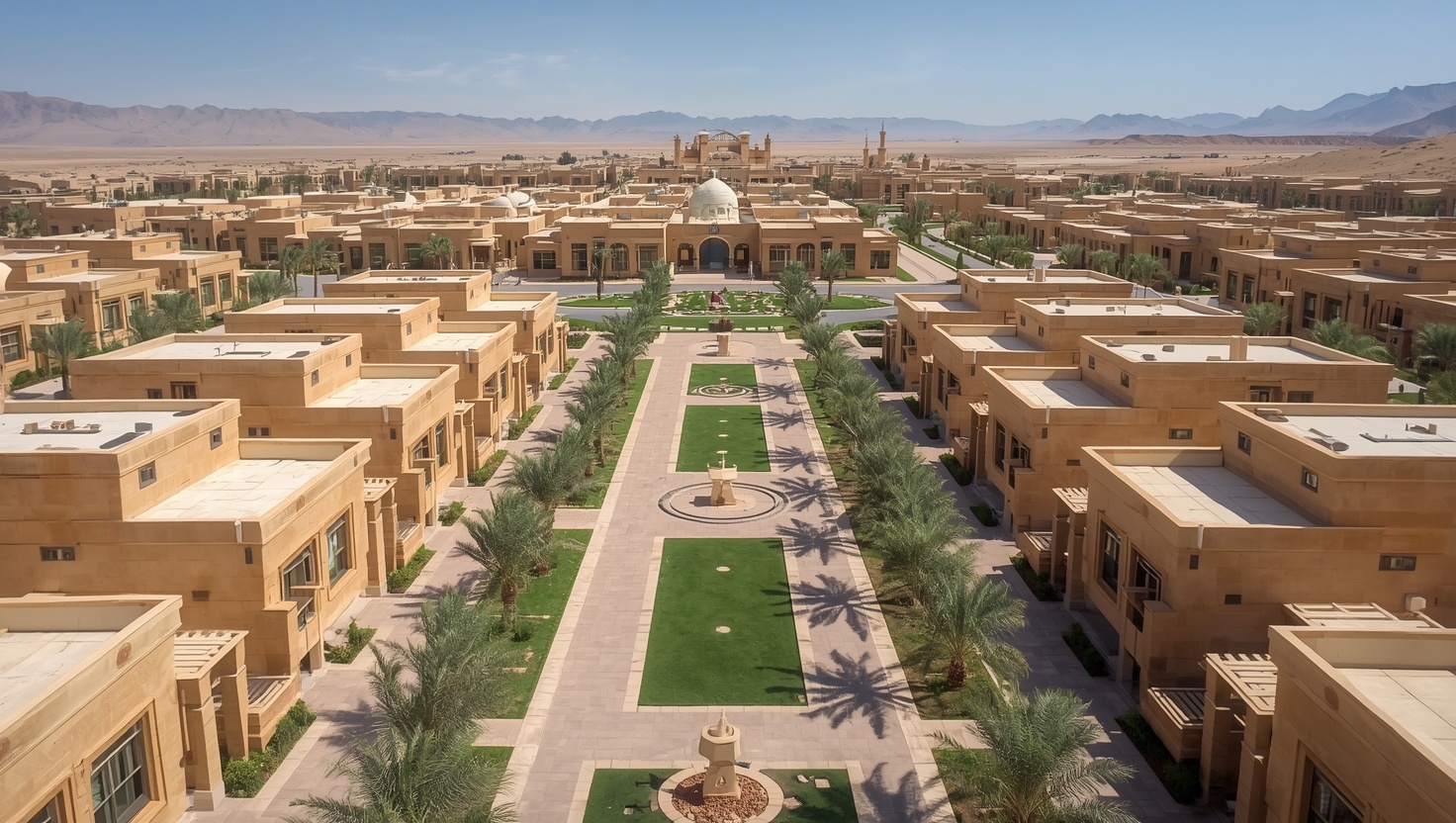
Phased housing projects ensure the planned execution of a complex construction process. These types of projects typically cover large areas and are implemented in several stages to create various living spaces. A good phased project must meet both technical and social needs. This process is shaped by considering local regulations, construction standards, and environmental factors. The stages include design, construction, and delivery processes. Each stage contains details that affect the overall success of the project. In this article, we will examine the processes of phased housing projects.
Project Planning and Design Stage#
The first stage of a phased housing project is a comprehensive planning process. At this stage, the project team works to develop a design that complies with local regulations. For example, analyzing the topography of the land, climate conditions, and local infrastructure is critically important. Additionally, it is determined what types of housing structures the project will focus on and the social amenities (such as parks, schools, and commercial areas) that will be included. The success of this stage is achieved by applying functional design principles without causing excessive detailing.
- Obtaining a building permit in accordance with local regulations
- Considering the environmental impacts of the design
Construction Process#
The construction process typically consists of multiple stages in phased projects. These stages include foundation laying, structural construction, interior arrangements, and exterior façade works. During the foundation laying stage, soil studies and infrastructure works play a significant role. Following this, in the structural construction stage, the installation of load-bearing systems and the completion of superstructure construction take place. During this process, modern construction technologies are used to enhance construction quality. Considering quality control processes is important for timely delivery.
Use of Local Materials and Sustainability#
Using local materials in phased housing projects reduces costs and supports the local economy. Project developers may prefer energy-efficient systems and recyclable materials to ensure environmental sustainability. This approach increases energy savings both during the construction process and in the operation of the houses. For example, solar panels and water recovery systems have the potential to reduce long-term operating costs.
Completion of Construction and Delivery Process#
Once the project is completed, the houses are typically subjected to a delivery process. This process includes obtaining all necessary documents and permits after the completion of construction. Additionally, quality control must be conducted before the houses are delivered to the buyers. The delivery process is important for resolving any issues faced by the buyers and ensuring a smooth transition. After the project is completed, ensuring the social infrastructure of the settlement area creates a comfortable living space.
In conclusion, phased housing projects are complex processes that require careful management of planning, construction, and delivery stages. Each stage contains significant elements that affect the overall success of the project. To create a quality living space, it is critical to develop solutions that are suitable for local conditions and to consider sustainability principles throughout this process.
Things to Consider in Staged Housing Projects#
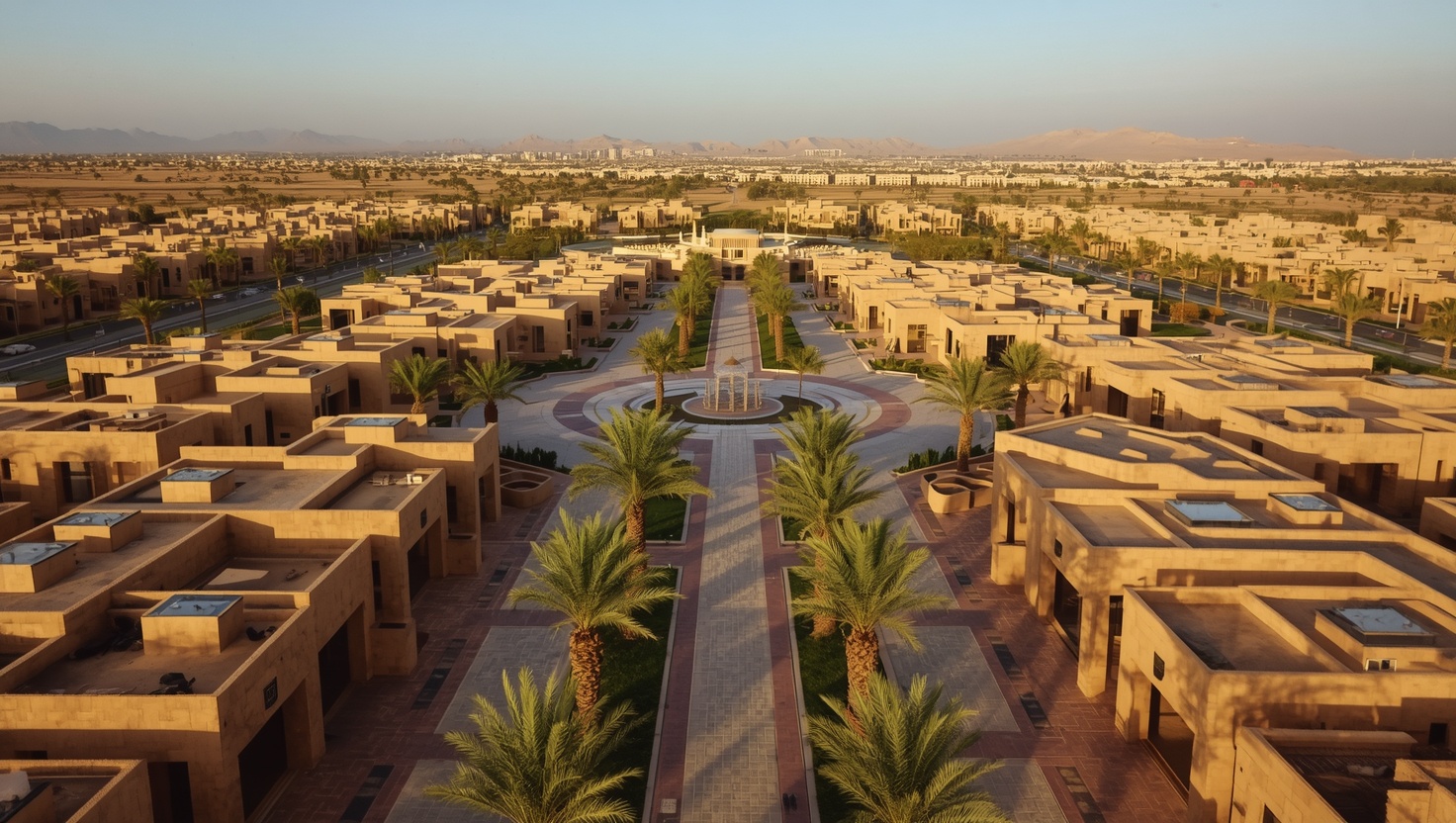
Staged housing projects emerge from the phased execution of the construction process. For these types of projects to be successful, certain processes must be managed carefully. At each stage, various architectural and technical details should be taken into account. In this process, elements such as time management, budget planning, and material selection play a critical role. Additionally, planning the layout and social areas is important to enhance the quality of life for residents. Hayat Makkah stands out with details reflecting modern Hijazi architecture while considering these elements in its design. In this article, we will elaborate on the factors that need to be considered in staged housing projects.
Planning and Design Process#
In staged projects, the first stage is a comprehensive planning and design process. At this stage, the overall layout of the project, housing types, and social areas should be determined. During the design process, environmental factors and local climate conditions should be taken into account. For example, at Hayat Makkah, elements such as façade recesses that control sunlight and shaded terraces have been incorporated into the design using modern interpretations of traditional Hijazi architecture. This way, both aesthetic and functional structures have been achieved.
- Material selection suitable for local climate conditions
- Strategic positioning of social areas
- Flexible arrangements anticipating future needs
Control and Management During the Construction Process#
During the construction process, an effective control mechanism is necessary to ensure that stages are completed on time and in accordance with established standards. At every stage of the project, elements such as material quality, labor management, and cost control should be closely monitored. For instance, at Hayat Makkah, collaboration is made with inspection firms during the construction process of each villa to ensure standards are maintained. Such control mechanisms are critical for quickly resolving any issues that may arise in the project.
Material Selection and Sustainability#
In staged housing projects, material selection is an important factor in terms of sustainability. The durability, energy efficiency, and environmental impact of the materials used should be considered. Hayat Makkah utilizes local resources to create landscaping with eco-friendly materials and drought-resistant plants. These approaches create an environmentally sensitive living space while enhancing the quality of life for residents.
Planning of Social Areas and Infrastructure#
Social areas play a significant role in the success of a housing project. The planning of these areas should be strategically designed to enhance social interaction among residents. Additionally, the adequacy and effectiveness of infrastructure services (water, electricity, security) should be ensured. At Hayat Makkah, the planning of social areas has been designed to facilitate residents' daily lives. Areas such as parks, playgrounds, and social facilities allow families to come together.
In conclusion, the factors that need to be considered in staged housing projects play a decisive role in the success of the project. Starting from the planning and design process, every stage, including construction management, material selection, and planning of social areas, should be handled meticulously. Hayat Makkah, by considering these elements, offers quality and sustainable living spaces. At every stage of the project, with the efforts of expert teams, a spacious and peaceful living environment is created for its residents. In such projects, when the right steps are taken, both the quality of life improves and the investment value increases.
Get Information About Hayat Makkah#
Get the latest information about villa types, community layout, and the purchasing process from the Hayat Makkah team:
- Phone: +966 13 518 1891
- Email: info@emlakkonut.sa
- Web: hayatmakkah.com