Saudi Arabia's Vision 203 Strategies and Housing Goals#
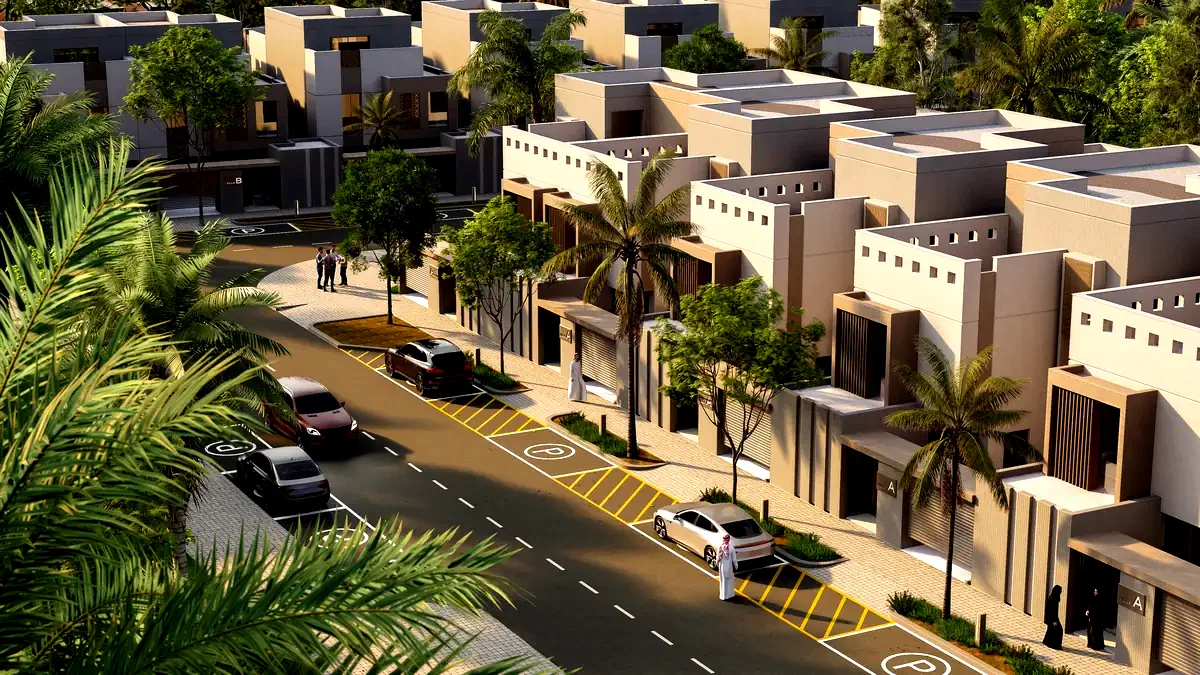
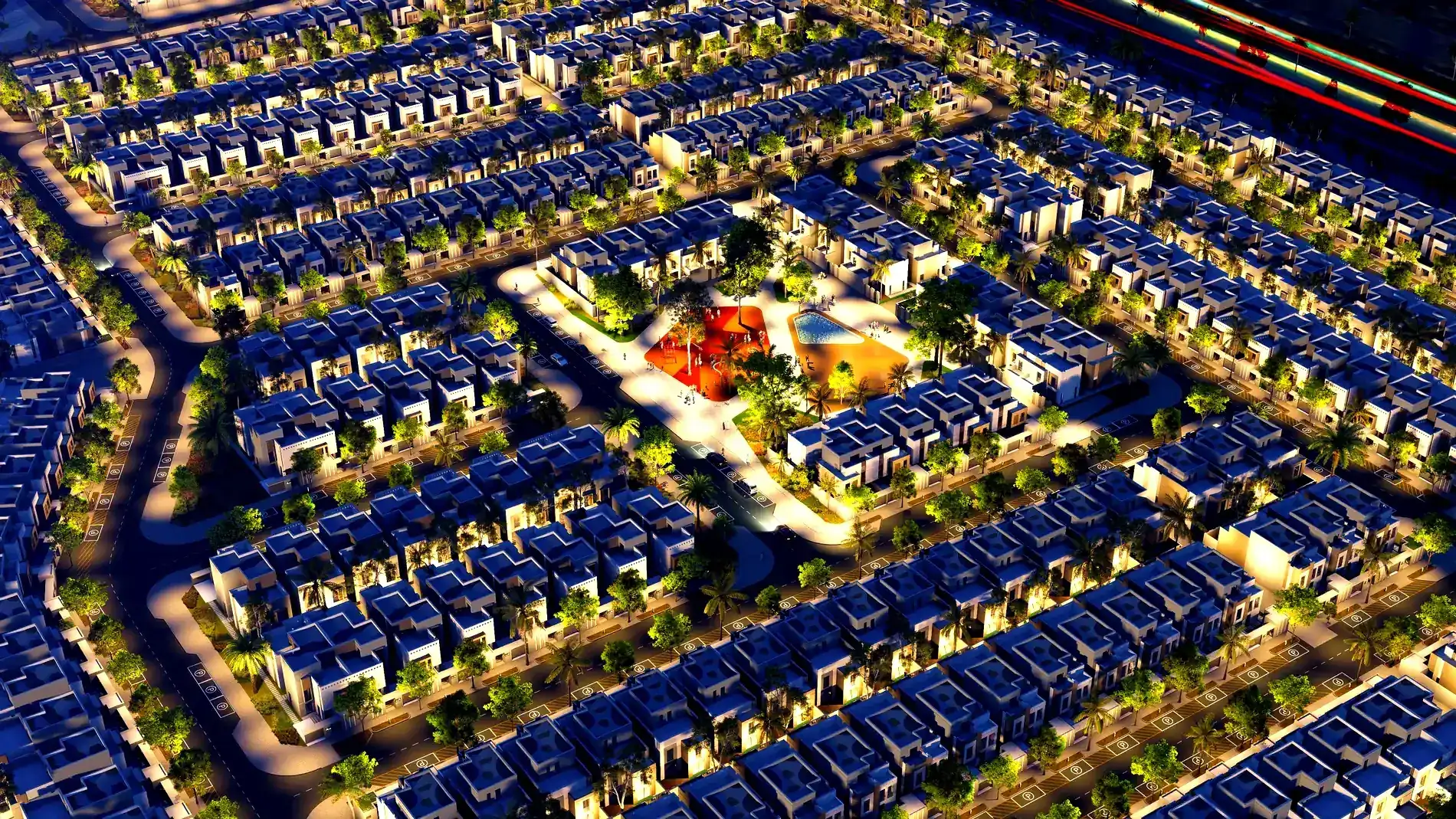
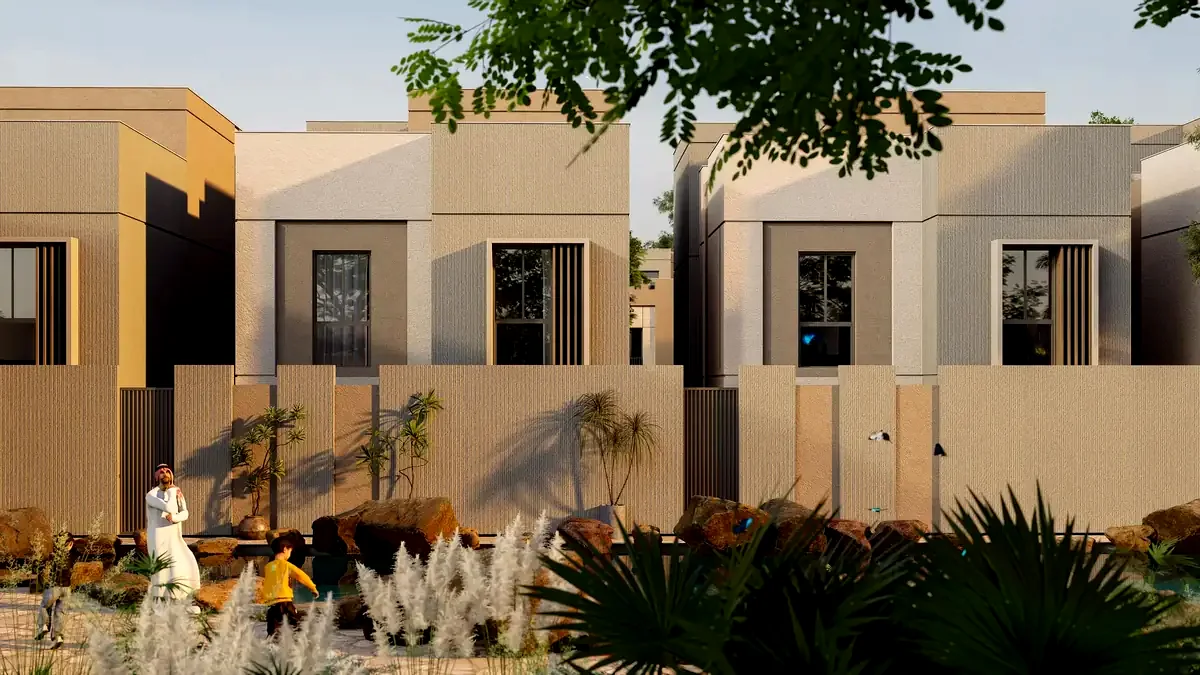
Saudi Arabia's Vision 203 program has been created with the aim of transforming the country's economic and social structure. This strategy not only aims to promote economic diversification but also includes comprehensive goals aimed at improving housing and living spaces. Vision 203 aims to provide housing solutions suitable for Saudi Arabia's rapidly growing population by increasing private sector participation and addressing housing needs through government-supported projects. Projects like Hayat Makkah are developed within this vision framework, aiming to offer modern living spaces and respond to social needs.
Quick Summary
- Vision 203 is Saudi Arabia's economic and social transformation plan.
- Housing projects are designed with increasing population and quality of life goals in mind.
- Collaboration between the private sector and the government plays a critical role in meeting housing needs.
Core Objectives of Vision 203#
Among the core objectives of Vision 203 are increasing the country's economic diversification, creating job opportunities, and improving living standards. In line with these goals, the housing sector also holds significant importance. With the increasing population and urbanization, the demand for housing is rising day by day. In this context, the government is developing housing projects in collaboration with institutions like the Saudi National Housing Company (NHC). Additionally, encouraging private sector participation in these projects ensures a faster and more effective solution process.
- Increasing economic diversification
- Developing job opportunities
- Improving living standards
Analysis of Housing Needs#
The rapid growth of Saudi Arabia's population directly affects the housing demand. Particularly, the increase in the young population leads to a rise in housing demand. The government takes this situation into account when determining housing targets, considering population dynamics. Factors such as family structure, socio-cultural expectations, and living standards play an important role in the design of housing projects. In this regard, projects like Hayat Makkah respond to needs by providing suitable living spaces for families.
Government Supports and Incentives#
The Saudi Arabian government offers various incentives to support housing projects. These incentives include financing facilities, tax exemptions, and land allocations. The support provided by the government increases private sector participation in housing projects and attracts the interest of investors. Investors have the opportunity to earn profits by participating in government-supported projects while contributing to the country's housing needs. As seen in Hayat Makkah, such projects are developed in alignment with the government's strategies.
In conclusion, Saudi Arabia's Vision 203 strategies pave the way for significant changes and developments in the housing sector. In light of the increasing population and housing needs, projects developed in collaboration with the private sector contribute to economic growth and improve the living standards of society. Projects like Hayat Makkah present concrete examples of this vision, creating a promising perspective for the future.
Residential Projects and Economic Growth: The Case of Saudi Arabia#
Saudi Arabia aims to support economic growth by making significant investments in residential projects within the framework of Vision 203. These projects not only meet housing needs but also contribute to job creation, infrastructure development, and the revitalization of local industries. The construction of modern living spaces has emerged in response to Saudi Arabia's demographic changes and urban growth. Projects, especially in strategic locations like Makkah, offer attractive opportunities for both domestic and foreign investors. This link between economic growth and residential projects plays a critical role in achieving the country's overall development goals.
Economic Contributions of Residential Projects#
Residential projects provide direct contributions to local economies. The construction of new homes increases demand for labor in the construction sector, creating jobs. Additionally, with the completion of homes, infrastructure projects (such as roads, water, electricity, etc.) are also encouraged. This situation not only increases the government's revenue sources but also elevates the living standards of the local population. Residential projects in Saudi Arabia, particularly through the use of local materials and labor, invigorate the economic cycle. For example, the Hayat Makkah project is a development process carried out with local construction companies and labor.
- Job creation: Creates new job opportunities.
- Infrastructure development: Provides necessary roads and services.
Sustainability and Environmental Impacts#
Modern residential projects are designed according to environmental sustainability principles. Projects in Saudi Arabia utilize technologies that promote energy efficiency and water conservation. Such applications reduce environmental impact and lower costs in the long term. For instance, the preference for local and drought-resistant plants in landscaping contributes to the conservation of natural resources. Additionally, residential projects promote the integration of renewable energy sources, such as solar energy, thereby reducing the carbon footprint.
Opportunities for Investors#
Saudi Arabia's residential projects offer attractive opportunities for investors. The country's economic goals and growth potential create a significant investment area in the real estate sector. Providing certain conveniences for foreign investors accelerates this process. The quality of the homes involved in the projects, architectural aesthetics, and social amenities are important criteria for investors. Companies like the Saudi National Housing Company (NHC) and Emlak Konut stand out with their reliable partnerships in these projects.
In conclusion, residential projects significantly contribute to Saudi Arabia's economic growth. Elements such as employment, infrastructure development, and environmental sustainability play a critical role in the success of these projects. The opportunities they offer for both local and foreign investors create an important support mechanism for achieving Saudi Arabia's economic goals. In this context, residential projects are not only seen as living spaces but also as fundamental cornerstones of economic development.
Sustainable Housing Development: Core Principles of Vision 203#
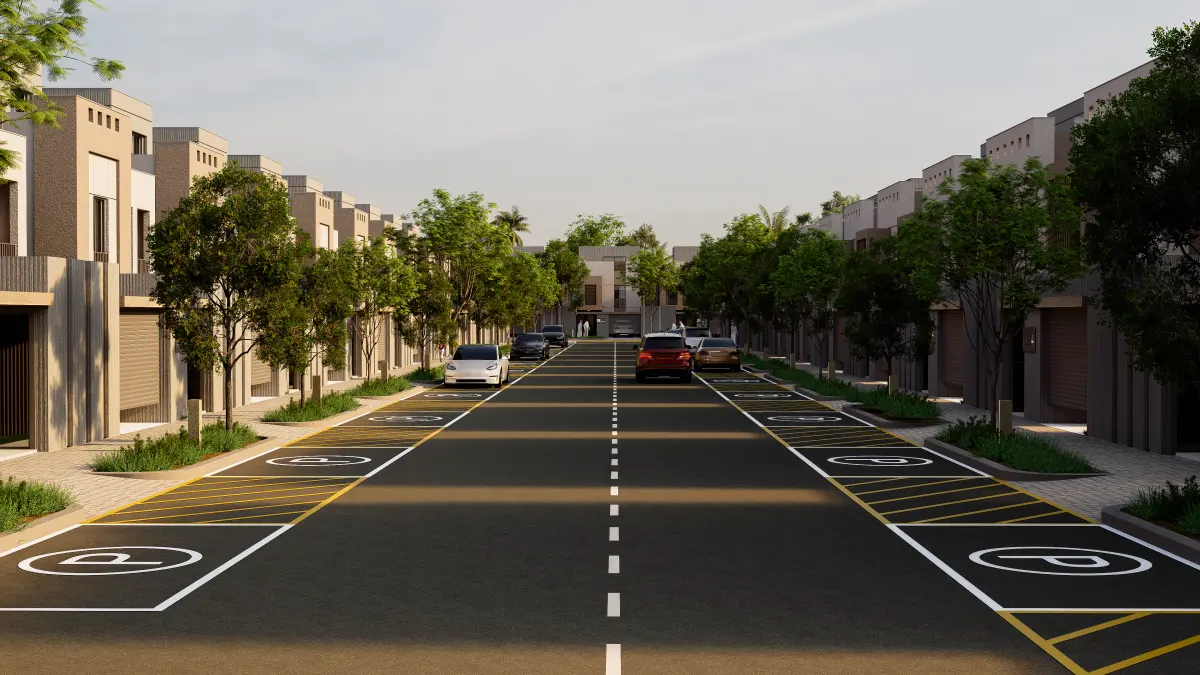
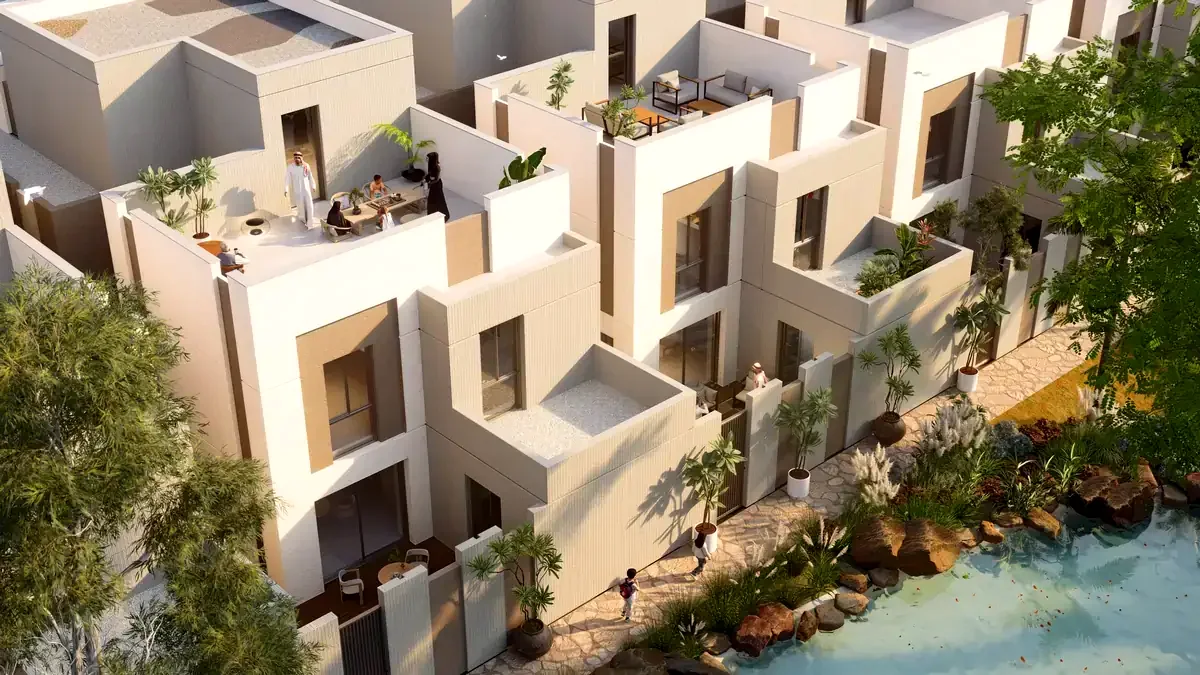
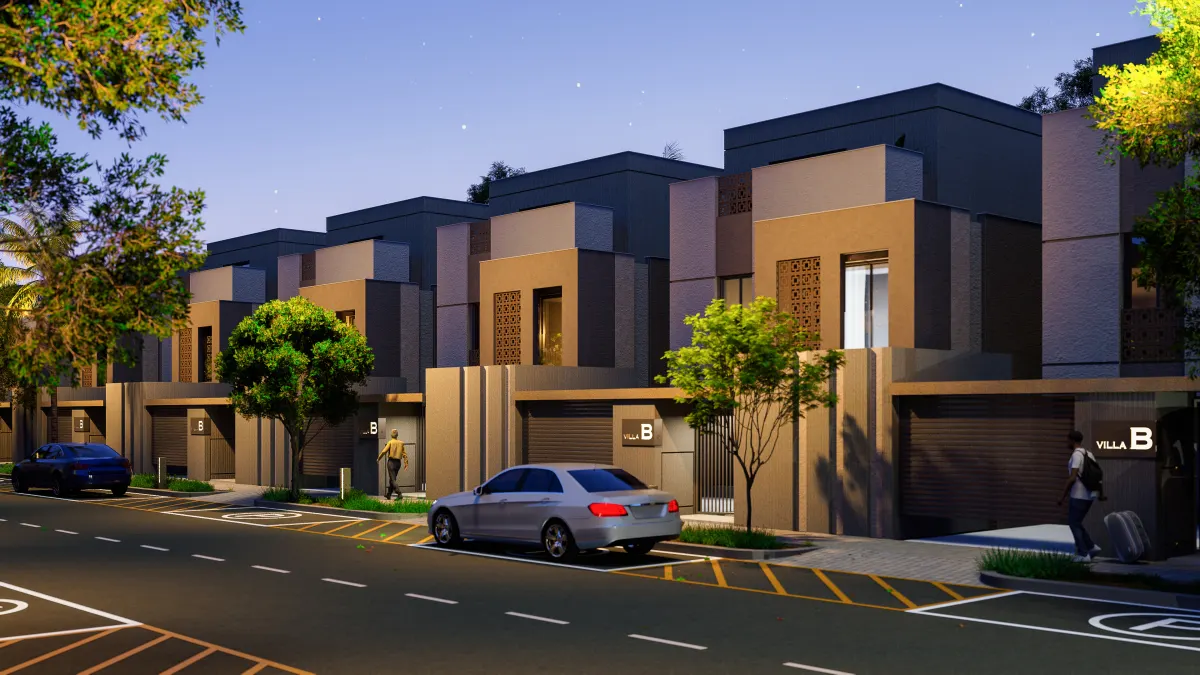
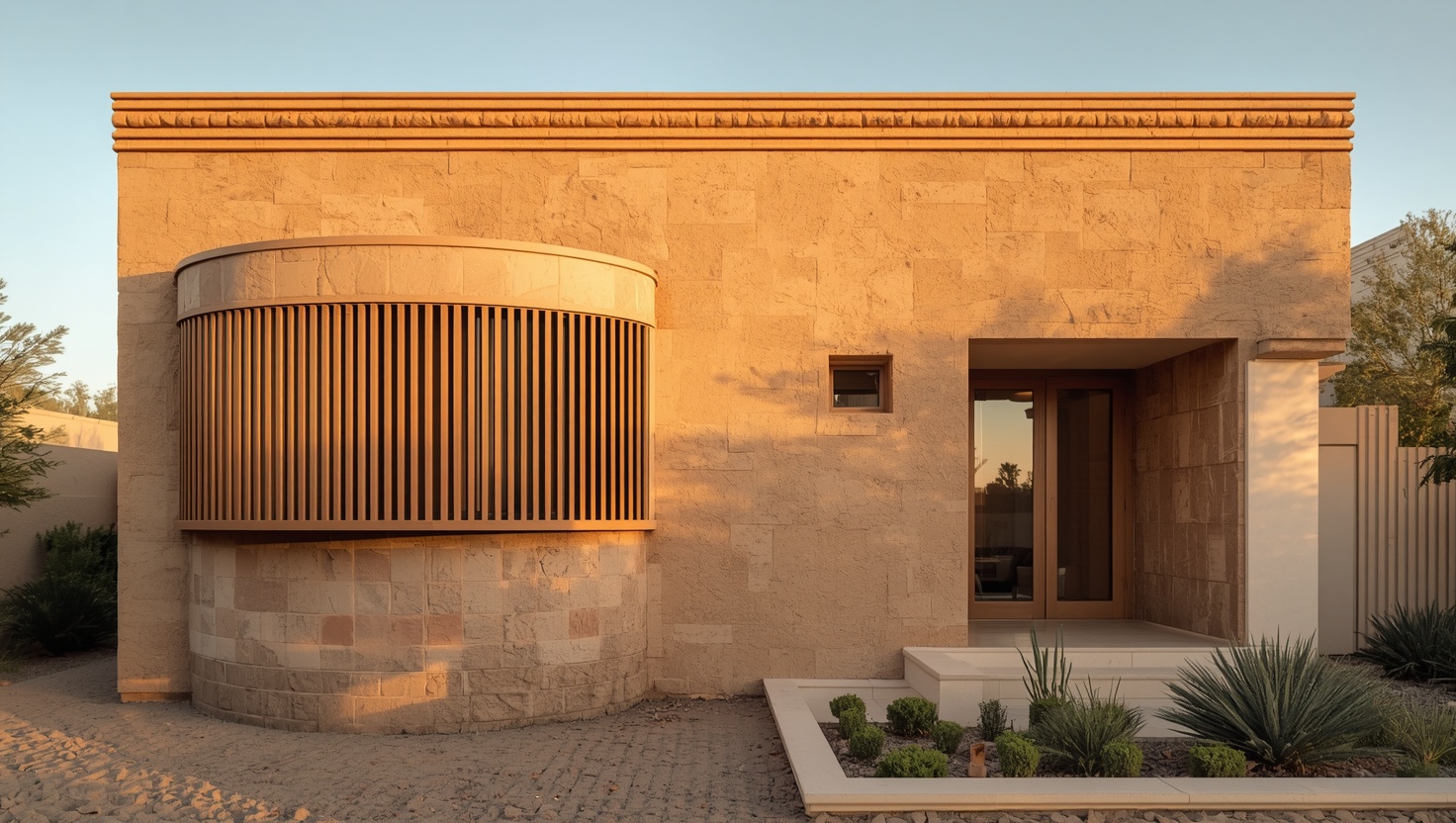
Sustainable housing development stands out as a significant component of Saudi Arabia's Vision 203 plan. This strategic plan aims to promote the necessary innovations and transformations in the country's housing sector. Within the framework of Vision 203, the adoption of sustainability principles aims to reduce environmental impacts and increase social benefits. In this regard, many factors such as energy efficiency, water conservation, and the use of local materials are taken into account in housing projects. For example, in projects like Hayat Makkah, environmentally friendly solutions are combined with modern interpretations of traditional Hijazi architecture.
Energy Efficiency and Use of Renewable Energy#
Energy efficiency is a fundamental principle in sustainable housing development. In new projects, the use of energy-saving systems and renewable energy sources is becoming increasingly common. For example, solar panels are preferred to meet the energy needs of projects. These systems not only reduce energy costs but also minimize environmental impact. Another method used to ensure energy efficiency is increasing the insulation levels of buildings. Buildings with high insulation values become more resilient to temperature fluctuations, thus reducing energy consumption.
- Providing energy independence with solar panels
- Energy savings with well-designed insulation systems
Water Management and Conservation#
Water resources are of vital importance, especially in Saudi Arabia, where arid climate conditions prevail. Sustainable housing projects include various solutions to ensure efficient water use. Rainwater harvesting systems, irrigation systems, and water-saving devices reduce water consumption in residences. These types of systems increase environmental awareness and reduce costs. The design of water management systems to be used in projects should be adapted to local climate conditions. This way, water waste is prevented, and sustainable water use is encouraged.
Use of Local Materials and Climate Compatibility#
The use of local materials is also of great importance in the sustainable housing development process. Materials sourced from local resources reduce transportation costs and minimize environmental impacts. Additionally, incorporating local architectural and cultural elements into projects strengthens social ties. For instance, in the Hayat Makkah project, characteristic elements of Hijazi architecture have been combined with modern construction techniques. This approach creates climate-compatible structures and reflects local culture. The use of local materials also enhances the sustainability of construction processes, thereby reducing environmental pollution.
In conclusion, sustainable housing development plays a significant role in line with the core principles of Vision 203. Elements such as energy efficiency, water management, and the use of local materials are critically important for reducing environmental impacts and increasing social benefits. The adoption of these principles not only meets the current housing needs but also builds a structure that can respond to the needs of future generations. Projects developed in accordance with sustainability principles contribute positively to the future of Saudi Arabia by enhancing social resilience and environmental awareness.
Innovative Solutions and Technologies in the Housing Sector#
The housing sector is undergoing a transformation with rapidly developing innovative solutions and technologies worldwide. Smart home systems and sustainable building designs are particularly coming to the forefront. This process not only ensures that buildings become more functional but also enhances energy efficiency and user comfort, thereby improving the quality of life. The integration of smart technologies offers homeowners remote access and control, making their daily lives even easier. On the other hand, considering environmental factors is becoming an important factor in the preference for housing projects.

Smart Home Systems#
Smart home systems ensure more efficient use of energy management, security, and comfort in residences. These systems allow users to optimize their energy consumption and control lighting and heating through smart devices. For example, with smart thermostats, homeowners can automatically turn off heating or cooling systems when they are not at home. This not only saves energy but also reduces environmental impact. One of the most significant advantages of such systems is that users can monitor the status of their homes in real-time via mobile applications.
- Energy management: Users can track and optimize their energy consumption.
- Security: The security of the home is enhanced with smart cameras and sensors.
Sustainable Building Designs#
Sustainability has become one of the most important parameters in today's housing projects. The use of natural materials and designs that ensure energy efficiency support the emergence of eco-friendly homes. For instance, passive house design minimizes the energy needs of homes, thereby reducing environmental impact. Such buildings are supported by innovative solutions like solar panels and rainwater harvesting systems. In this context, the increasing use of systems that save water is also noteworthy. These buildings, which consume significantly less energy compared to traditional methods, are observed to provide both economic and environmental benefits in the long term.
Modular and Prefabricated Buildings#
Modular and prefabricated buildings are among the innovative solutions that speed up the construction process and reduce costs. These structures are created by assembling pre-manufactured parts in the factory on-site. This approach significantly shortens construction times, allowing projects to be completed more quickly. Additionally, this application aims to minimize waste generation. Modular buildings can be adapted and expanded according to different needs due to their flexibility. Such structures play a crucial role in meeting the rapidly growing demand for housing.
Innovative solutions and technologies in the housing sector not only enhance the quality of living spaces but also make a significant contribution to minimizing environmental impacts. Solutions like smart home systems, sustainable designs, and modular buildings offer important advantages for both investors and users. In this regard, following developments in the sector and evaluating innovative projects will greatly contribute to meeting future housing needs.
Social Impacts of Housing Goals and Future Perspectives#
The housing goals set by Saudi Arabia within the framework of Vision 203 aim not only for economic development but also for social transformation. Housing projects elevate the living standards of families, increase social interactions, and contribute to the local economy. These projects lay the groundwork for significant changes at both individual and societal levels. For instance, the infrastructure improvements provided through housing projects facilitate access to transportation, education, and healthcare services, thereby enhancing the quality of life. In this context, projects like Hayat Makkah play a significant role both architecturally and socially.
Social Change and Social Infrastructure#
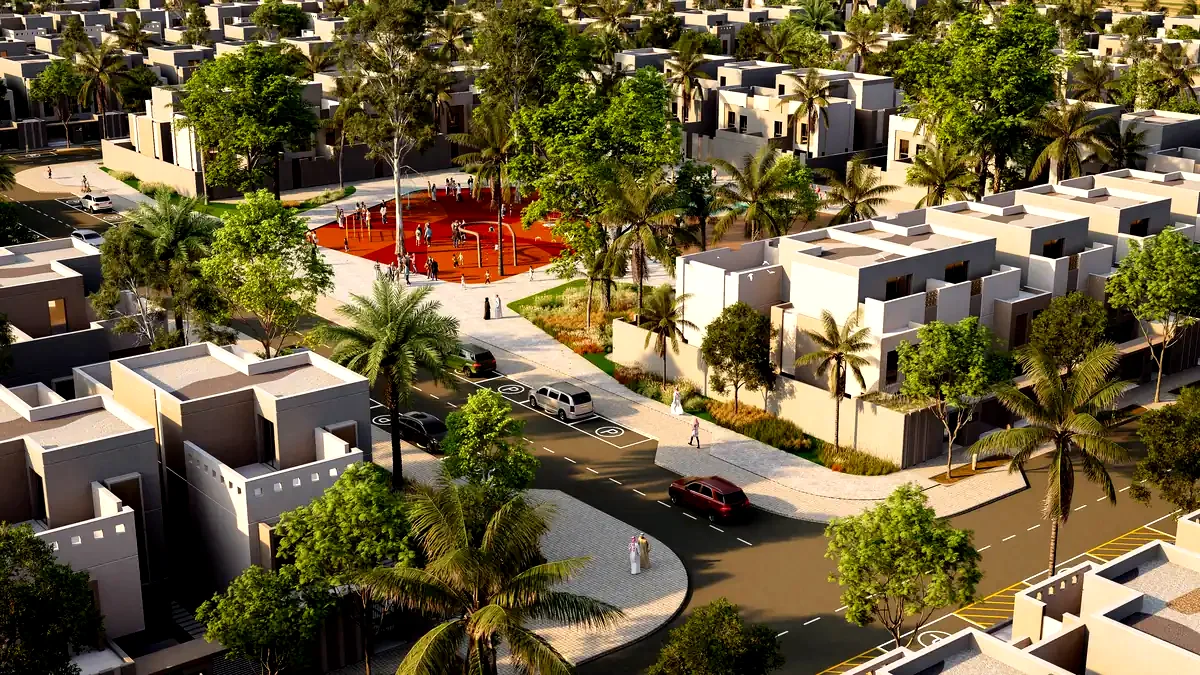
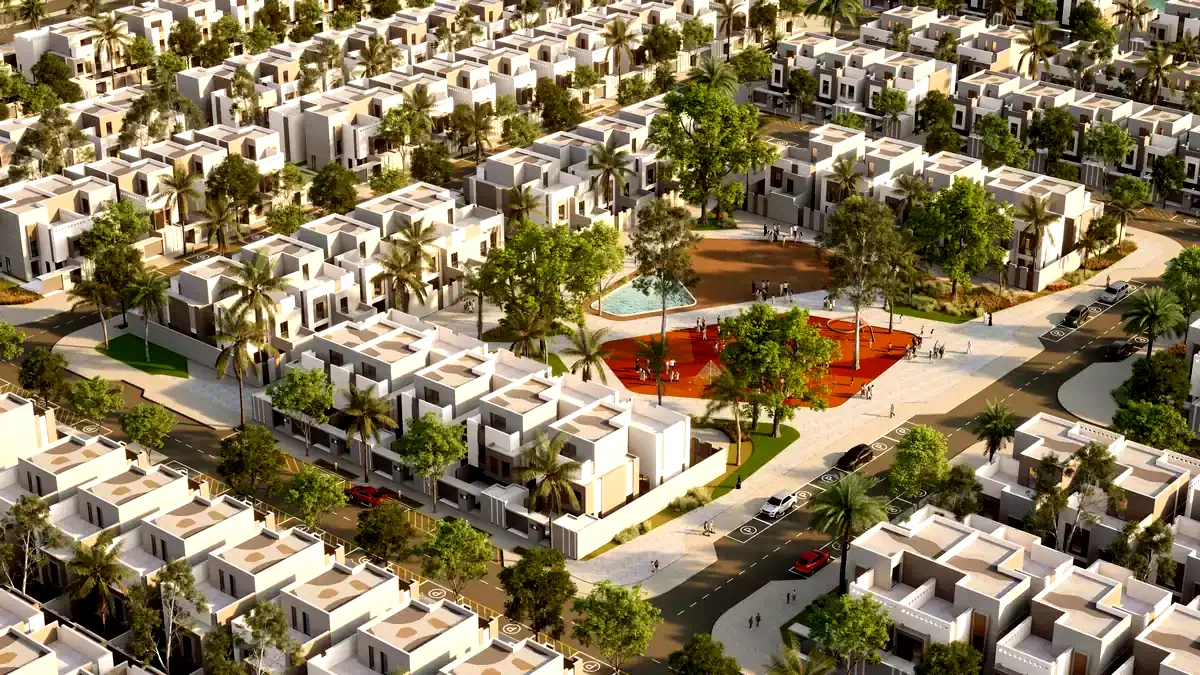
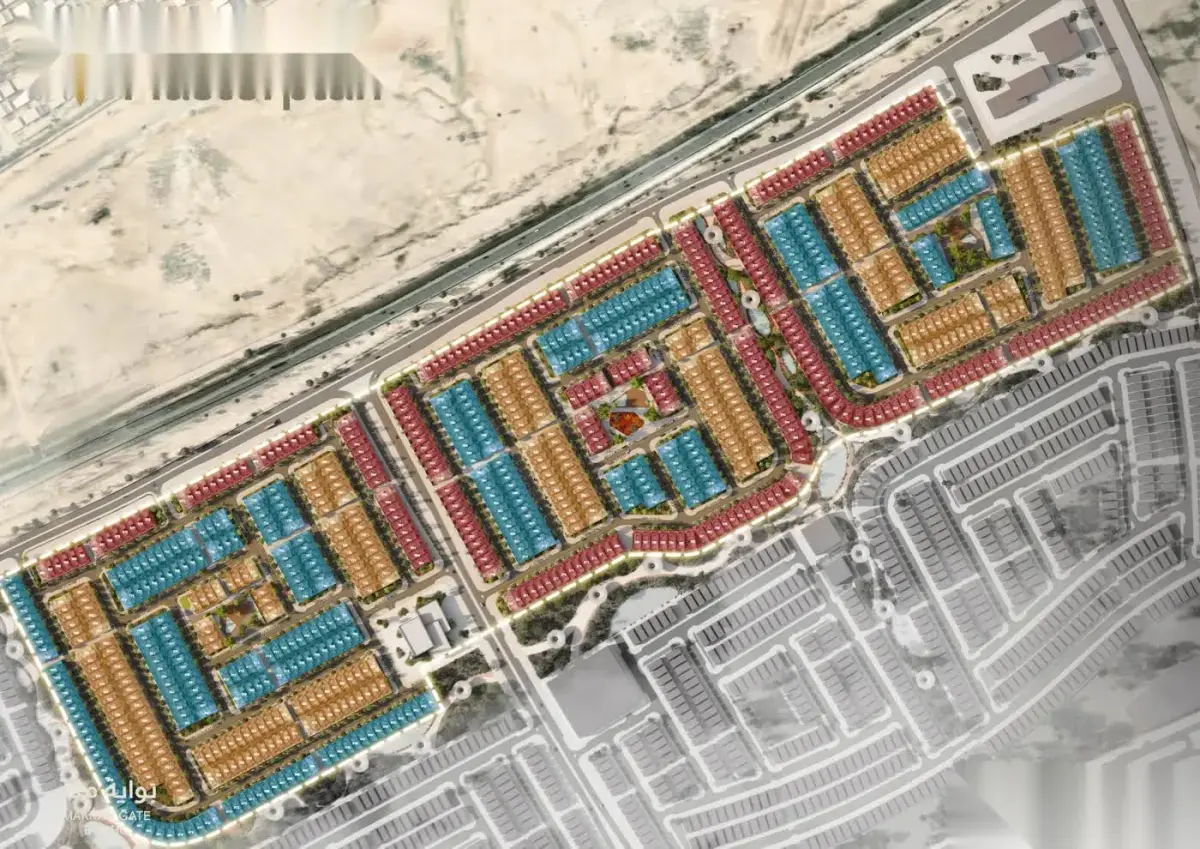
Housing projects are one of the most important elements supporting social change. New residential areas contribute to the strengthening of social infrastructure. The planning of areas such as social facilities, parks, and educational institutions is of great importance in these projects. For example, in the Hayat Makkah project, spacious open areas and social facilities provide spaces where families can come together and engage in social interactions. This situation helps strengthen social ties.
- Social activity areas: Necessary spaces are being created for the community to come together.
- Children's playgrounds: Play areas are designed to contribute to the physical and social development of the younger generation.
Employment and Economic Opportunities#
Housing projects create many employment opportunities during and after the construction phase. The realization of these projects supports economic development through the utilization of local labor. New housing offers job opportunities in both the construction and service sectors, which in turn revitalizes the regional economy. Additionally, the establishment of commercial areas around housing projects accelerates the development of local businesses and enhances the economic dynamics of the region.
Environmental Sustainability and Green Spaces#
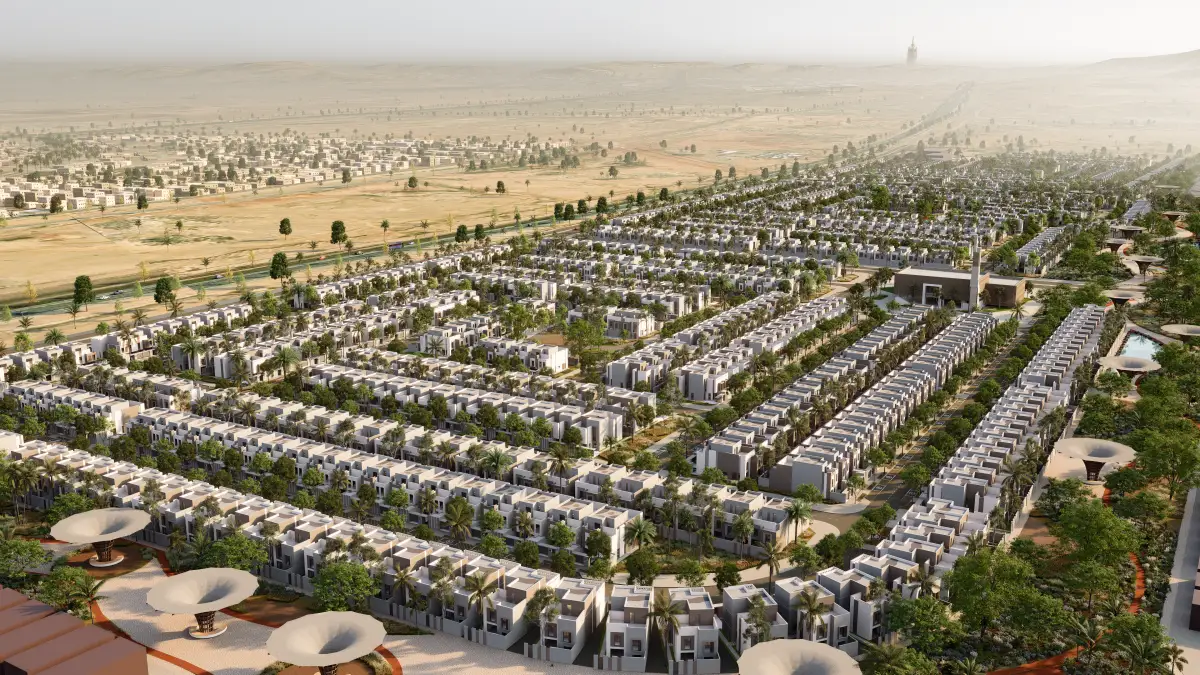
The future housing projects need to be evaluated in terms of environmental sustainability. When creating new residential areas, elements such as the use of eco-friendly materials and energy efficiency come to the forefront. In projects like Hayat Makkah, landscaped areas arranged with drought-resistant local plants and social spaces not only provide an aesthetic appearance but also preserve ecological balance. Such applications enhance the quality of life for individuals and support social awareness.
In summary, Saudi Arabia's housing goals profoundly affect social structure and economic conditions. Projects like Hayat Makkah not only provide comfortable living spaces but also support social interaction, economic opportunities, and environmental sustainability. The careful management of these processes is crucial for building a more livable and happy society in the future. Ultimately, housing goals are not just about construction but are also regarded as an opportunity for social and economic transformation.
Get Information About Hayat Makkah#
Get the latest information regarding villa types, community layout, and the purchasing process from the Hayat Makkah team:
- Phone: +966 13 518 1891
- Email: info@emlakkonut.sa
- Web: hayatmakkah.com