The Importance and Function of the Square in the Villa Community#
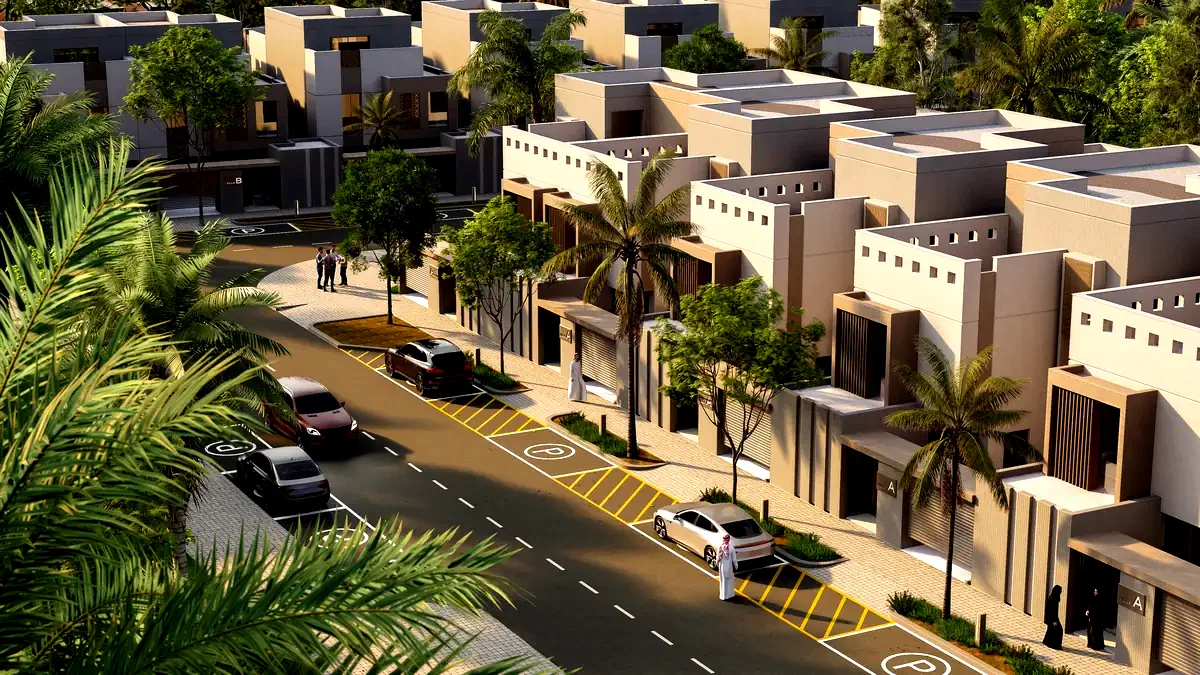
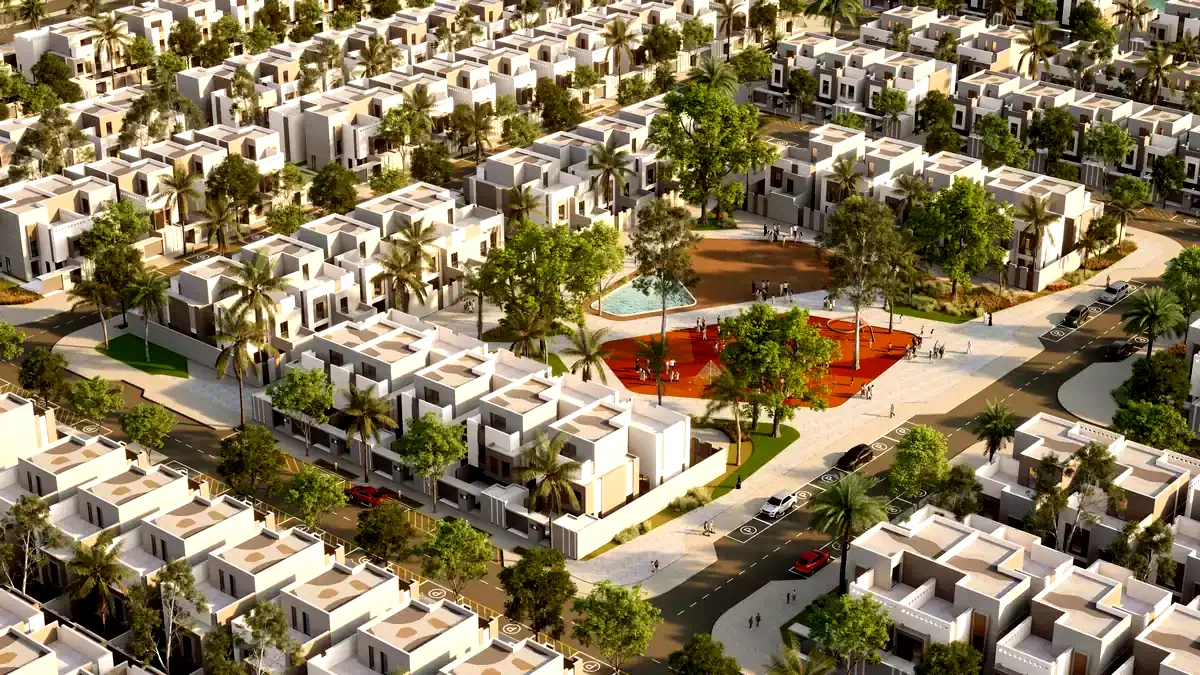
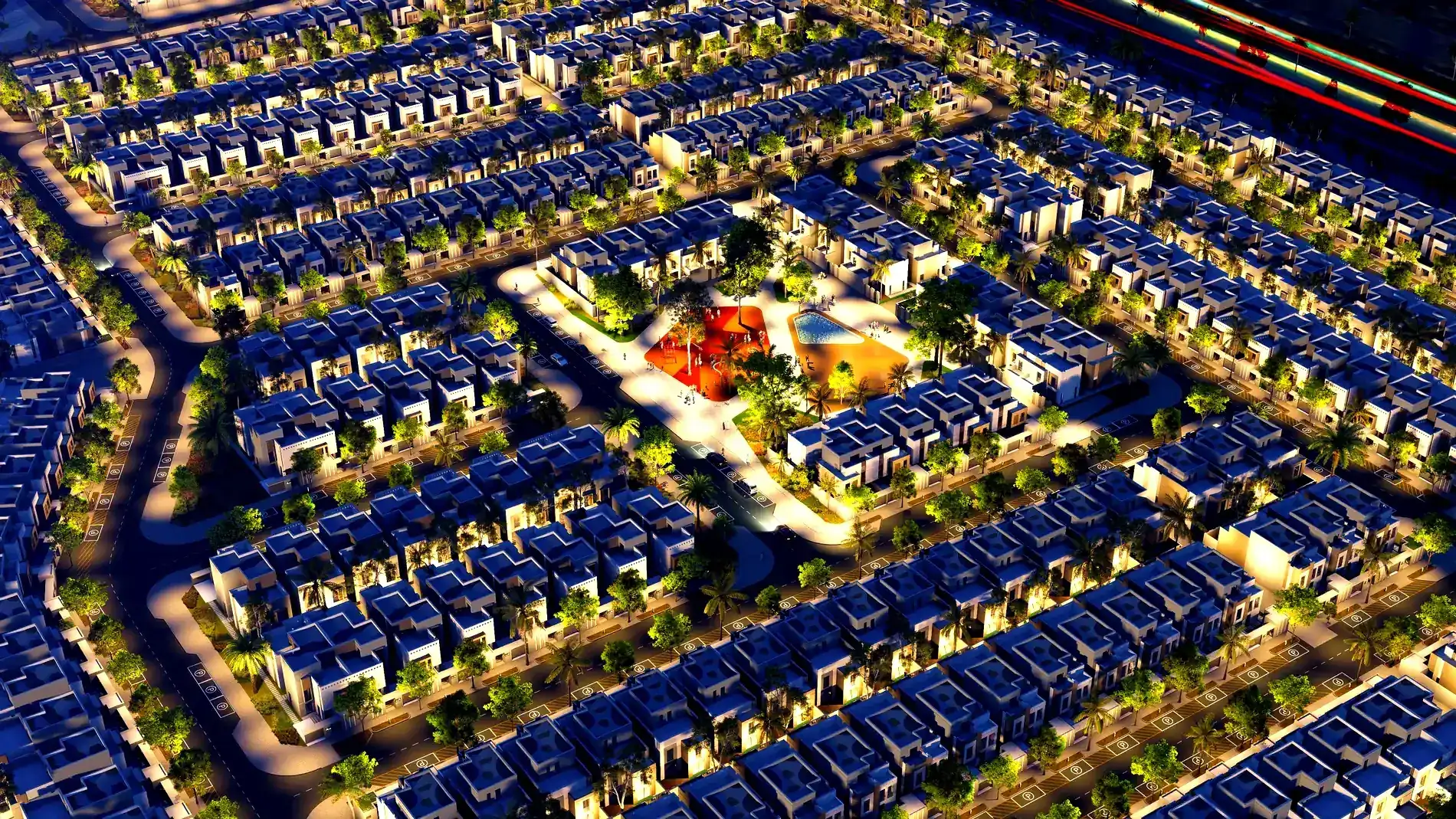
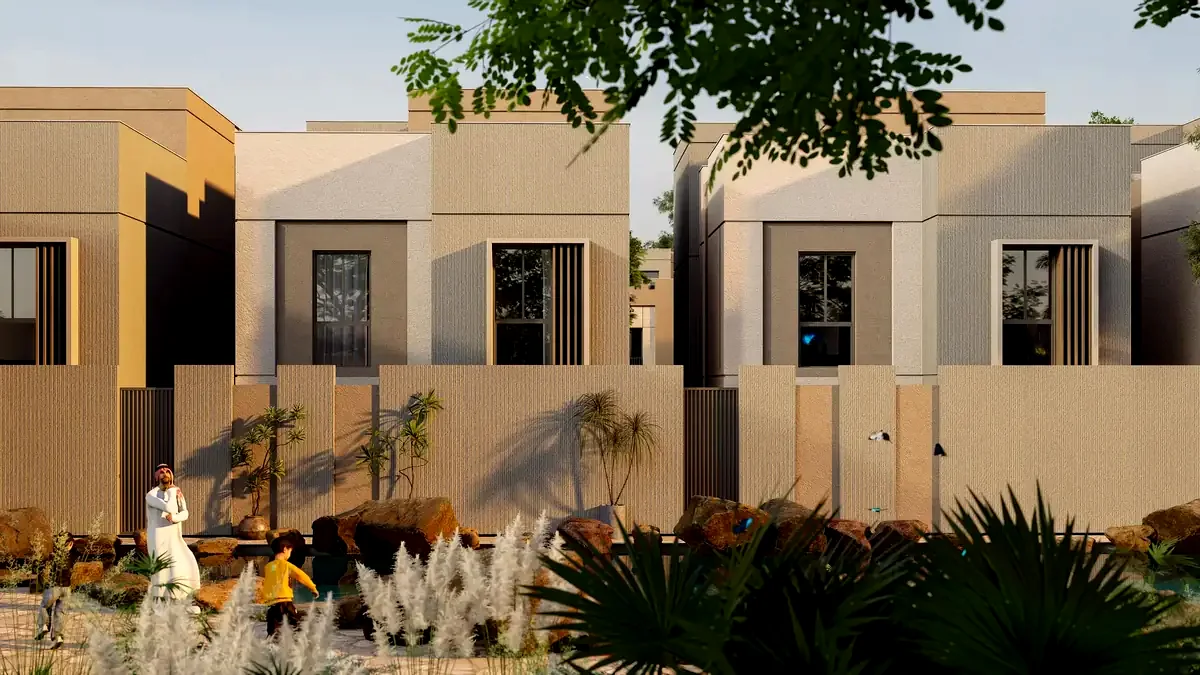
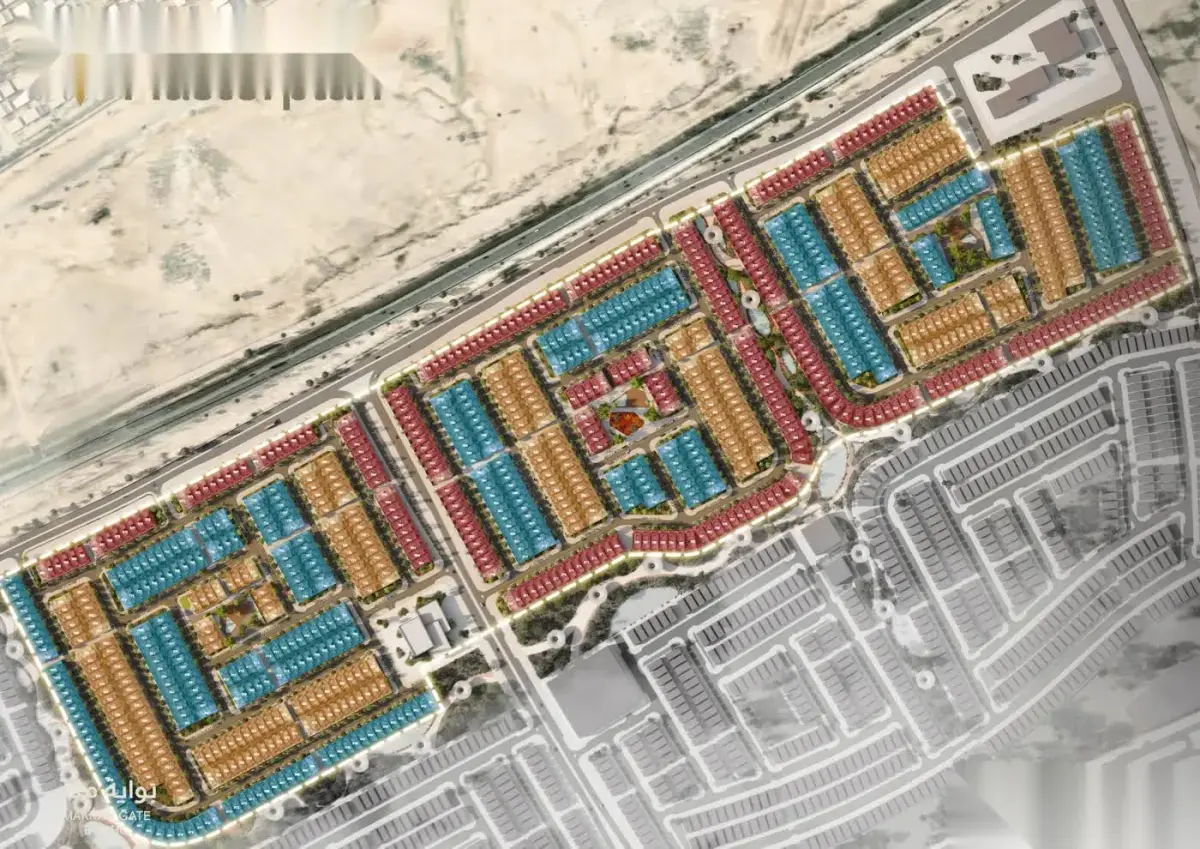
A square in a villa community is a critical element that forms the heart of social life. These areas enhance user interaction, strengthen social relationships, and support vital activities, making them the focal point of residential projects. Hayat Makkah aims to provide its residents with a social life through squares integrated into the design of the space. Squares are designed to serve as functional areas that can be used not only as meeting points but also for events, exhibitions, and various social activities. In this context, the functionality, aesthetics, and positioning of the square are crucial for the success of villa communities.
Quick Summary
- Squares play a central role in social life.
- Hayat Makkah combines aesthetics and functionality.
- The design of the square allows for social events.
The Role of the Square in Social Life#
Squares serve as a meeting point for a community. They provide ideal spaces for people to come together, interact, and strengthen their social ties. The squares in Hayat Makkah are also used for regularly organized social events, markets, or art exhibitions. Such events contribute to strengthening community bonds by increasing solidarity among residents. For example, through joint activities, people from different age groups come together, enriching the dynamics of social life and fostering a sense of community.
Considerations in Square and Mosque Design#
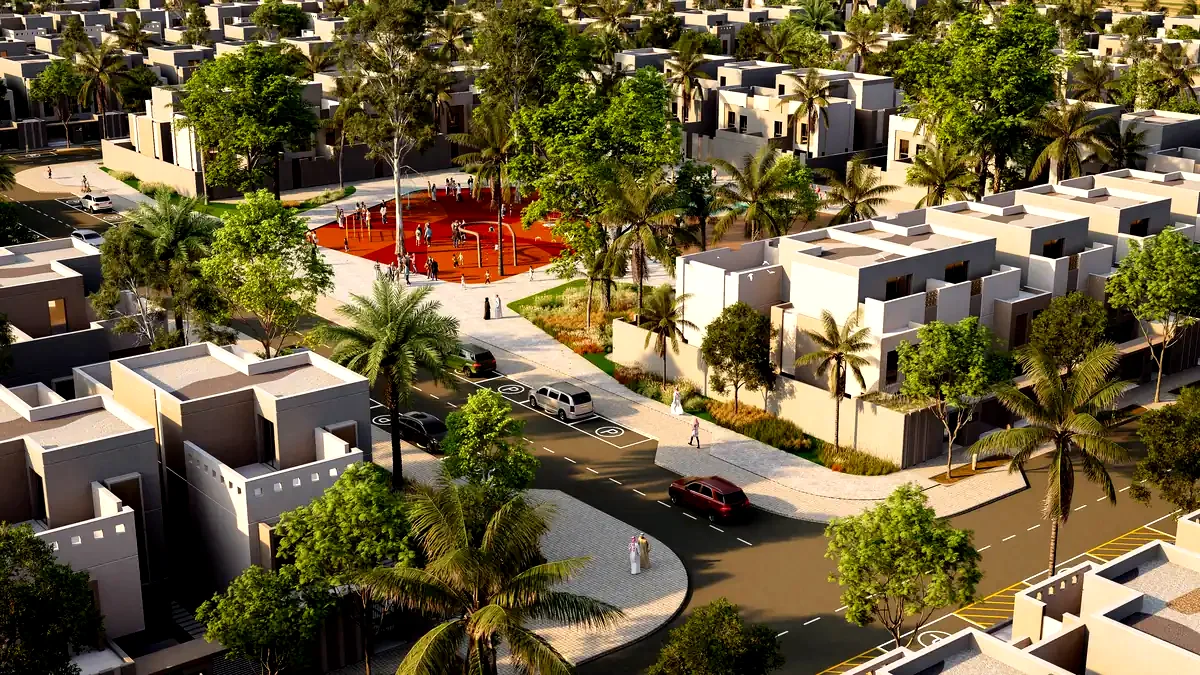
The design of the square should take into account specific criteria in terms of both aesthetics and functionality. In the Hayat Makkah project, the squares are supported by greenery and seating areas. These areas provide the necessary comfort for residents to relax and engage in social interactions. Additionally, the accessibility and visibility of the square play an important role in enhancing the quality of social life. For instance, squares located near main roads and residences provide easy access and allow social events to reach a larger audience.
Contributions of the Square to Social Interaction#
Squares function as areas that enhance social interaction. In Hayat Makkah, squares bring residents together through various social events and organizations, strengthening community relationships. For example, outdoor cinema events held in the summer or exhibitions of local artists allow residents to come together and enjoy pleasant moments. Such events help individuals expand their social circles and integrate more into the community.
Squares not only enhance social interaction but also provide safe spaces where families can spend time with their children. This encourages families to take an active role in social activities. Additionally, services such as children's playgrounds and relaxation areas increase families' motivation to use the square. Hayat Makkah aims to create a living space suitable for all age groups by considering elements that appeal to every family member when designing such social areas.
In conclusion, the importance of the square in the villa community is undeniable. As both a space for socialization and a place that enhances social interaction, squares play a critical role in the success of residential projects. Hayat Makkah aims to provide its residents with a social life by designing squares that meet the needs of modern living. This approach creates a balanced living space in terms of both aesthetics and functionality.
Elements to Consider in Mosque Design#
Mosque design is directly related not only to architectural aesthetics but also to social and religious needs. In a sacred city like Makkah, the functionality and design of mosques hold special importance in meeting the needs of worshippers and the community. Mosques should be designed as spaces for both individual and collective worship, organized in a way that enhances social interaction. In this context, there are many elements to consider in the architectural design of mosques. Among these elements, the size of the space, entrance arrangements, natural lighting, and acoustic features stand out. A successful mosque design contributes to enriching the spiritual experiences of worshippers by enhancing their comfort and tranquility.
Space Size and Functionality#
One of the first elements to consider in mosque design is the size of the space. Considering the crowd during worship, providing sufficient space is critical for individuals to worship comfortably. Excessive crowding can disrupt the peace of worshippers. The interior arrangement of mosques should be planned to facilitate visitor flow and community interaction. For example, a spacious interior allows different worship groups to be present together at the same time.
- Sufficient space should be adjusted according to the number of worshippers.
- The interior layout of the mosque should be planned to promote social interaction.
Entrance Arrangements and Accessibility#
The entrance arrangements of mosques are critical for worshippers to enter and exit easily. Creating separate entrances in mosques preserves the privacy of male and female worshippers and maintains social order. Additionally, ramps and wide doors should be designed to enable individuals with disabilities to enter and exit. Creating sufficient social space in the entrance areas allows people to interact before and after worship. This strengthens social bonds and enriches the worship experience.
Natural Lighting and Acoustic Features#
Natural lighting is an important element in enhancing the spiritual atmosphere of mosques. Large windows and open spaces allow sunlight to enter, creating a positive mood for worshippers. Acoustic features are another important factor to consider in mosque design. Using appropriate materials to provide sound insulation prevents disruptive echoes during worship. Acoustic solutions effectively manage sound distribution, enhancing the quality of collective worship.
These elements of mosque design are factors that directly affect the experience of worshippers. Every detail strengthens the spiritual and social function of the worship space by supporting social interaction. Therefore, the design of mosques should be shaped not only by architectural aesthetics but also by social needs. A high-quality mosque design, like those in Hayat Makkah projects, ensures that all these elements come together to create a communal living space.
Aesthetic and Functional Advantages of Square and Mosque Placement#
In the social life of Makkah, squares and mosques are not only places of worship but also central to social interaction. In projects like Hayat Makkah, the aesthetic and functional design of these areas is considered to enhance the quality of life for residents. While squares facilitate social interaction, mosques strengthen the sharing of faith and social bonds. A well-planned square combines visual aesthetics with functionality. Its capacity to host special events offers numerous advantages, such as fostering community awareness and enhancing residents' social lives.
The Social Role of Squares#
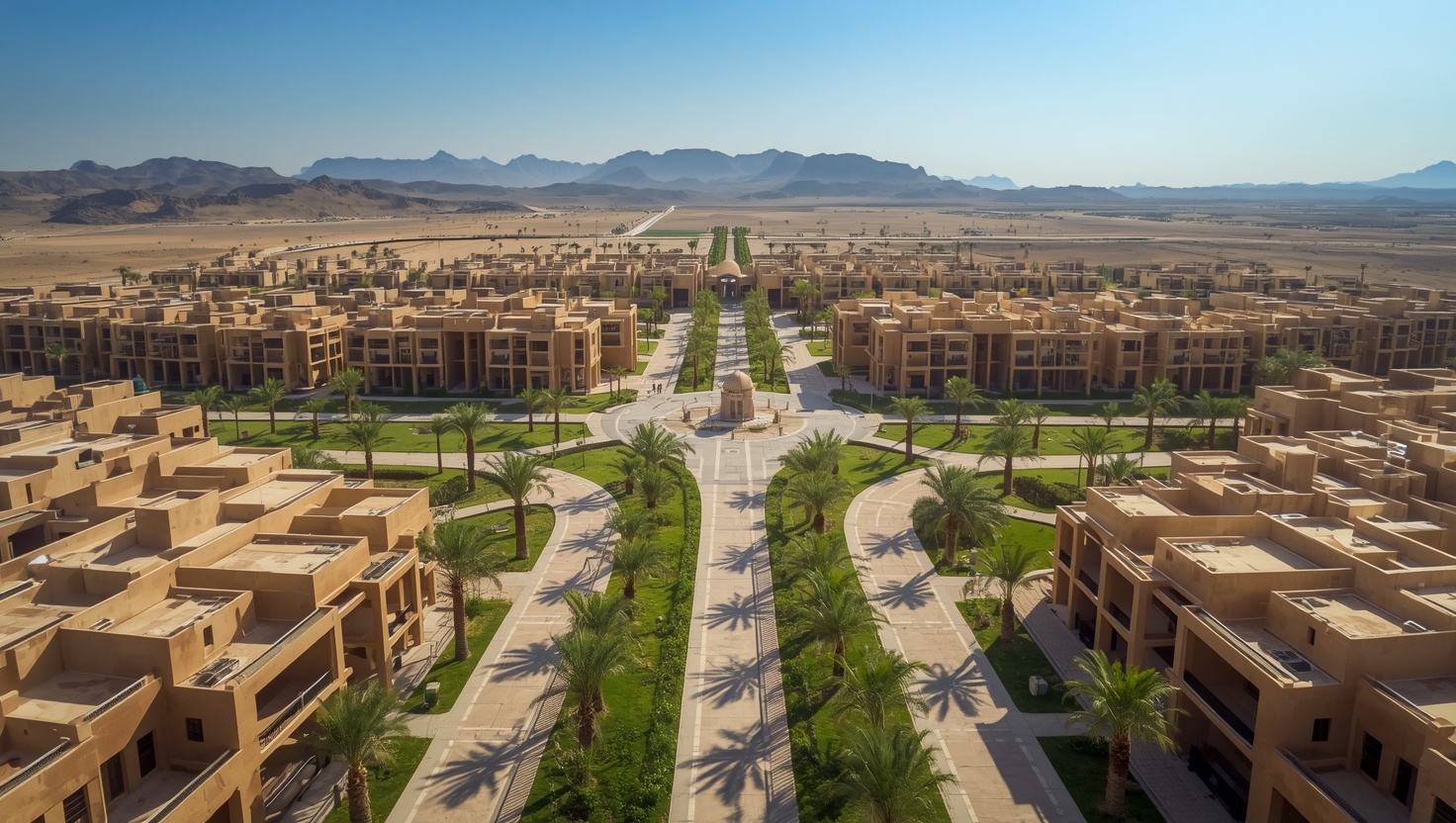
Squares are critical areas for social interaction. They are places where people gather to chat, organize events, or simply relax. The design of these areas should be suitable for outdoor activities. Spacious green areas and seating arrangements promote social interaction and strengthen the sense of community. For example, in Hayat Makkah, wide squares suitable for outdoor activities have been designed alongside seating areas of various sizes.
- Areas that can be organized for outdoor activities
- Aesthetic appearance with green landscaping elements
The Importance of Mosques in Placement#
Mosques are areas where religious worship is conducted and therefore should be strategically located within developments. The design of mosques should consider both ease of use and aesthetic factors. They need to be situated in accessible locations so that residents can comfortably perform their worship. In Hayat Makkah, the positioning of mosques in easily accessible points within the development enhances both functionality and the quality of social life.
Considerations in Square and Mosque Design#
Factors to consider in the design of squares and mosques include environmental factors alongside aesthetics and functionality. Structures that provide shade in hot climates are important for people to comfortably spend time. Additionally, buildings made with natural materials offer an aesthetically pleasing harmony with the environment. In this context, the Hayat Makkah project aims to create a sustainable living space while presenting an aesthetic appearance through the use of eco-friendly materials. A good design enhances user experience while combining aesthetics and functionality.
Squares and mosques are central areas of social life. When designed with good planning, they offer significant advantages in terms of both aesthetics and functionality. In projects like Hayat Makkah, the design of these areas is considered to enhance the quality of life for residents. Aesthetically and functionally designed squares and mosques deepen residents' social lives while increasing social interaction. Therefore, these elements must be taken into account in projects.
Development of Social Interaction and Social Spaces#
The development of social interaction and social spaces plays a critical role in the success of a settlement project. Areas where people come together, establish social relationships, and develop a sense of community are not just physical spaces, but also define a lifestyle. Hayat Makkah aims to create a strong community by providing arrangements that encourage social interaction among its residents. In this section, we will examine the importance of social spaces, their effects on social interaction, and the factors that need to be considered in this process.
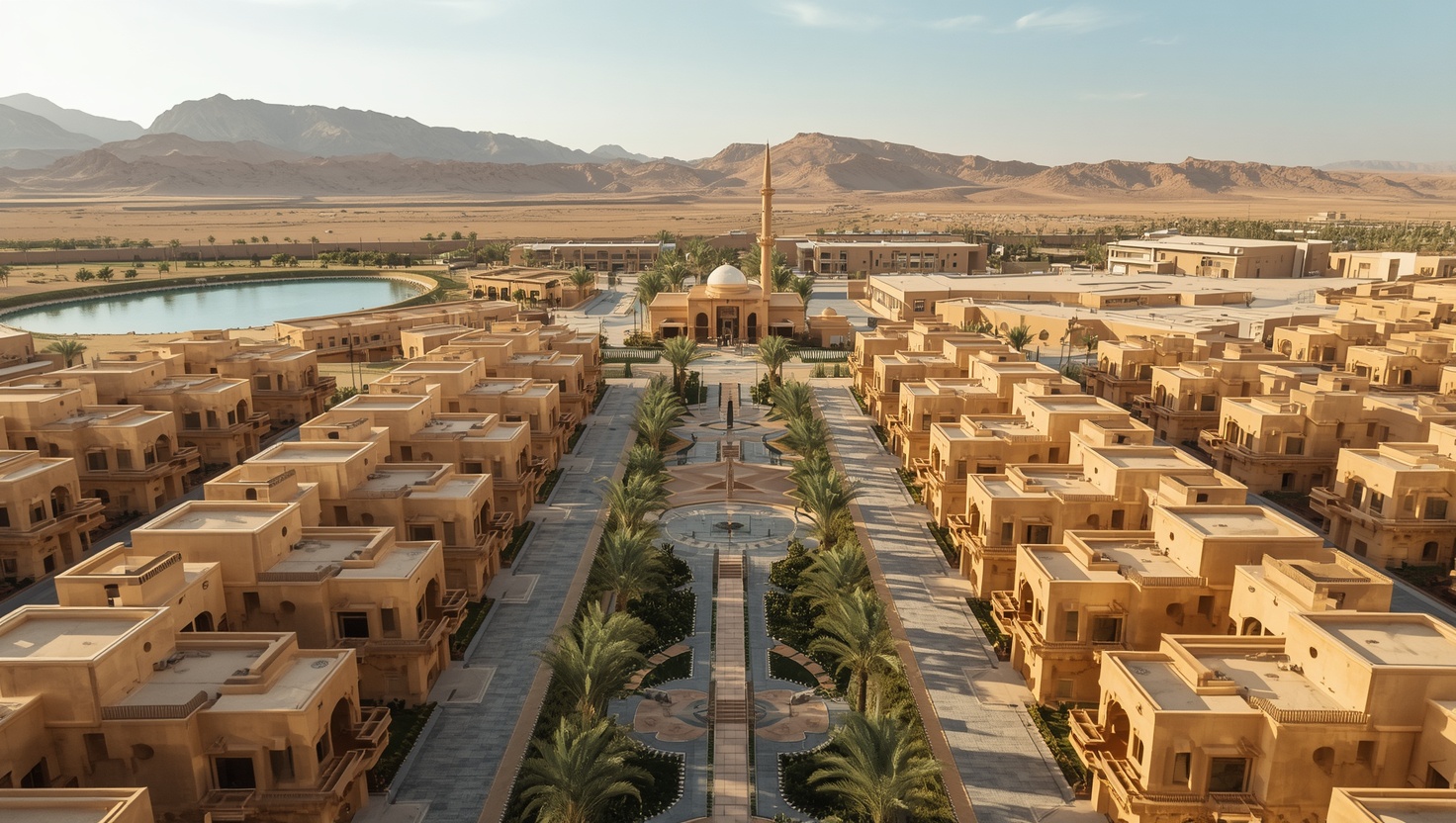
The Role and Design of Squares#
Squares are among the areas where social interaction occurs most intensively. The squares located in Hayat Makkah are designed to bring residents together and promote social interaction. These areas are equipped with functions such as organizing outdoor events, housing children's play areas, and creating relaxation spaces. The design incorporates natural landscape elements, with social spaces enriched by water features and shaded areas, providing both physical and psychological relaxation.
- Children's play areas encourage families to come together.
- Relaxation areas offer significant opportunities for social interaction.
The Place of the Mosque in Social Life#
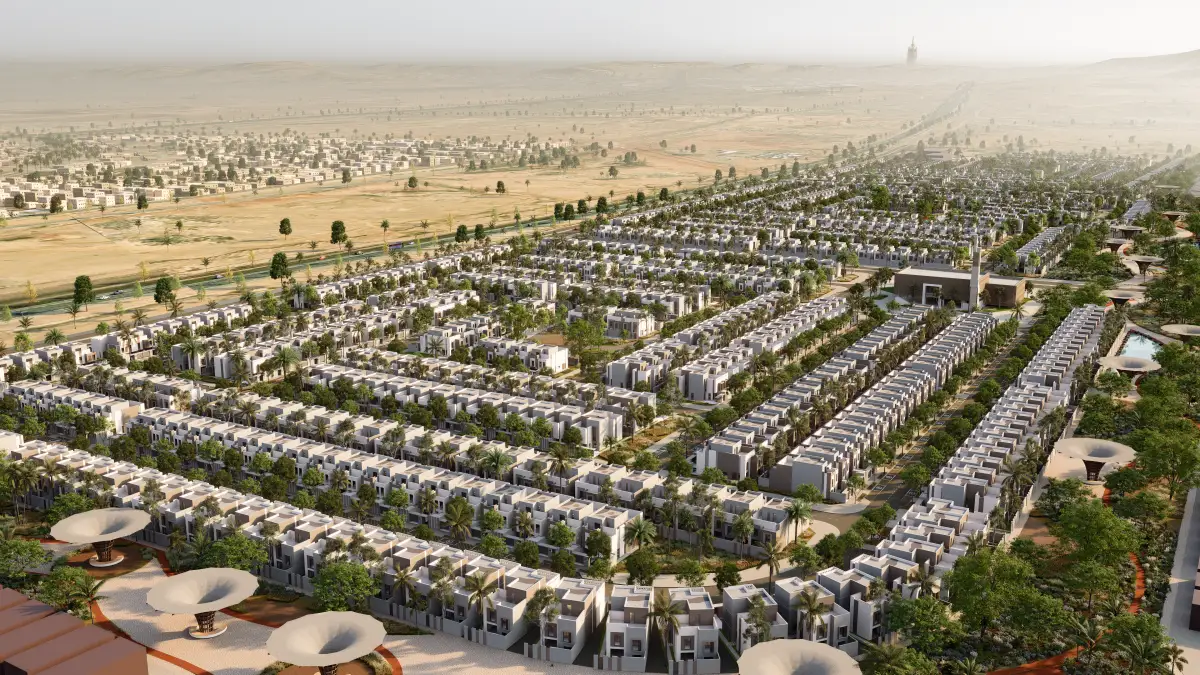
The mosque holds an important place in social interaction. In Hayat Makkah, the mosque is positioned at the center of social living spaces. This means that residents can strengthen their social relationships while fulfilling their religious duties. The mosque is not only a place of worship but also a venue for community gatherings, events, and conversations. Planning mosques in this way contributes to strengthening social ties and developing a sense of community.
Architectural Elements Supporting Social Interaction#
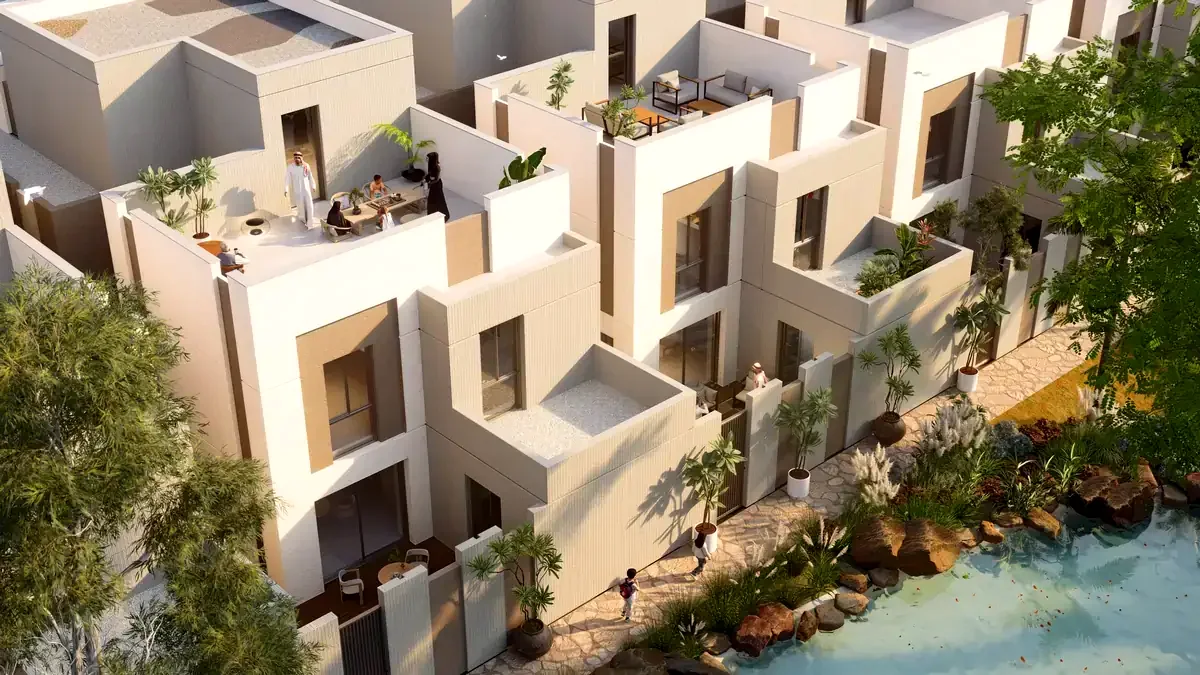
Architectural design directly affects the functionality of social spaces. In Hayat Makkah, notable elements in the design of social spaces include open terraces, shaded areas, and side garden arrangements. These elements allow residents to interact with one another while also preserving family privacy. For instance, the side garden arrangement fosters more intimate relationships with neighbors, contributing to the strengthening of social ties.
In conclusion, enhancing social interaction and designing social spaces are of great importance in the success of projects like Hayat Makkah. Social spaces not only improve the quality of life for individuals but also help develop a sense of community. Therefore, effectively designing and utilizing social spaces will be beneficial for both individuals and the community. With this perspective, Hayat Makkah aims to provide its residents with a quality life.
Get Information About Hayat Makkah#
Get the latest information regarding villa types, community layout, and the purchasing process from the Hayat Makkah team:
- Phone: +966 13 518 1891
- Email: info@emlakkonut.sa
- Web: hayatmakkah.com