The Importance of Mosque and Square Usage#
Mosques and squares are at the heart of a community's social and cultural life. In the Hayat Makkah community, the effective use of these elements is of great importance for enriching the daily lives of residents and strengthening community relationships. Mosques serve not only as places where religious practices are carried out but also as social gathering points where people come together. Squares provide open spaces for events and social interactions. This section will discuss how the use of mosques and squares is made functional within the community and its impact on social relationships.
Quick Summary
- Mosques are places for religious and social gatherings.
- Squares allow for the organization of social events.
- Hayat Makkah strengthens community relationships by effectively utilizing these elements.
Considerations in Mosque Design#
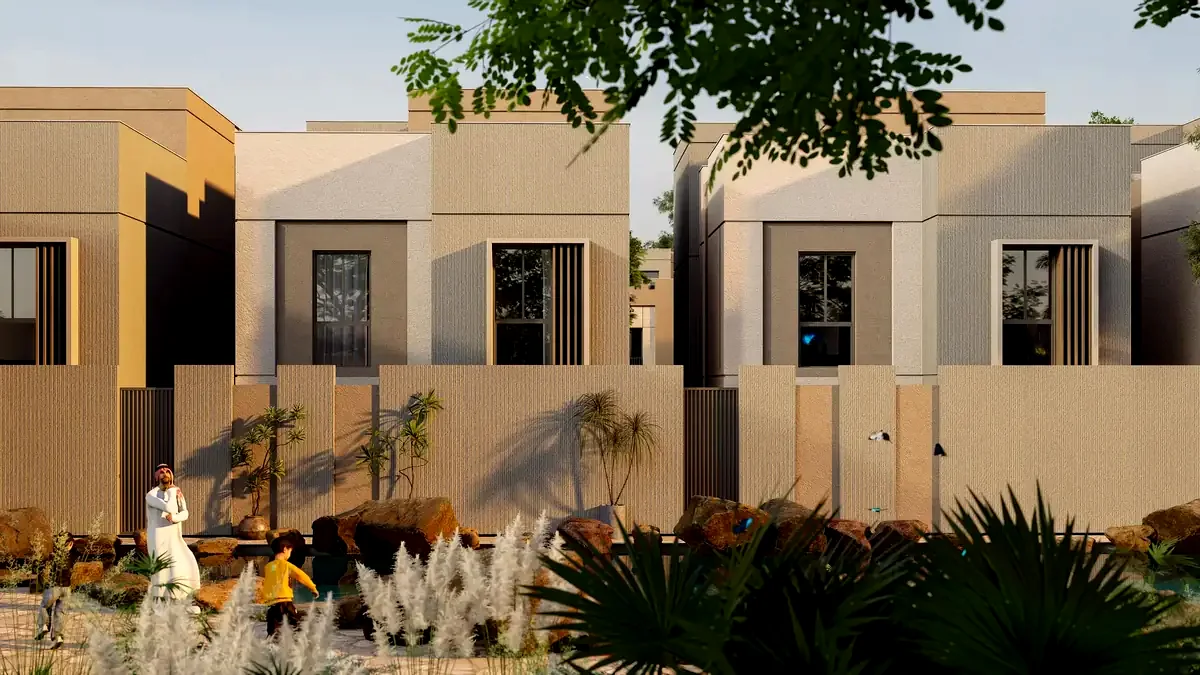
The design of mosques should not only fulfill religious functions but also be organized in a way that enhances social interaction. In Hayat Makkah, mosques offer functional spaces by combining traditional architectural elements with modern design. These spaces should be considered not only as structures where the congregation can come together for worship but also as areas that increase social interactions. For example, creating relaxation areas or small gardens around mosques is an important detail that allows visitors to comfortably rest after worship.
- Providing good acoustic arrangements;
- Spacious and airy interior designs;
- Energy savings through natural lighting.
The Impact of Squares on Social Life#
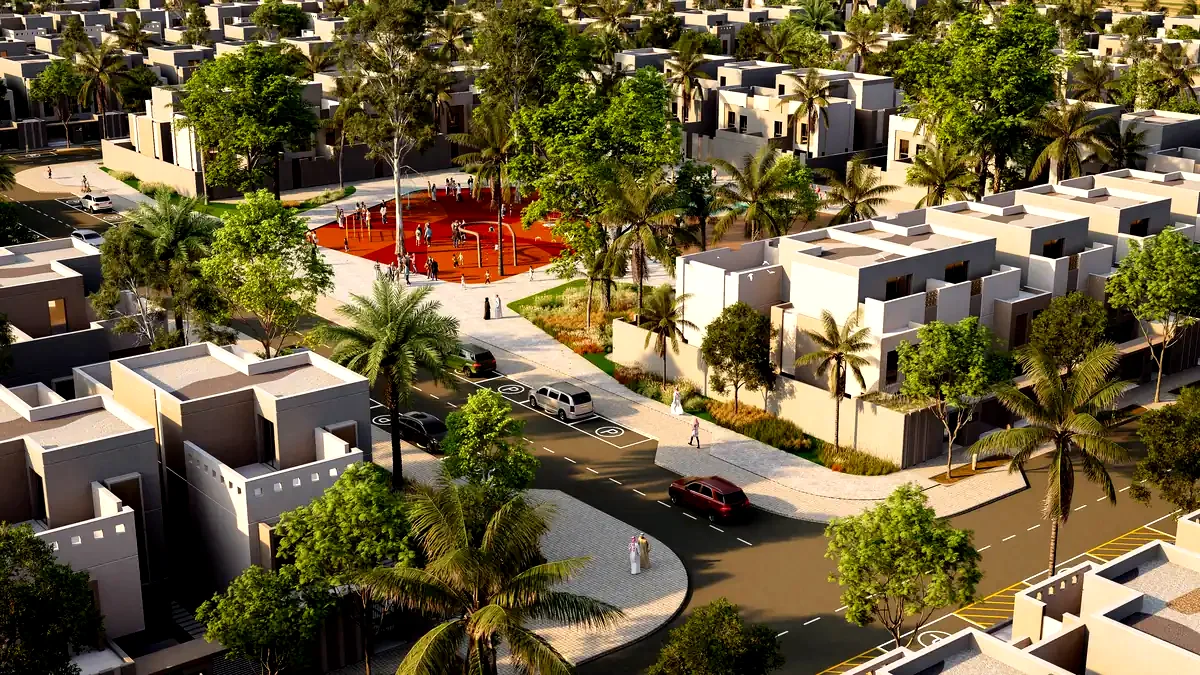
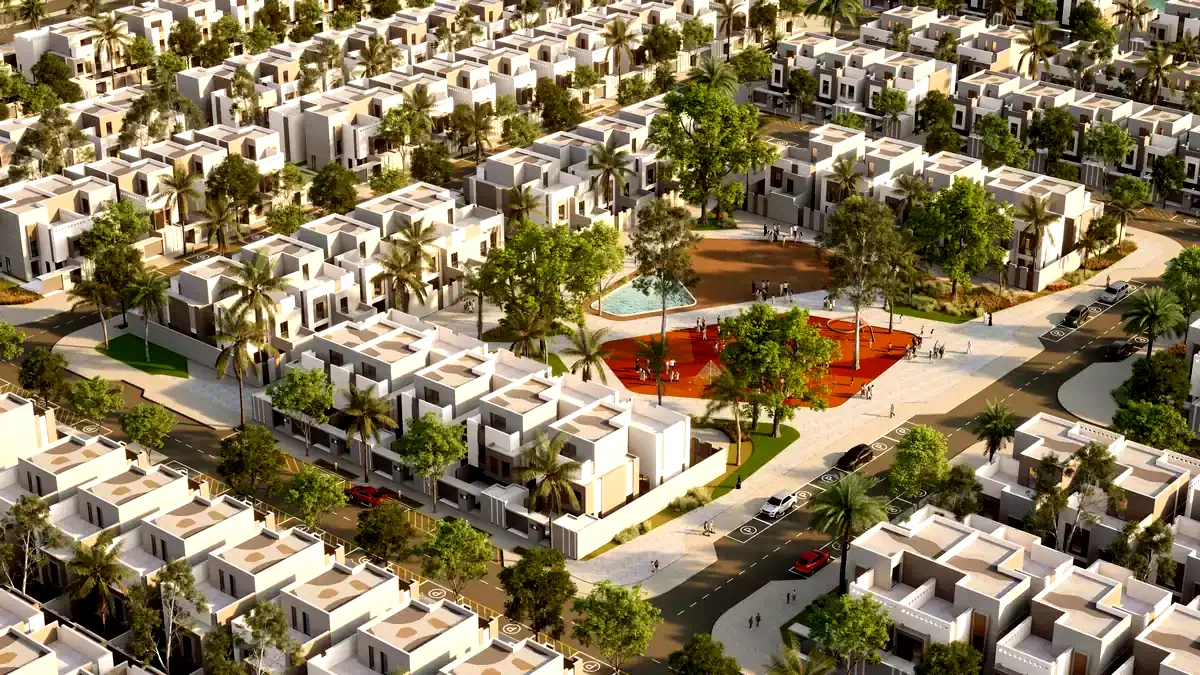
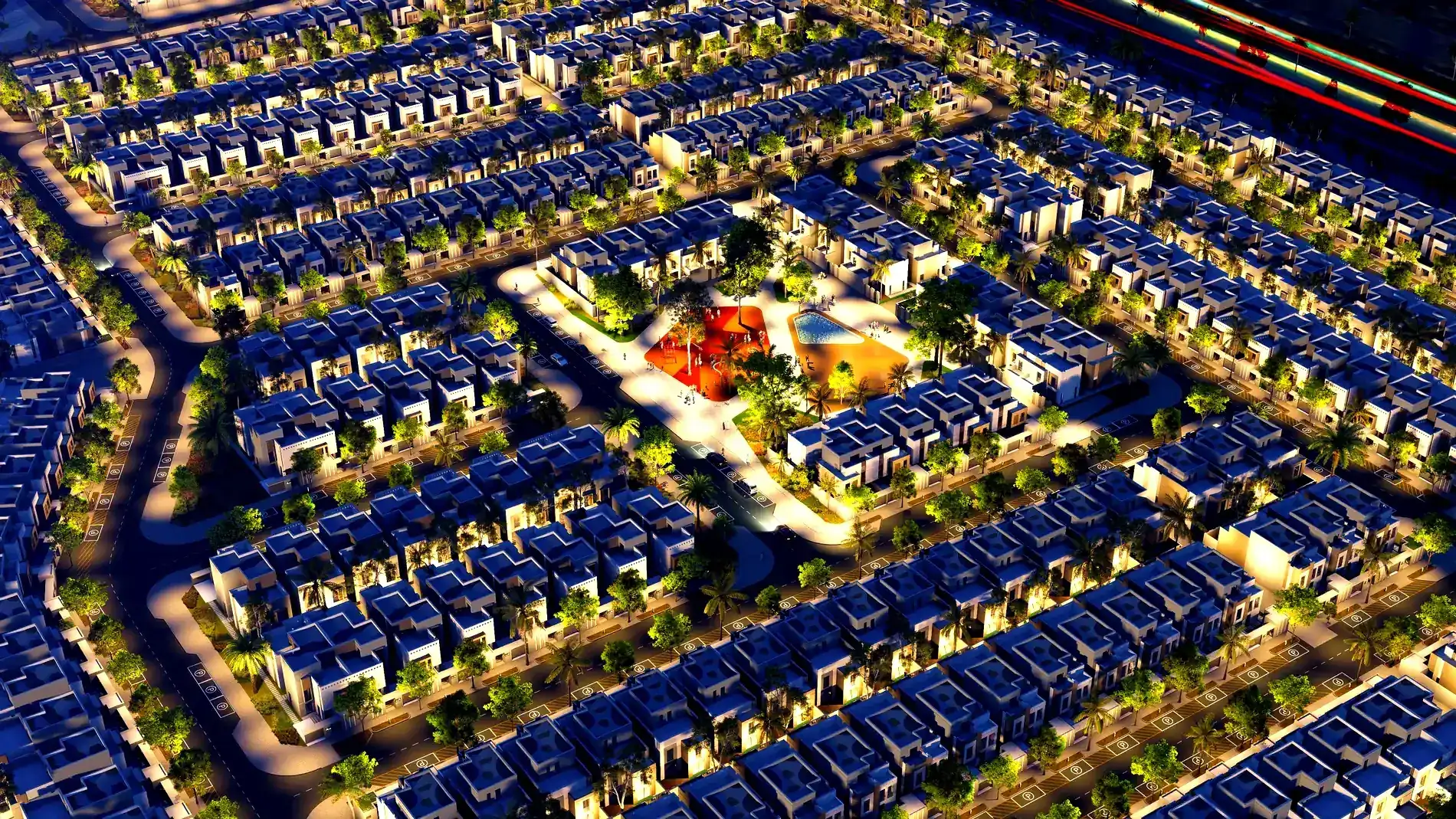
Squares play an important role in the social life of the community. The squares in Hayat Makkah are considered ideal spaces for organizing various events. These squares are designed as places where residents can come together to participate in activities, where children can play, and where families can engage in social activities. Additionally, cultural events held in the squares help residents communicate better with each other. For instance, local festivals or cultural exhibitions facilitate gatherings and foster a sense of belonging within the community.
The Potential of Mosques and Squares to Enhance Community Relationships#
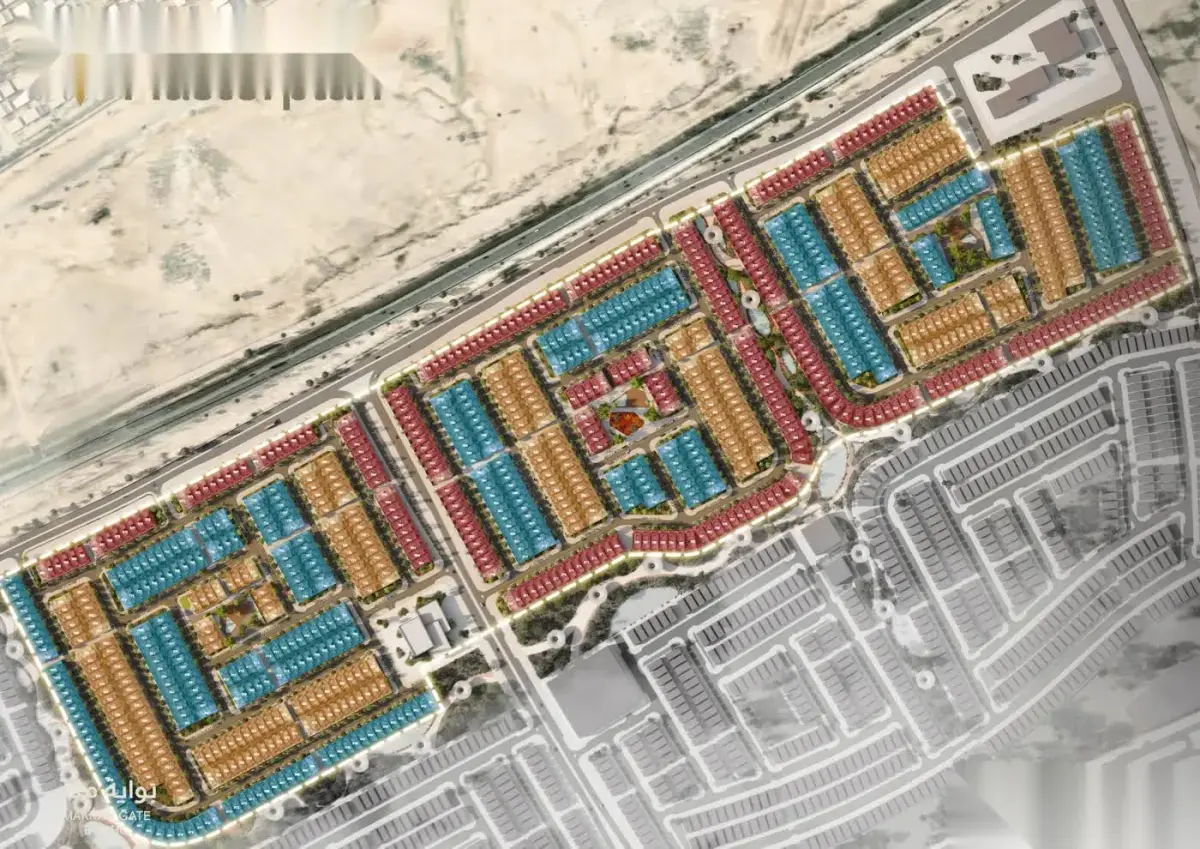
The use of mosques and squares within the community contributes to strengthening community relationships. In Hayat Makkah, mosques and squares allow people to get to know each other and interact. These areas should be designed as places where neighbors can come together to chat, participate in events, and spend time together. Such social interactions strengthen community solidarity and create a sense of brotherhood within the community. For example, organized iftar invitations or holiday events enhance community relationships through mosques and squares.
In conclusion, mosques and squares are not just physical spaces in communities like Hayat Makkah; they are also centers of social life and community relationships. The effective use of these areas enhances the quality of life for residents while strengthening community ties. Thoughtful planning regarding mosque design and the functionality of squares paves the way for social interactions and creates a more peaceful living environment. Hayat Makkah aims to provide its residents with a rich life both religiously and socially by considering these elements.
Design and Placement of Mosques within the Community#
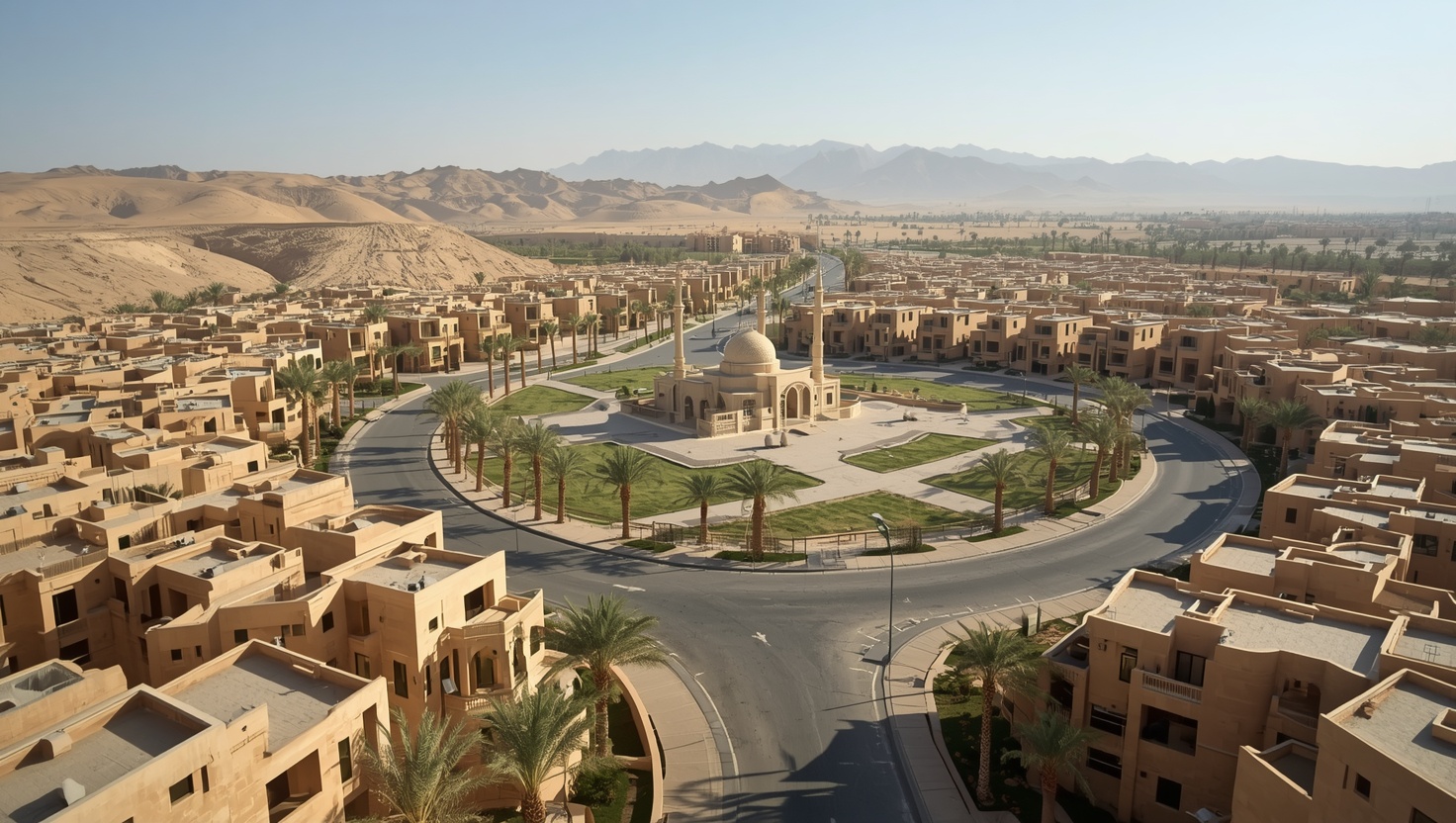
The mosques within the community play significant roles as both religious and social centers. The design of the mosques should be in harmony with the overall architectural structure of the community and the needs of the residents. There are many factors to consider in this design process; among these are the size of the area, environmental conditions, and community dynamics. Additionally, the architectural elements of the mosques are an integral part of this design. The aim is for mosques to function not only as places of worship but also as spaces that support social interaction and community formation. Therefore, the design of mosques within the community should blend modern needs with traditional elements.
Architectural Features of Mosques#
One of the most important aspects to consider in the design of mosques is the functionality of the space. Having an open and spacious structure can provide users with a sense of peace during worship. Furthermore, increasing the use of natural light can help create a bright and warm atmosphere inside the space. In addition, the acoustic properties of the space should also be taken into account; materials that minimize sound insulation and echoes should be used. The interior layout of the mosques should be designed to support different forms of worship. For example, separate sections can be created to arrange different spaces for men and women during worship.
- Creating flexible spaces to support different forms of worship
- Using large glass surfaces that provide natural light
Open Space and Landscape Arrangement#
The arrangement of open spaces surrounding the mosques plays a critical role in bringing users together and facilitating social interaction. Landscape design should be enriched with green areas, resting points, and children's play areas. These spaces allow for social events where families and communities can gather. Additionally, such arrangements can increase the number of users of the mosques and strengthen the social fabric of the community. The selection of local plants in landscape design is important for environmental sustainability and can also reduce maintenance costs.
Social Interaction and the Role of Mosques#
It is essential for mosques to serve not only as places of worship but also as areas for social interaction. Events, seminars, and community meetings organized in mosques help residents come together and strengthen social ties. It is important to consider spaces that will allow for such activities in the design of mosques. Furthermore, positioning mosques at a central point in the community can enhance accessibility and positively influence the frequency of these social events. Creating a flexible structure according to the needs of users increases the functionality of the mosques.
In conclusion, the design and placement of mosques within the community is not only a religious necessity but also a part of social life. The architectural features of mosques, open space arrangements, and roles in social interaction should be taken into account to enhance the functionality and user satisfaction of these structures. A good design prepares a suitable ground not only for worship but also for social interaction and community formation. In this process, considering traditional values alongside modern architectural elements will yield a rich result in terms of both aesthetics and functionality.
The Role of Squares in Social Interaction#
Squares hold great importance as areas of social interaction, especially in settlement projects. These areas facilitate individuals coming together to communicate, develop social relationships, and engage in cultural activities. In a densely populated and dynamic city like Makkah, squares are not only aesthetic structures but also elements that form the heart of social life. In projects like Hayat Makkah, the design and use of squares are carefully planned to enhance residents' social interactions. In this context, the functionality of squares, the elements to be considered in their design, and the event planning processes of community residents will be addressed.
Functionality of Squares#
Squares have a multifaceted functionality that enhances social interaction. These areas provide a suitable ground for communities to come together, organize events, and become a part of daily life. For example, when outdoor activities, markets, or cultural festivals are held in squares, participation increases. Additionally, the aesthetic and comfort provided by appropriate furniture, lighting, and landscaping in the design of squares encourages people to spend more time in these areas.
- Creating a suitable environment for community events
- Hosting outdoor arts and exhibitions
Elements to Consider in Design#
The design of squares is not limited to the arrangement of the physical space. It is important to bring together elements that allow people to interact. For instance, wide seating areas, green spaces, children's play areas, and walking paths are significant components that support social interaction. Moreover, creating a flexible space planning that can be used for both daily and special events plays a critical role in this regard. Thus, residents can participate in the dynamics of social life not only individually but also collectively.
Event Planning Processes of Community Residents#
In settlement areas, the social event planning processes of residents are directly related to the opportunities provided by squares. After determining the area they need for events to be held in the square, community residents should consider the challenges they may face during this process. For example, ensuring sufficient space for crowded events, taking security measures, and promoting the event are among the factors that affect the success of the events. Additionally, the support and collaborations of local governments facilitate these processes, ensuring that events reach a wider audience.
As areas where social interaction and community dynamics are strengthened, squares not only bring people together but also enhance cultural and social richness. In this context, in projects like Hayat Makkah, the proper design and effective use of squares positively influence residents' daily lives and social relationships. Therefore, the planning and use of these areas play an important role in the success of settlement projects.
Considerations for Mosque and Square Usage#
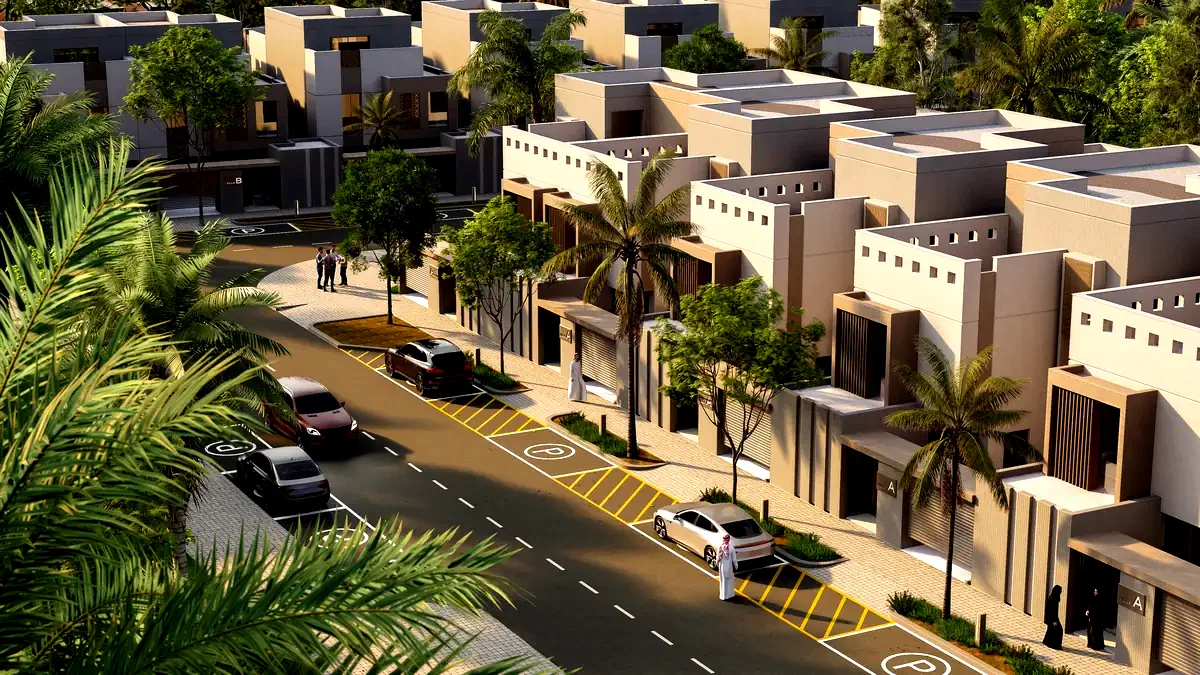
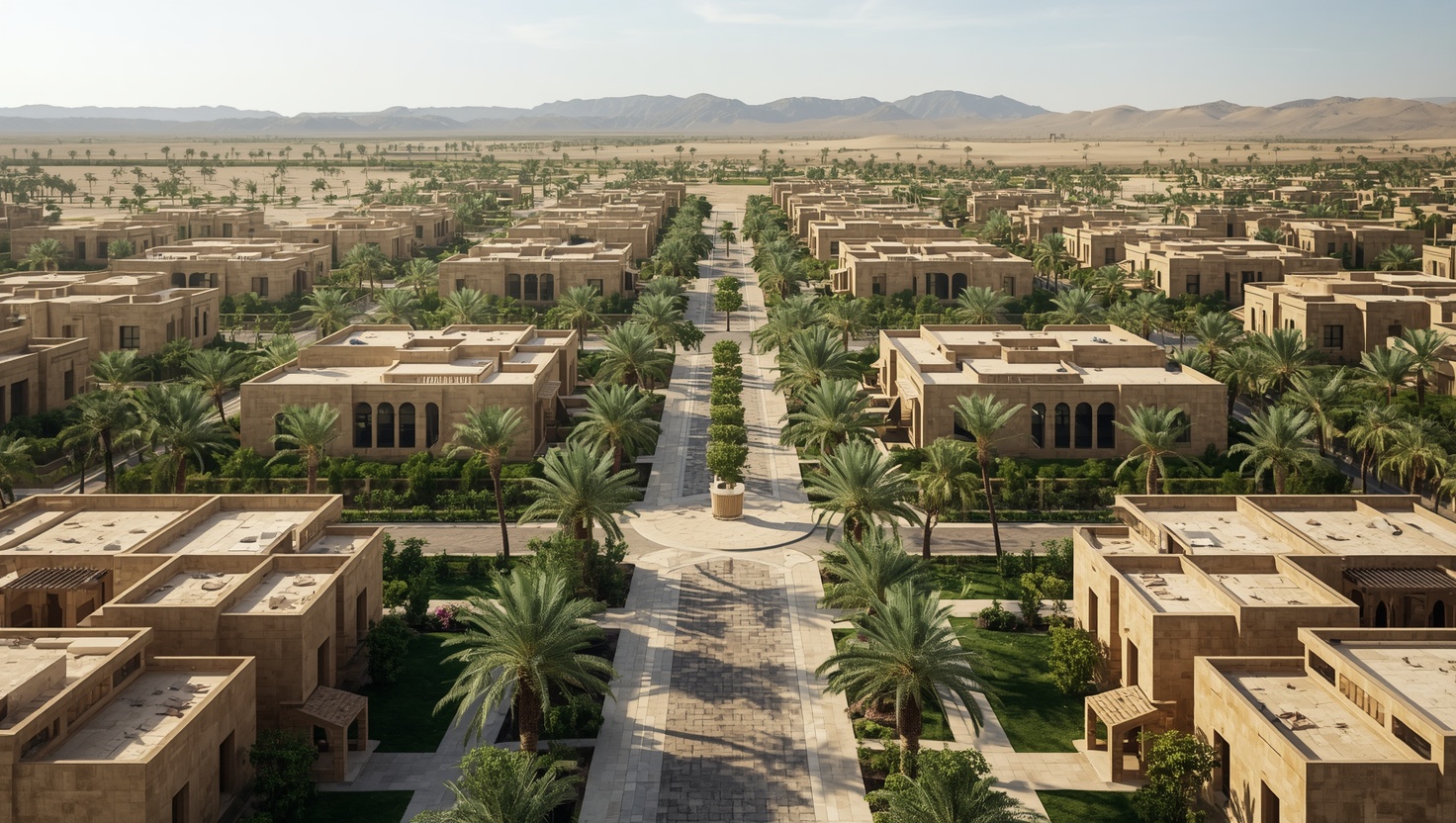
Mosques and squares play an important role in the social and religious life of a community. These areas serve not only for worship but also as places where social interactions take place, community relationships are strengthened, and social unity is achieved. Mosques are not only a point of gathering for the community but also meet religious needs. Squares provide a space for social events, celebrations, and other community activities. Therefore, the proper planning and usage of these areas enhance the quality of life for the residents. Hayat Makkah adopts both a functional and aesthetic approach while designing these areas, taking into account the social and religious structure of the community.
Considerations in Mosque Design#
The design of mosques is critically important in terms of both functionality and social acceptance. Having mosques located in accessible positions increases community participation in worship. Additionally, the acoustic arrangements of the interior allow for more effective communal prayers. While spacious areas facilitate collective worship, it is also important to organize the space to ensure personal privacy. Easy access points help manage the flow during busy times.
- Large windows should be designed to allow natural light into the mosques.
- Sufficient seating and prayer space should be provided.
Suitability of Squares for Social Events#
Squares should be designed as versatile spaces for social events. They offer ample areas for festivals, celebrations, and community activities. In the design of the square, it is important to consider different age groups and their needs. Stage areas, seating groups, and green spaces should be created for outdoor events. Additionally, providing play areas for children and relaxation areas for adults will enhance social interaction.
Enhancing Community Relationships#
The impact of mosques and squares on community relationships within the development is significant. These areas serve as social gathering points where neighbors come together. Organized events facilitate people getting to know each other and building connections. For example, local festivals or community projects can foster solidarity and unity among neighborhood residents. Social spaces adjacent to mosques should become places where residents gather to share knowledge and experiences.
In conclusion, the mosques and squares in Hayat Makkah should be meticulously designed to enhance the quality of social life. The functionality and aesthetics of these areas will positively contribute to the daily lives of the residents. Considering community needs during the planning process will ensure the effective use of these spaces. Thus, as areas for both religious and social activities, mosques and squares will become significant assets for families living in Hayat Makkah.
Get Information About Hayat Makkah#
Get the latest information about villa types, community layout, and the purchasing process from the Hayat Makkah team:
- Phone: +966 13 518 1891
- Email: info@emlakkonut.sa
- Web: hayatmakkah.com