Fundamental Principles of Pedestrian-First Street Design#
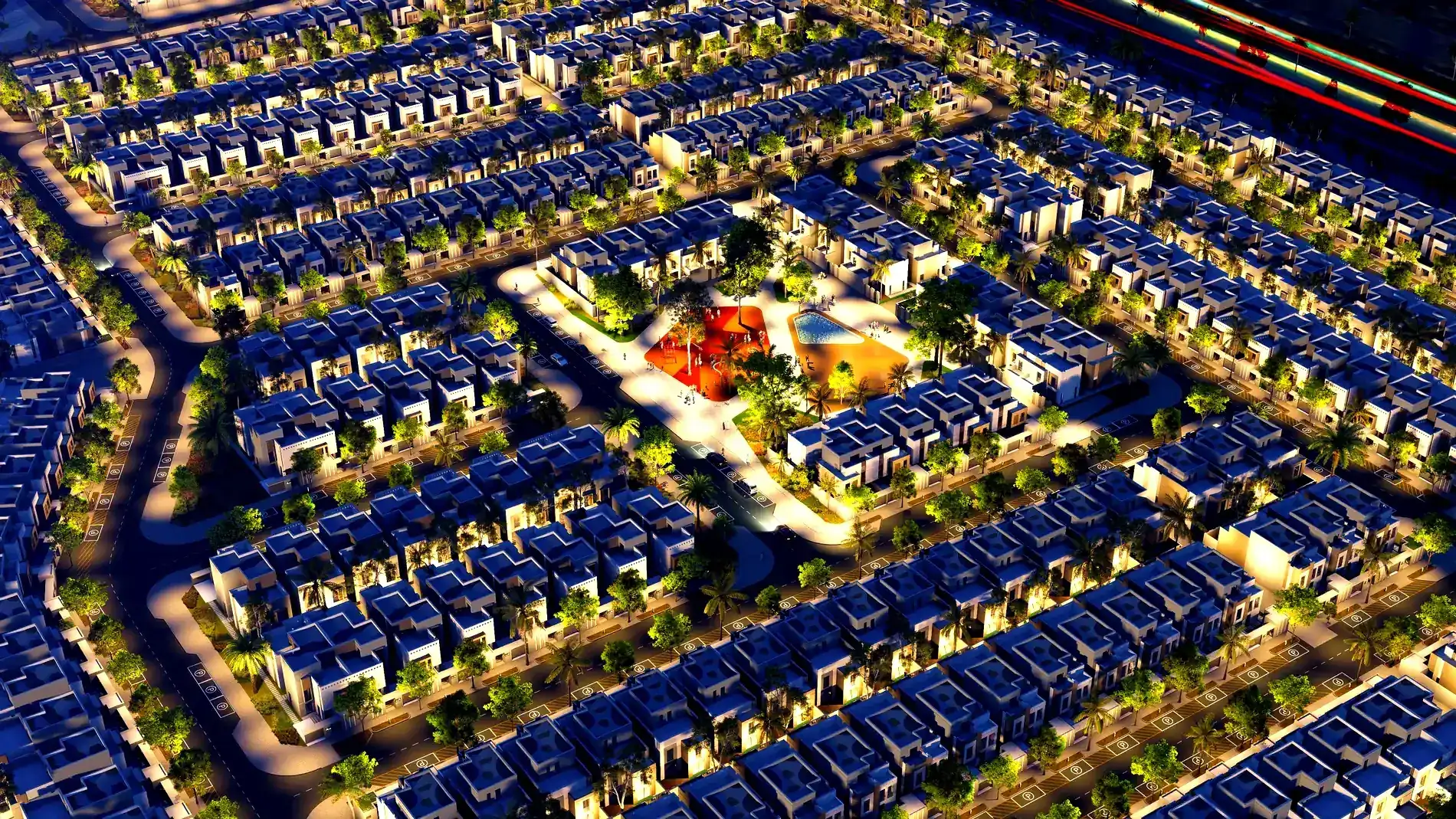
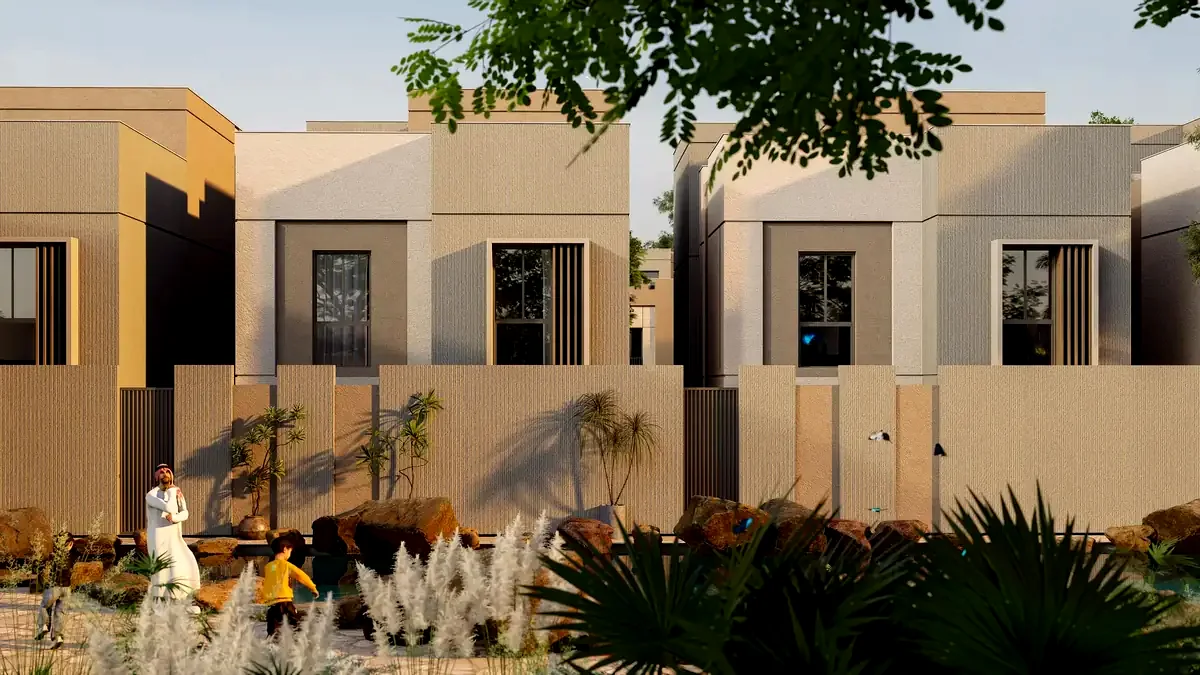
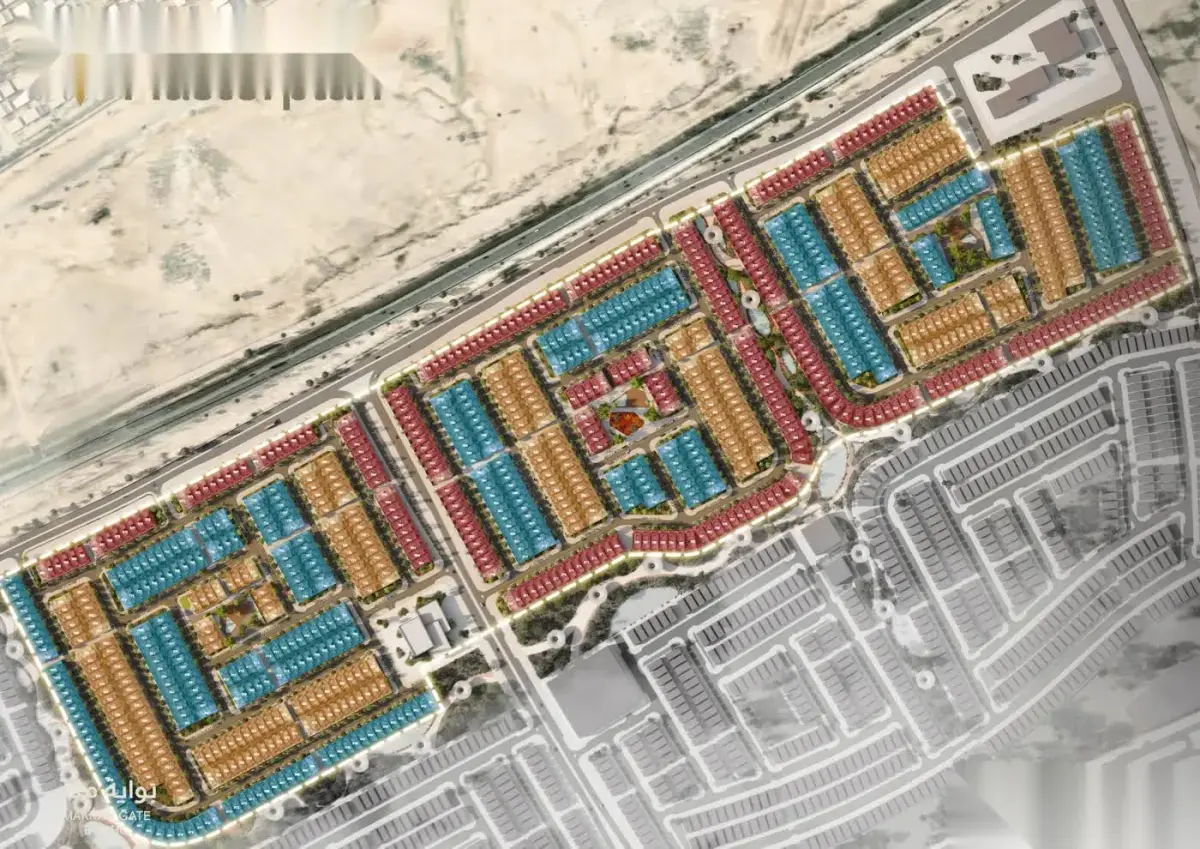
Pedestrian-first street design is an approach that has the potential to reshape the physical and social structure of cities. This design philosophy aims to enhance social interaction while prioritizing the safety and comfort of pedestrians. In densely populated cities like Makkah, the proper design of pedestrian pathways is of great importance in terms of both aesthetics and functionality. In innovative residential projects like Hayat Makkah, the application of these principles facilitates residents' daily lives while strengthening social ties. This section will address the fundamental principles of pedestrian-first street design, its social impacts, and its applications in Hayat Makkah.
Quick Summary
- Pedestrian-first design enhances the safety and comfort of pedestrians.
- Effective use of public spaces promotes social interaction.
- Hayat Makkah offers modern living spaces by applying these principles.
Pedestrian Safety and Comfort#
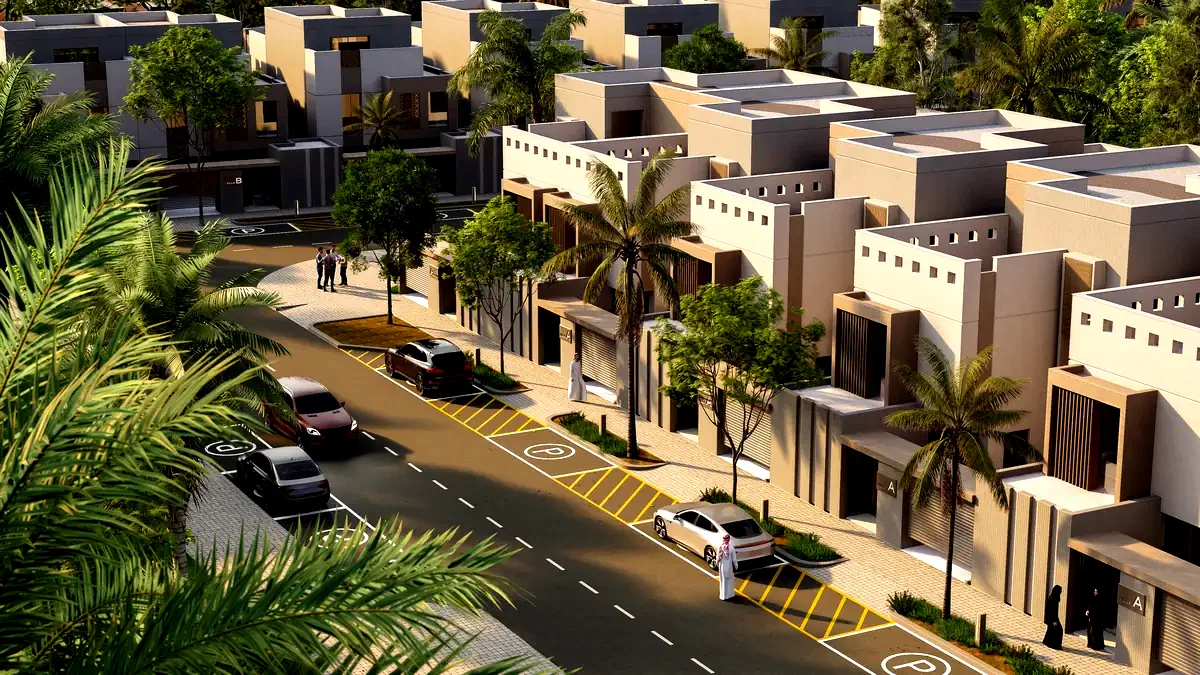
Pedestrian safety is one of the most important elements of pedestrian-first street design. Factors such as the width of pedestrian pathways, surface materials, and lighting directly affect pedestrian safety. For example, wide pedestrian pathways allow people to walk side by side, while non-slip surfaces reduce the risk of slipping. Additionally, adequate lighting increases safety during nighttime walks. In the Hayat Makkah project, these elements have been carefully considered in the design of pedestrian pathways, prioritizing the safety of pedestrians.
- Wide pedestrian pathways promote social interaction.
- Non-slip surface materials enhance safety.
- Adequate lighting ensures nighttime safety.
Traffic Management and Pedestrian Areas#
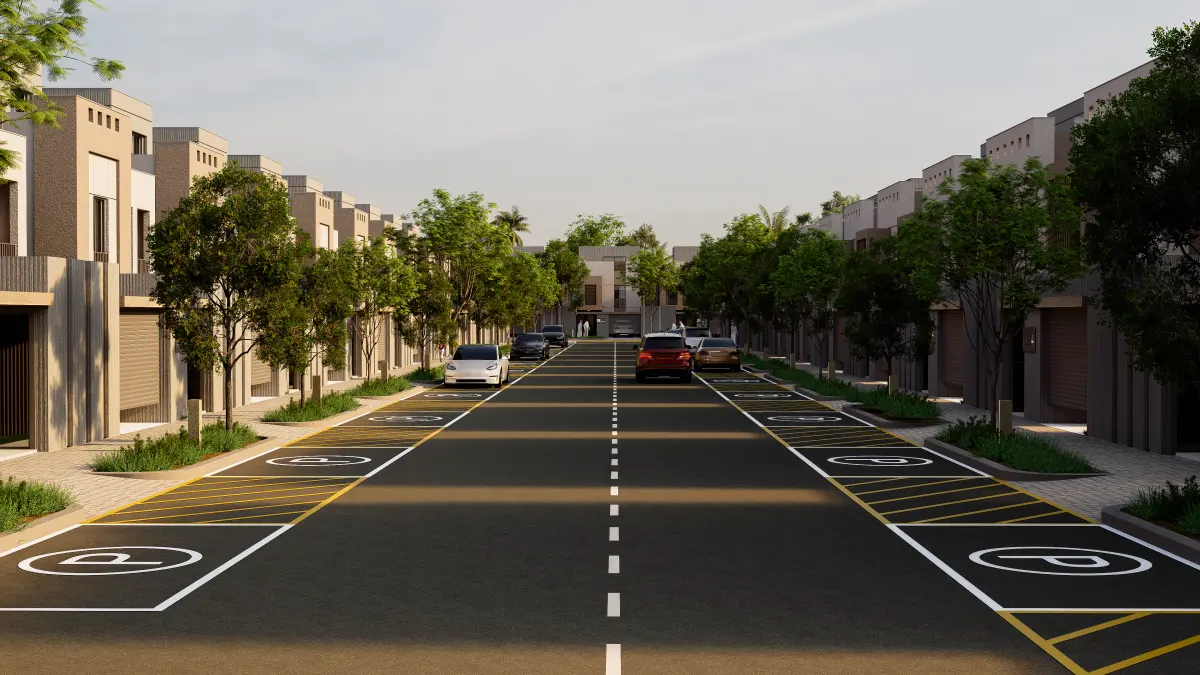
Effective management of pedestrian areas is another fundamental principle of pedestrian-first street design. Appropriate arrangements must be made to ensure that traffic flow does not harm pedestrian pathways. For instance, using traffic-calming elements (speed bumps) allows pedestrians to walk safely. The pedestrian pathways in Hayat Makkah are supported by areas designed for managing vehicle traffic. This ensures that both pedestrian and vehicle traffic operate in harmony.
Effective Use of Public Spaces#
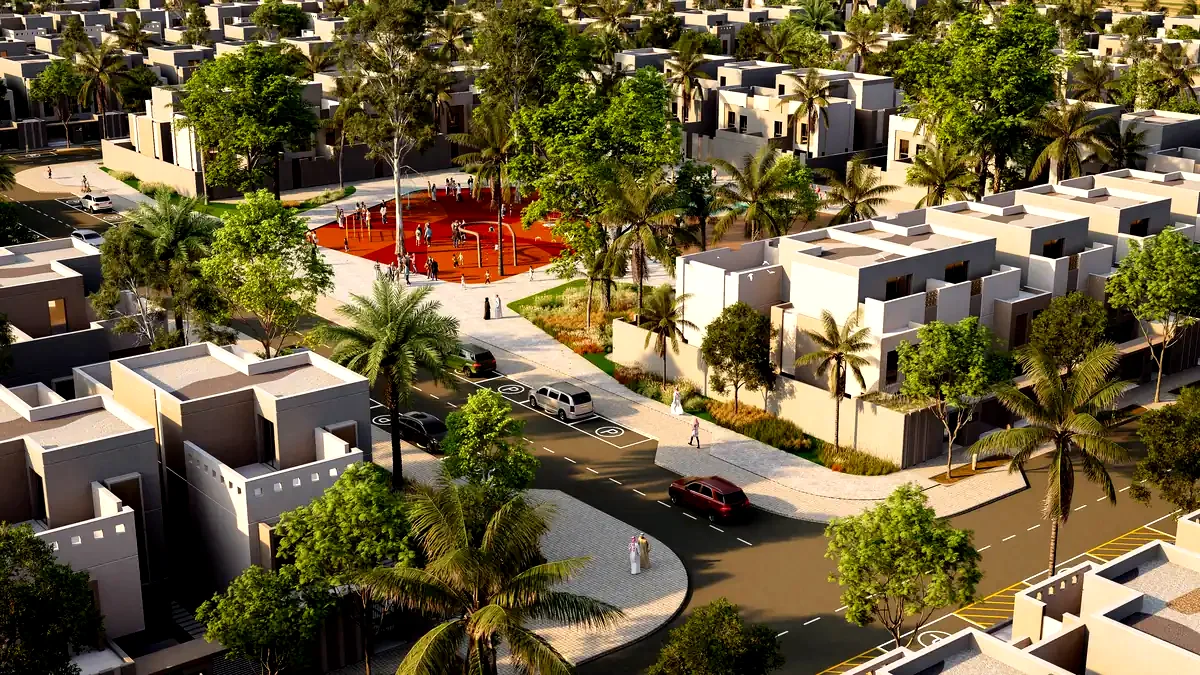
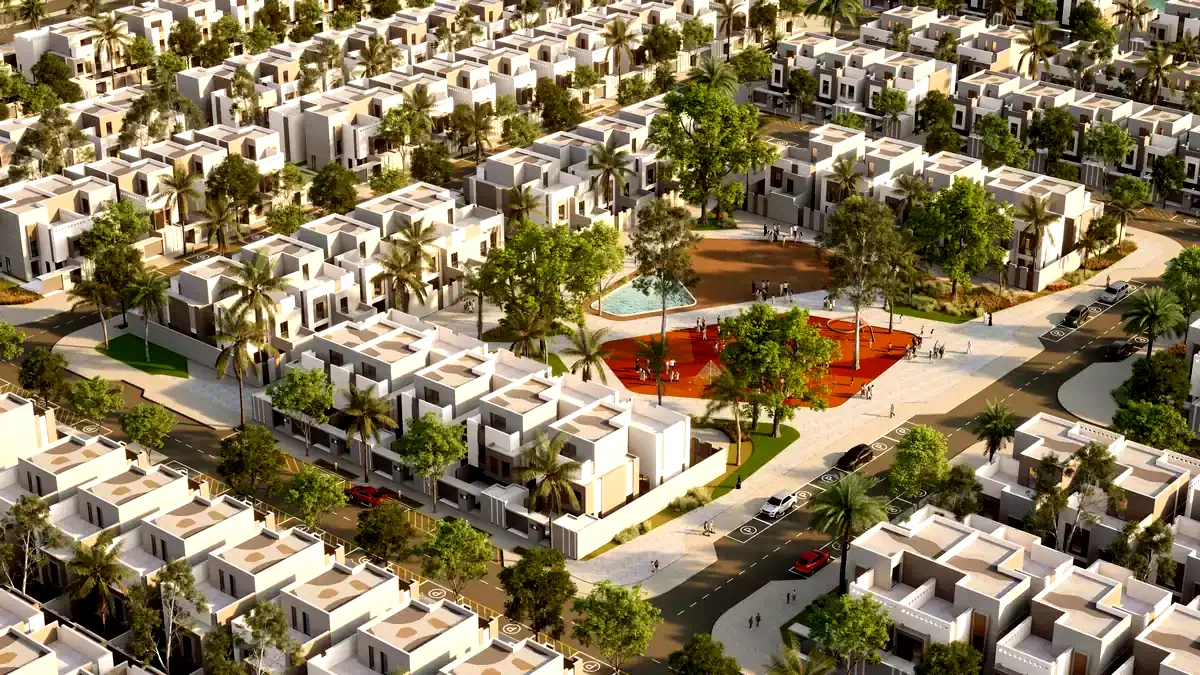
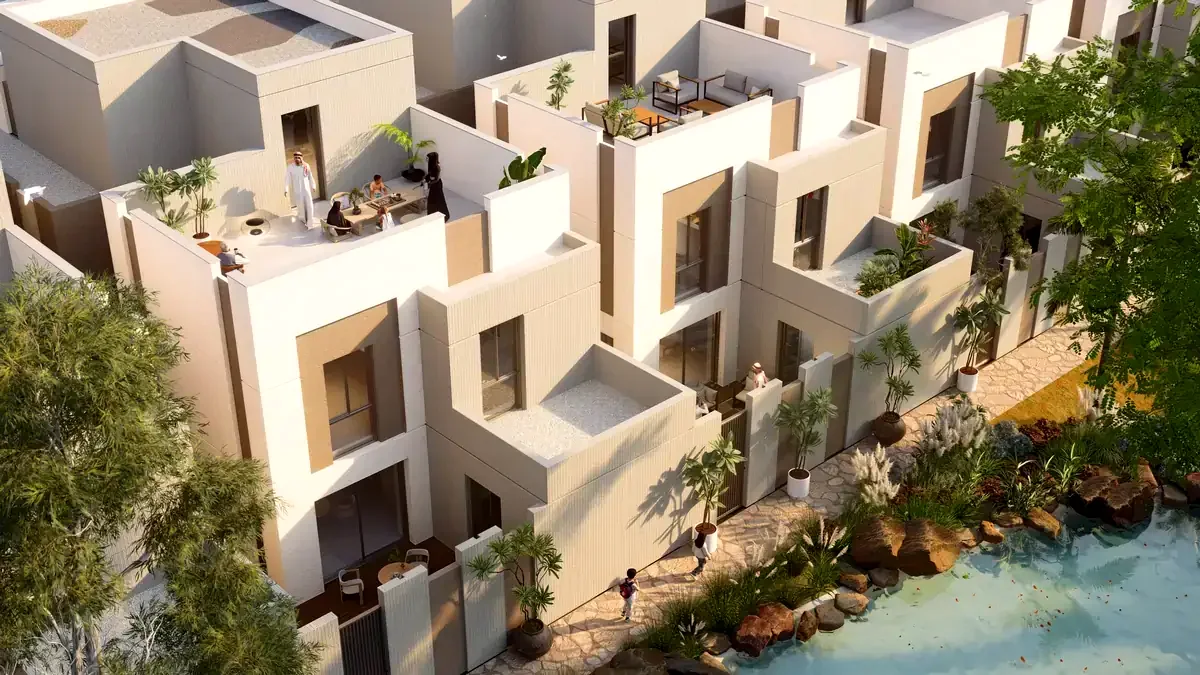
Public spaces are essential for enhancing social interaction. Pedestrian-first design ensures the effective use of these areas. For example, green spaces, benches, and resting areas should be included within pedestrian areas. These elements encourage people to come together and engage in social interaction. In Hayat Makkah, social facilities and resting areas are planned alongside pedestrian pathways to enrich the social lives of residents.
In conclusion, the fundamental principles of pedestrian-first street design consist of elements such as safety, traffic management, and effective use of public spaces. These principles enhance social interaction and quality of life while offering modern living spaces. The Hayat Makkah project aims to provide its residents with a comfortable living experience by embracing these principles.
Methods to Enhance Pedestrian Safety within the Community#
Pedestrian safety within the community stands out as an important element in modern residential projects. Safe and comfortable pedestrian areas not only ensure the safety of individuals but also support social interaction and community life. Particularly in residential areas where families live, creating safe routes for children and adults is a critical necessity. Methods to enhance pedestrian safety include design principles, landscaping arrangements, and infrastructure improvements. In this context, the importance of properly planning pedestrian pathways, effectively using lighting systems, and considering environmental factors is significant. All these elements contribute to improving the quality of living spaces, allowing residents to lead a peaceful life.
Design Principles and Safety Elements#
The design of pedestrian pathways within the community should be done carefully to ensure safety. The width of the pedestrian pathways should be planned to ease pedestrian traffic, and accessibility for the disabled should also be considered. Where necessary, clear separations should be made between pedestrian pathways and vehicle roads. This separation can be achieved both visually and with physical barriers. For example, plant cover or low walls can be used between vehicle roads and pedestrian pathways. Such design solutions not only make pedestrian crossings safer but also ensure that pedestrian areas appear more peaceful and aesthetically pleasing.
- Wide pedestrian pathways provide a more comfortable space for pedestrian traffic.
- Using physical barriers to separate vehicle and pedestrian pathways prevents accidents.
The Role of Landscaping Arrangements#
Landscaping arrangements are an important factor in enhancing pedestrian safety. The positioning of green areas and trees along pedestrian pathways provides shade and makes pedestrian pathways more attractive. Additionally, landscaping arrangements can help delineate pedestrian pathways while also serving a natural guiding function. For instance, the placement of trees can assist in directing pedestrian traffic while simultaneously enhancing environmental aesthetics. Supported by adequate lighting, these arrangements ensure pedestrian safety even during evening hours.
Lighting and Visual Communication#
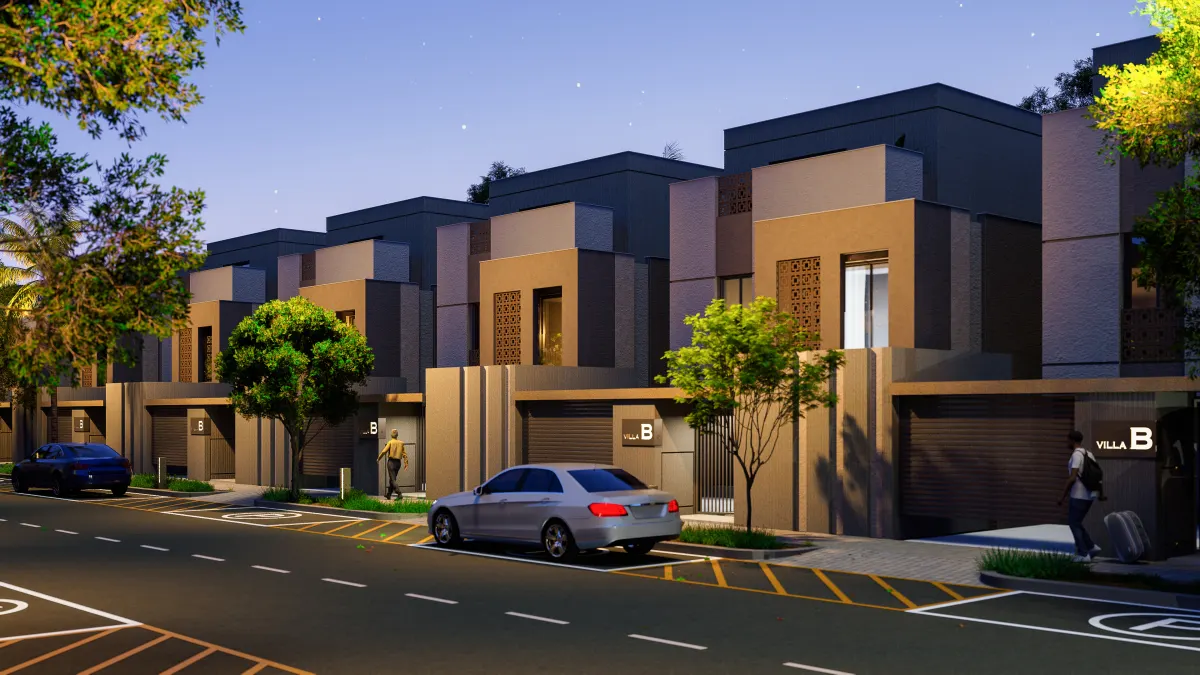
Lighting is a critical element in enhancing pedestrian safety. A good lighting system increases visual perception in darkness and ensures the visibility of pedestrian pathways. The strategic placement of lighting within the community creates safe crossing points. Additionally, informational signs and directional boards located along pedestrian pathways help people move safely. For example, clearly marking pedestrian crossings and hazardous areas provides a significant advantage, especially for families with children. Such measures enhance pedestrian safety while also facilitating the mobility of residents within the community.
In conclusion, methods to enhance pedestrian safety within the community ensure that projects are successful both functionally and aesthetically. Design principles, landscaping arrangements, and effective lighting systems enhance the safety of pedestrian areas, improving the quality of life for residents. These methods not only ensure individual safety but also support social interaction and community life. Considering these elements in modern residential projects forms the foundation for creating a sustainable and livable environment.
Sustainable Transportation and Pedestrian Pathways Relationship#
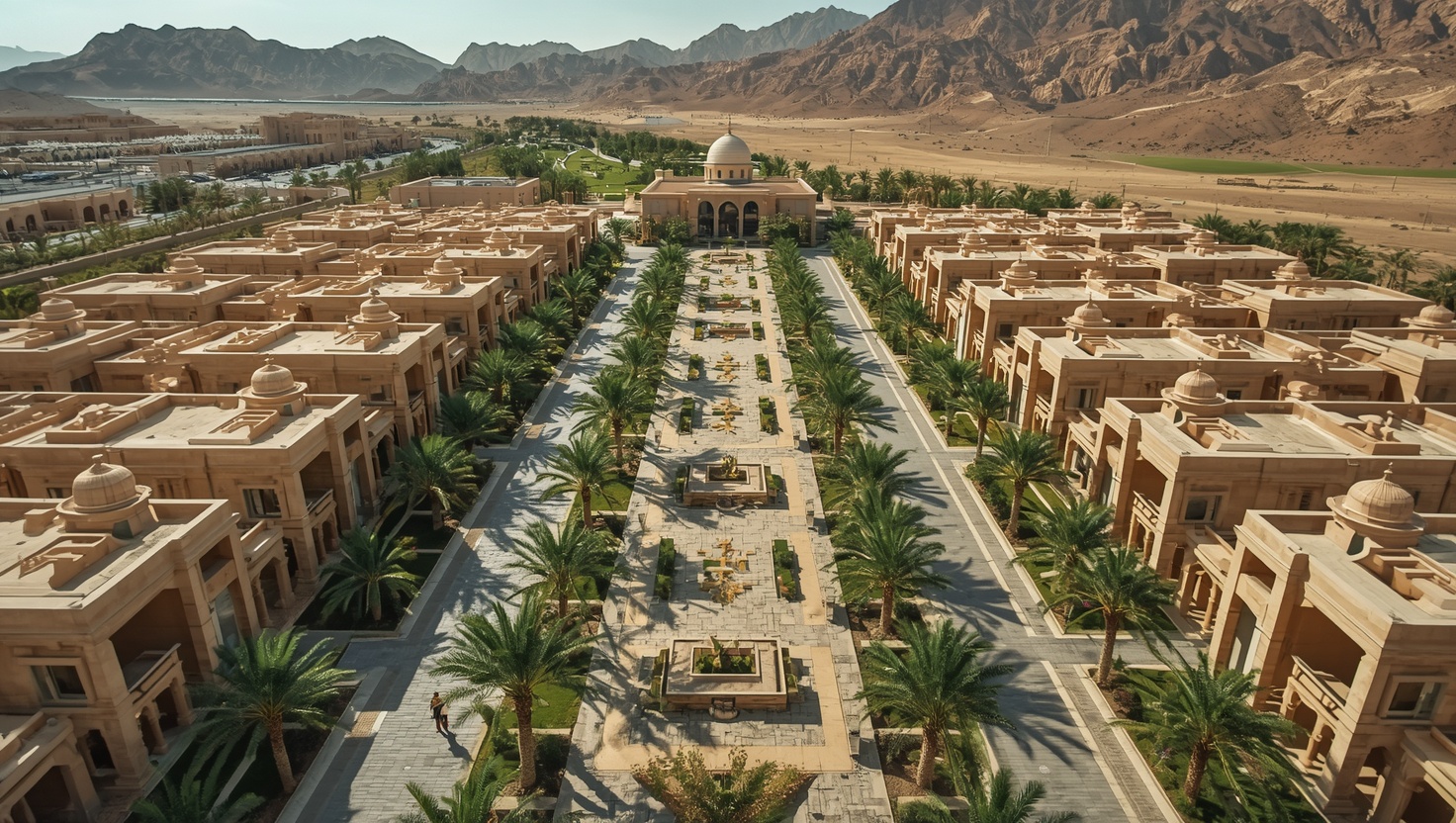
Sustainable transportation is an important component for enhancing the quality of life in cities and minimizing their environmental impacts. Pedestrian pathways enhance the quality of living spaces by increasing social interaction within communities. In a densely populated and religiously significant city like Makkah, the design and integration of pedestrian pathways play a critical role in both transportation and social interaction aspects. In this context, sustainable transportation systems, when combined with pedestrian pathways, have the potential to create a safe, accessible, and environmentally friendly living space. Projects like Hayat Makkah adopt a pedestrian-focused design philosophy based on these principles.
Fundamental Principles in the Design of Pedestrian Pathways#
Key principles to consider in the design of pedestrian pathways include accessibility, safety, and comfort. Accessibility refers to the ability of all individuals, from the elderly to children, to comfortably use pedestrian pathways. Therefore, factors such as the width of pedestrian pathways, ground materials, and slope should be meticulously planned. Safety includes elements that enhance the security of pedestrian traffic, such as lighting, visibility distance, and areas separated from vehicle traffic. For example, clearly separating pedestrian pathways from vehicle roads in projects enhances pedestrian safety while providing a smooth transportation experience.
- Accessibility: Wide and flat surfaces, ramps, and adequate lighting.
- Safety: Pedestrian pathways separated from vehicle roads and appropriate visibility angles.
Contribution of Pedestrian Pathways to Social Interaction#
When designed to enhance social interaction among individuals, pedestrian pathways strengthen social ties. The integration of social spaces, parks, and recreational areas with pedestrian pathways creates environments where people can gather and spend time together. For instance, in the Hayat Makkah development, the social facilities and green spaces adjacent to pedestrian pathways enrich the daily lives of residents while promoting social interaction. The presence of such areas facilitates individuals in establishing social connections within their daily routines.
Sustainable Transportation Solutions and Pedestrian Pathways#
Sustainable transportation solutions also encompass bicycle paths and public transportation systems alongside pedestrian pathways. These types of solutions encourage individuals to walk or bike short distances while reducing carbon emissions. For example, planning bicycle paths alongside pedestrian pathways supports seamless transportation alternatives. The coexistence of pedestrian and bicycle pathways facilitates individuals' access to public transportation points, thereby increasing the adoption of environmentally friendly transportation.
In conclusion, the relationship between sustainable transportation and pedestrian pathways is a significant factor in enhancing the quality of living spaces. The integration of these elements in projects like Hayat Makkah provides healthier living conditions for individuals while minimizing environmental impacts. Pedestrian pathways should be designed not only as a means of transportation but also as an environment that enhances social interaction and brings the community together. Therefore, planning pedestrian pathways as part of sustainable transportation solutions plays a critical role in meeting the needs of the community.
Materials and Technologies Used in Pedestrian-Centric Design#
Pedestrian-centric design stands out as an important approach to enhance the sustainability of cities and improve social interaction. In this design philosophy, the safety and comfort of pedestrians are prioritized. In projects like Hayat Makkah, the materials and technologies used in pedestrian pathways are carefully selected to achieve these goals. The arrangement of pedestrian areas aims to combine aesthetics and functionality while reducing environmental impact. In this context, various material options and technological developments play a significant role in the design of pedestrian pathways.
Materials Used in Pedestrian Pathways#
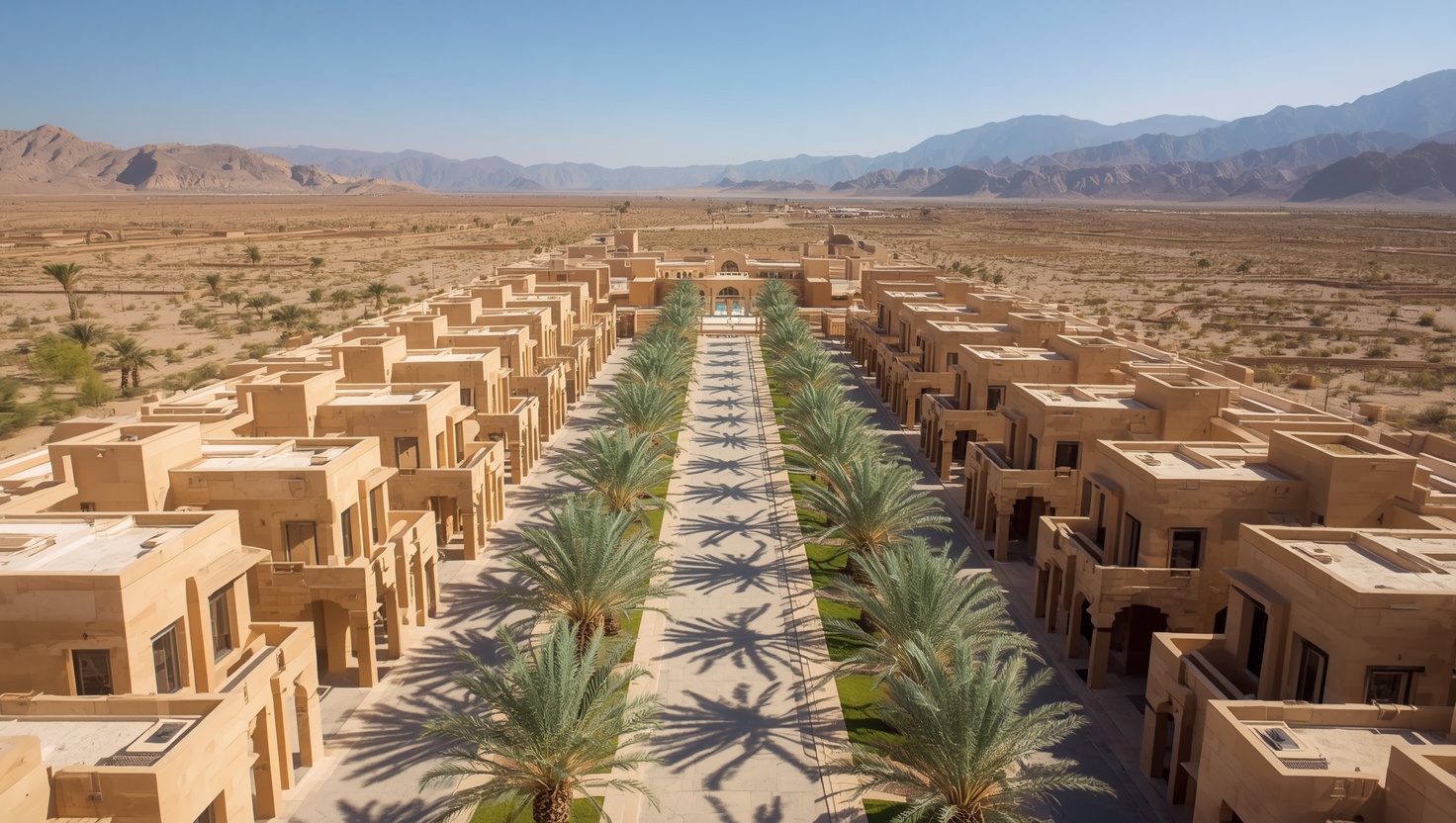
The materials used in pedestrian pathways are of great importance in terms of both aesthetics and functionality. The selection of these materials is determined by the density of pedestrian traffic, climatic conditions, and environmental factors. For example, in Hayat Makkah, natural stones, concrete mixtures, and sustainable materials are preferred for flooring. Some of the key properties of these materials are:
- Natural Stone: Provides an aesthetic appearance and is durable.
- Sustainable Materials: Reduce environmental impact due to their recyclable properties.
- Non-Slip Surfaces: Specifically designed to enhance pedestrian safety.
Use of Smart Technologies#
The integration of smart technologies in pedestrian pathways is essential to enhance safety and improve user experience. Hayat Makkah offers various innovative solutions in this area. For instance, integrated lighting systems in pedestrian pathways increase safety during nighttime. Additionally, sensor-based systems allow for adjustments based on pedestrian density at different times. Such technologies support the functionality of pedestrian areas while promoting sustainability.
The Importance of Landscaping and Green Spaces#
The landscaping arrangements around pedestrian pathways enhance people's interaction with nature while also providing psychological benefits. Green spaces reduce stress levels and encourage social interactions. In the Hayat Makkah project, the trees and vegetation alongside pedestrian pathways not only offer an aesthetic view but also provide environmental benefits. These arrangements help increase water retention capacity, contributing to the continuity of the natural water cycle.
In conclusion, pedestrian-centric design can be effectively implemented through the correct selection of materials and technologies. The design philosophy presented in Hayat Makkah enhances pedestrian safety while also considering aesthetics and environmental sustainability. In this way, living spaces allow for not only physical but also social interaction. The materials and technologies used in pedestrian pathways play a critical role in achieving these goals, and this project serves as an example for future residential development efforts.
Get Information About Hayat Makkah#
Get the latest information about villa types, community layout, and the purchasing process from the Hayat Makkah team:
- Phone: +966 13 518 1891
- Email: info@emlakkonut.sa
- Web: hayatmakkah.com