Quality of Materials Used in Residential Projects#
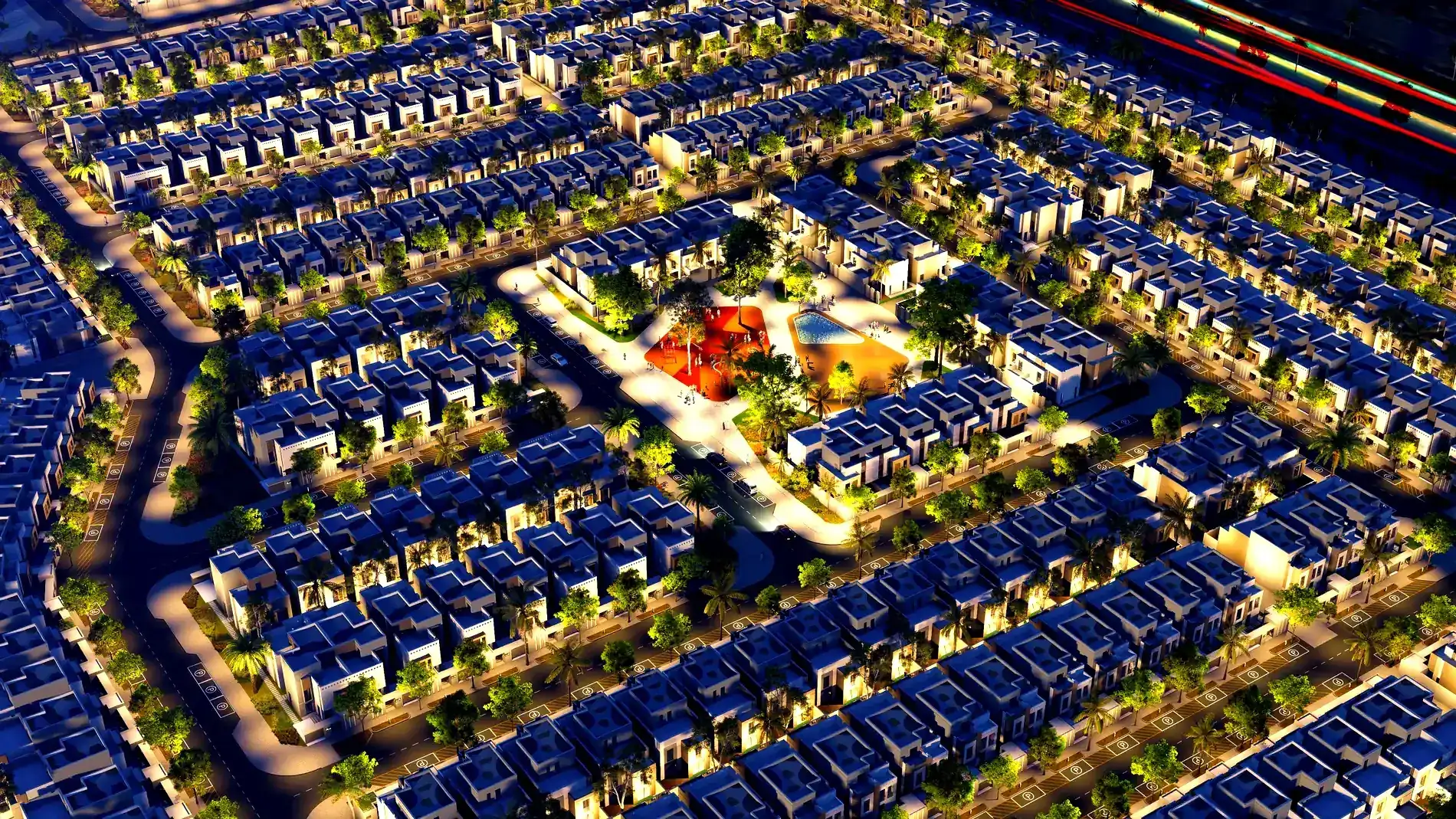
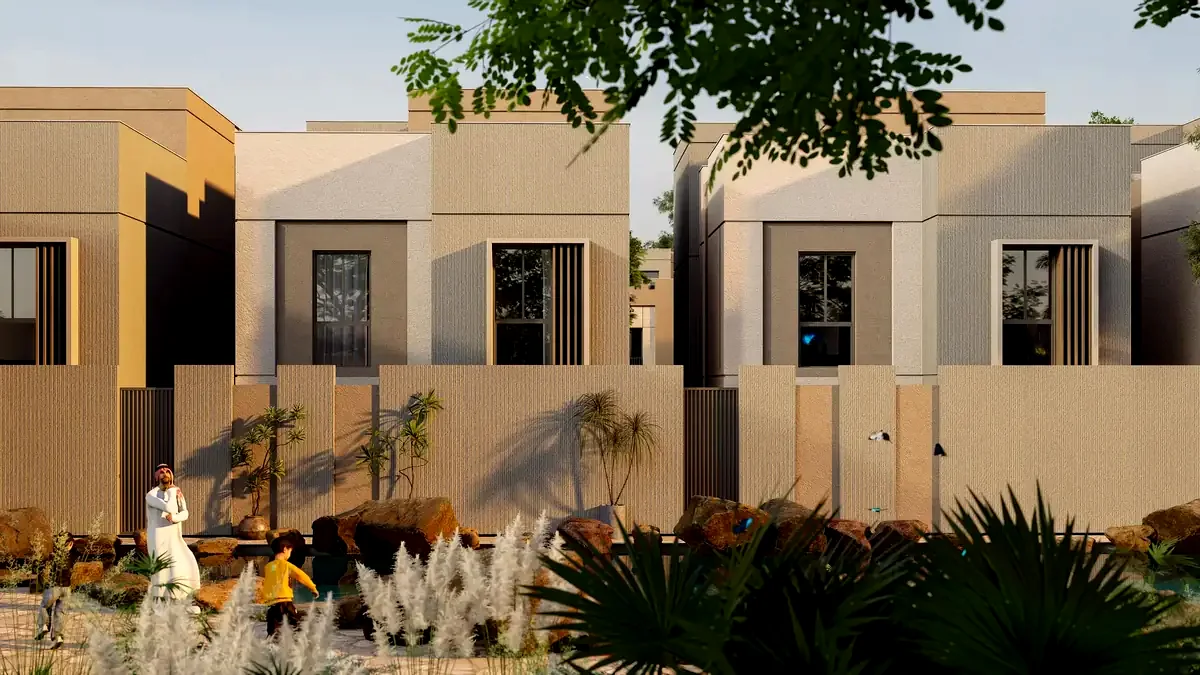
The quality of materials in residential projects plays a critical role in terms of both building safety and living comfort. Quality materials enhance the durability of the structure while contributing to energy efficiency and creating a long-lasting living space. Especially in hot and dry climates like Makkah, the materials used must be suitable for the climatic conditions. Hayat Makkah aims to achieve high-quality standards by combining elements of modern architecture and traditional Hijazi architecture.
Quick Summary
- The quality of materials in residential projects is crucial for safety and comfort.
- Choosing the right materials increases energy efficiency and longevity, while suitability for climatic conditions is also important.
- Hayat Makkah offers quality living spaces by integrating Hijazi architecture and modern elements.
Factors to Consider in the Selection of Building Materials#
Many factors should be considered in the selection of building materials. First and foremost, the durability and longevity of the materials should be evaluated. For example, the materials used in exterior cladding must be resistant to hot climatic conditions. Additionally, it is important for the materials to be environmentally friendly, both in terms of sustainability and user health.
- Durable materials extend the lifespan of the building.
- Choosing climate-appropriate materials increases energy efficiency.
Energy Efficiency and Thermal Insulation#
To ensure effective energy efficiency, the thermal insulation properties of building materials are of great importance. Thermal insulation reduces energy consumption in both summer and winter months. When the right insulation materials are used, indoor temperatures become more stable, and the need for heating or cooling systems decreases. In this context, the materials used in Hayat Makkah have been specifically selected to enhance energy efficiency and comfort.
Safety and Fire Resistance#
Another important feature of building materials is safety and fire resistance. Fire safety is a matter that should never be overlooked in residential projects. The use of fire-resistant materials is vital in potential fire situations. In Hayat Makkah projects, materials that comply with fire regulations and have high safety standards are preferred. This way, the safety of the residents is prioritized.
In conclusion, the quality of materials in residential projects is a factor that directly affects building safety, energy efficiency, and living comfort. Hayat Makkah, while considering these criteria, aims to provide its residents with a healthy and safe living space through the use of high-quality materials, integrating both modern and traditional architectural elements. With the right material selection, it is possible to construct a long-lasting and comfortable living space.
Standards and Controls Applied in the Construction Process#
The construction process is carried out under certain standards and controls to ensure the successful completion of projects. These standards encompass many important elements such as ensuring construction quality, maintaining occupational safety, and minimizing environmental impacts. Regular controls at each stage contribute to the timely completion of the project in accordance with the specified quality criteria. The standards must comply not only with local but also with international norms. For example, projects in Makkah should be designed with particular consideration for local climate and cultural elements. The standards applied at various stages of this process are designed to cover every aspect of construction.
Material Standards#
The quality of materials used in construction is one of the most important factors affecting the overall success of the project. Materials must be procured and used in accordance with the specified standards. For instance, construction materials such as concrete and steel must undergo certain tests for durability and safety. Additionally, the use of local and recyclable materials in accordance with environmental sustainability principles is encouraged. This not only reduces costs but also minimizes environmental impacts.
- Use of materials suitable for local climate conditions
- Compliance with international construction standards
Occupational Safety Standards#
Occupational safety in construction sites should always be a priority. To ensure the safety of workers, it is essential to comply with international and local occupational health and safety standards. In this regard, the use of necessary safety equipment during the construction process and providing regular training to workers is crucial. For example, protective equipment against the risk of falling from heights must be available on-site. Additionally, creating emergency plans and conducting drills will minimize the effects of potential accidents.
Monitoring and Inspection Processes#
Establishing monitoring and inspection mechanisms at every stage of the construction process is critical for the successful completion of the project. These processes should be applied in all stages of construction, starting from material procurement. Furthermore, regular inspections conducted by independent inspection boards provide significant benefits in terms of quality control. These inspections should be documented, and records of each stage should be maintained. This way, potential errors can be detected early, and necessary precautions can be taken.
In conclusion, the standards and controls applied during the construction process play a vital role in the completion of the project. Elements such as material quality, occupational safety, and monitoring mechanisms are decisive in the successful completion of projects. Therefore, adherence to these standards at every stage is essential to enhance the quality and safety of the project. Our company aims to be a reliable player in the construction sector by developing projects that comply with these standards.
Design and Aesthetic Factors in Residential Projects#
Residential projects not only meet functional requirements but also play an important role in creating an aesthetic identity. Design and aesthetic elements enhance the value of a residential project while also affecting the quality of life of its users. In modern architecture, factors such as interior design, façade aesthetics, and environmental harmony are fundamental components that determine the success of residential projects. Therefore, meticulously addressing these elements can positively influence both user satisfaction and the market value of the project. In this article, we will discuss the design and aesthetic factors in residential projects, providing concrete examples for clarification.
Exterior Façade Design and Aesthetic Elements#
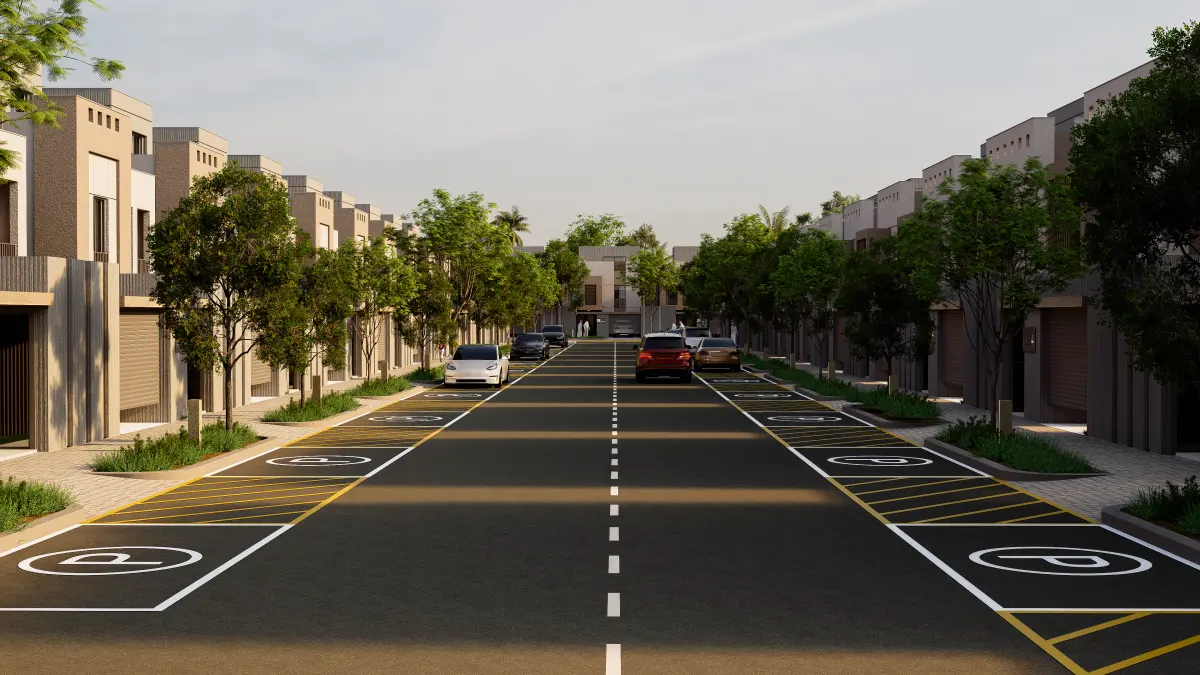
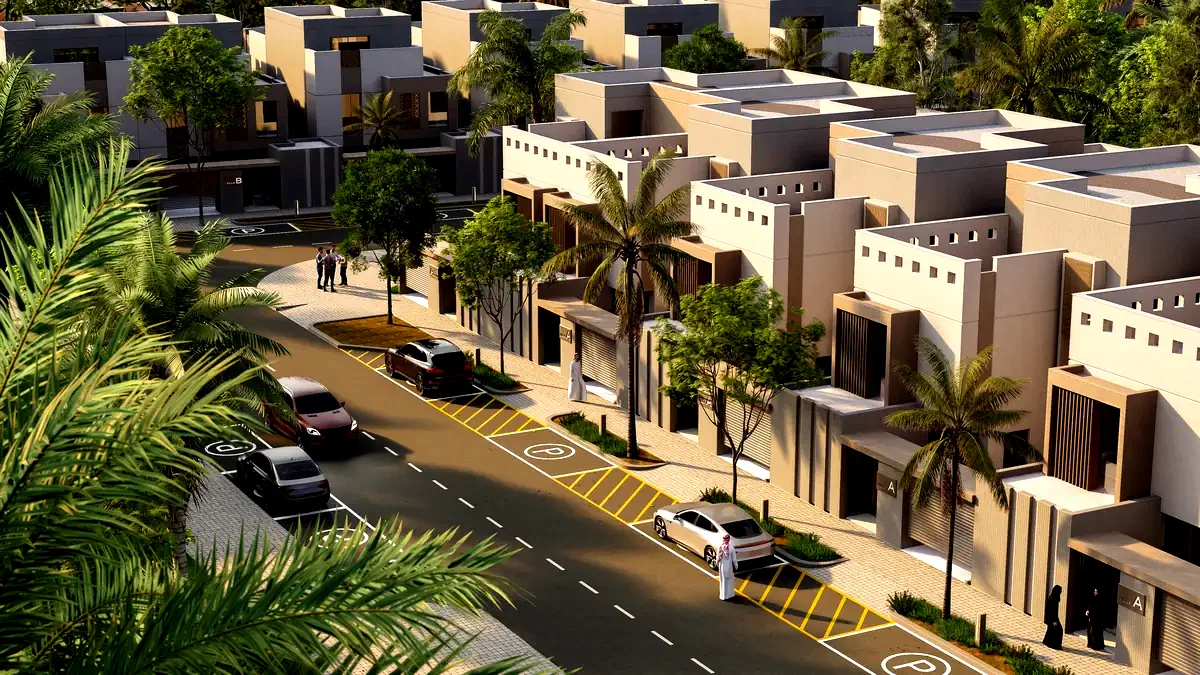
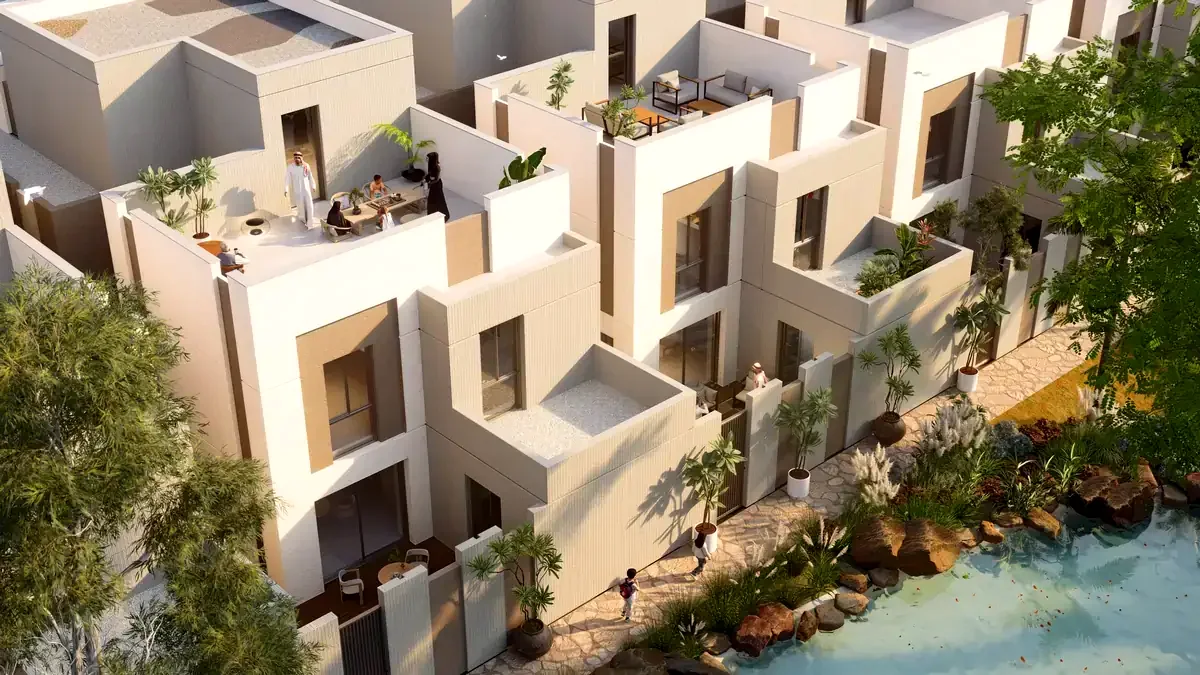
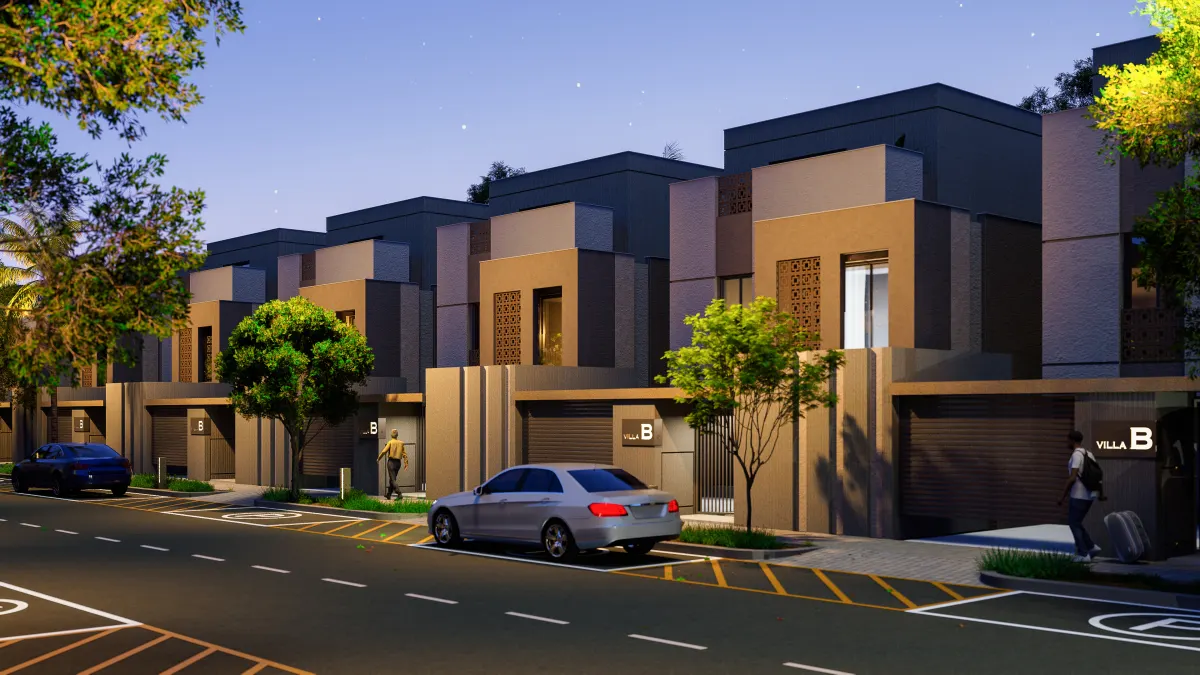
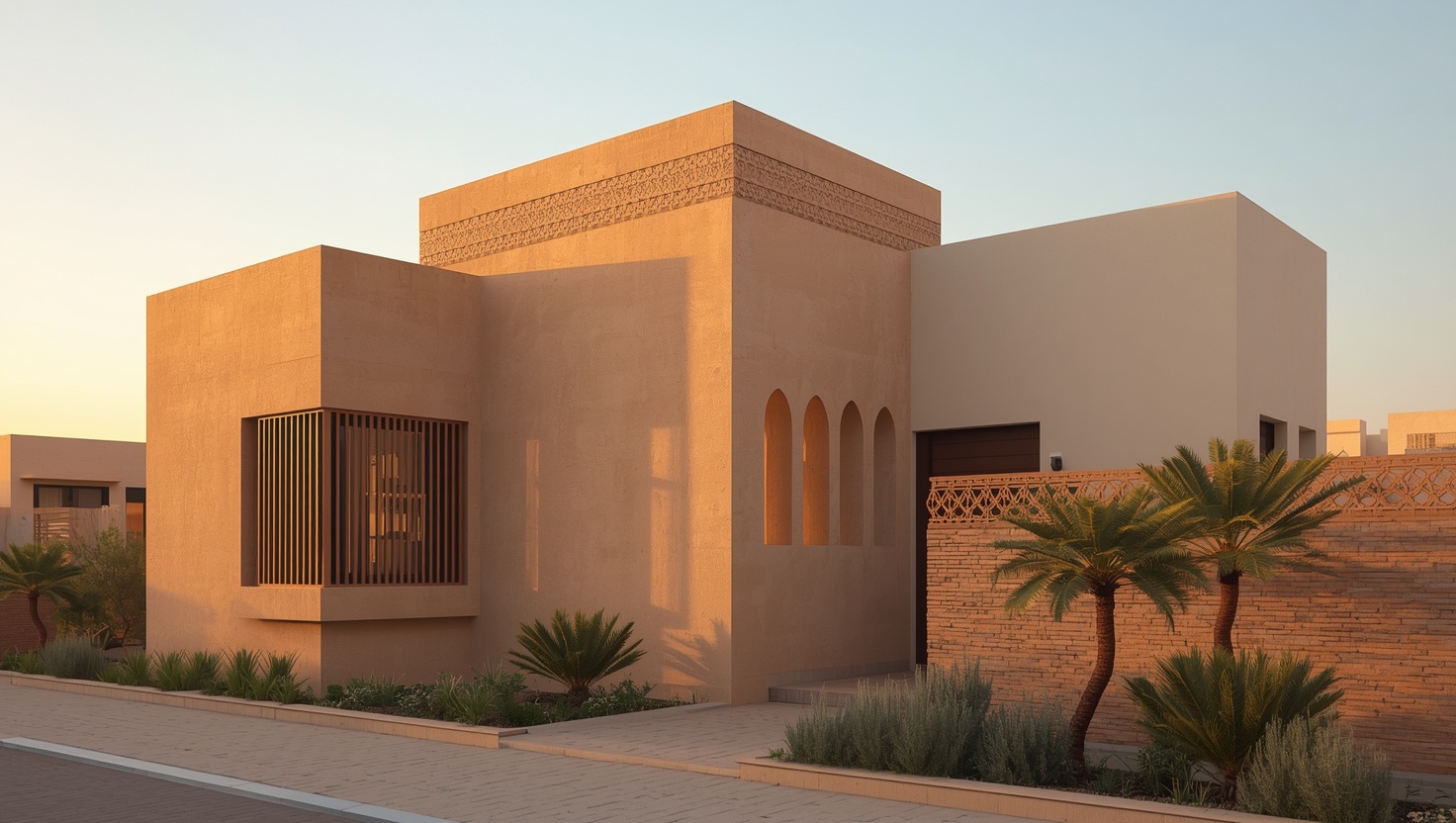
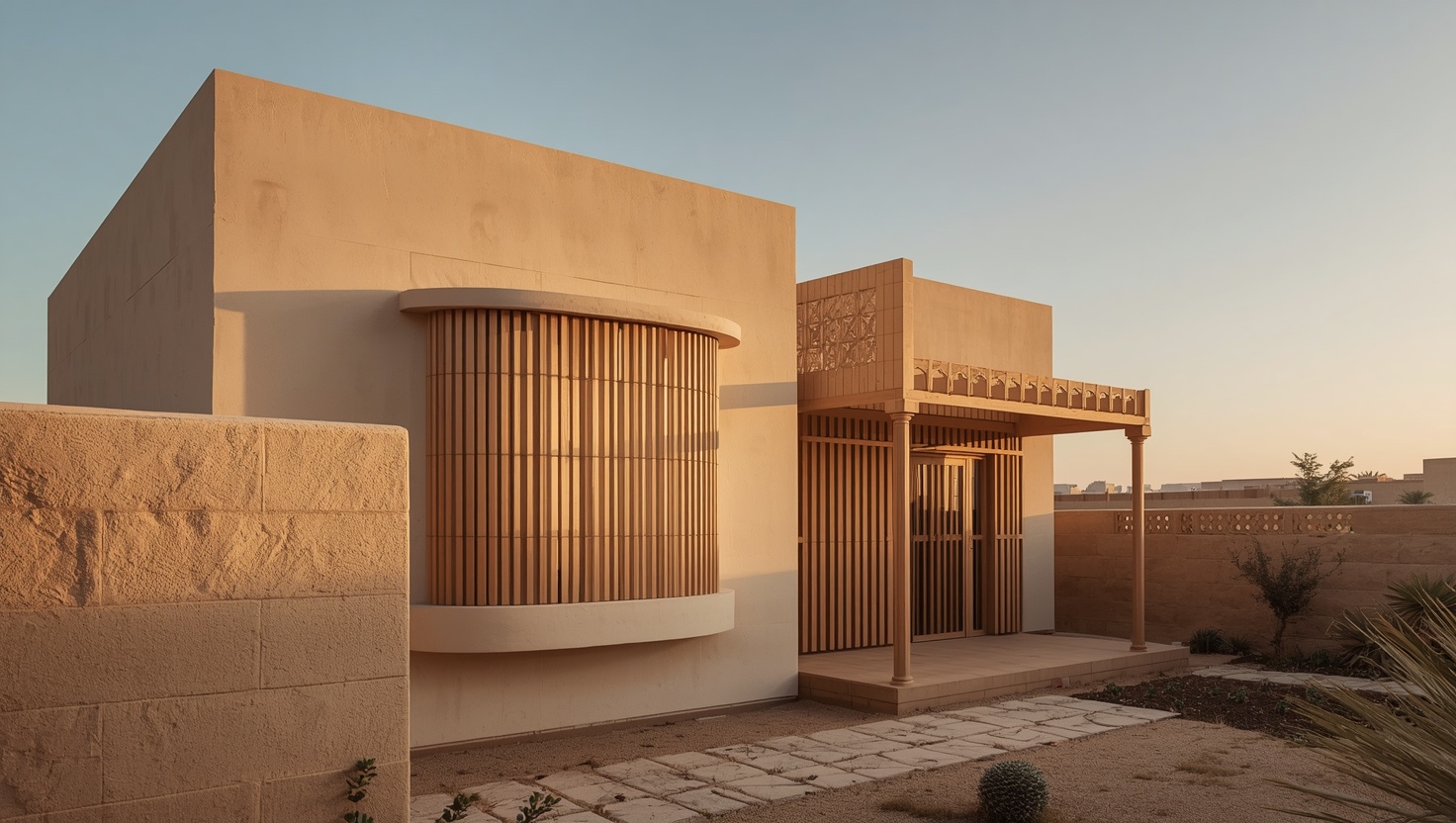
The exterior façade design creates the first impression of a residential project and enhances its aesthetic value. In contemporary architecture, the materials, colors, and forms used in façade design are of great importance. For example, in the Hayat Makkah project, earth tones and natural textures have been preferred in the material palette with modern interpretations of traditional Hijazi architecture. This not only ensures harmony with the environment but also presents a visual aesthetic. Additionally, using façade recesses and varying sizes of openings for sun control contributes to energy efficiency.
- The materials and colors used in façade design determine the overall aesthetics of the project.
- Energy efficiency can be enhanced with alternative façade elements for sun control.
Interior Design and User Experience#
Interior design is a factor that directly affects the time users spend within the residence. Functional planning should consider user comfort alongside aesthetic elements. For instance, separating the majlis from the family area in a residential project provides both privacy and supports social interactions. This type of arrangement allows users to utilize their living spaces more efficiently. The use of open spaces and natural light in interiors positively influences mood, thereby enhancing quality of life.
Integration of Landscape and Natural Elements#
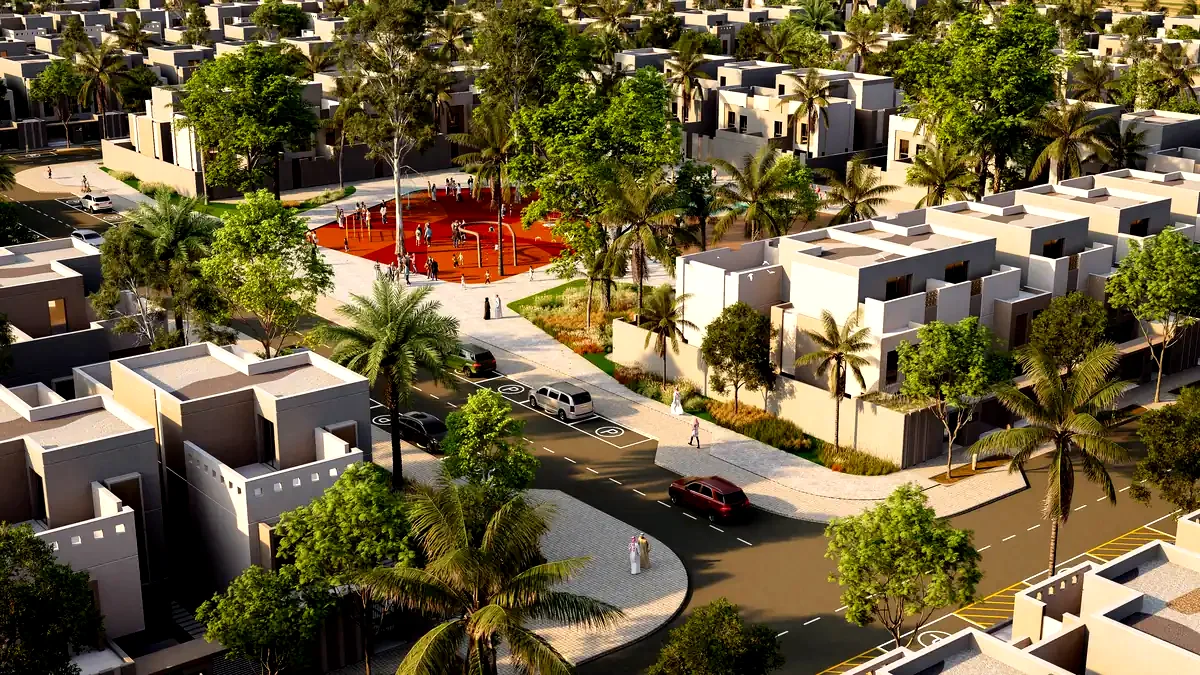
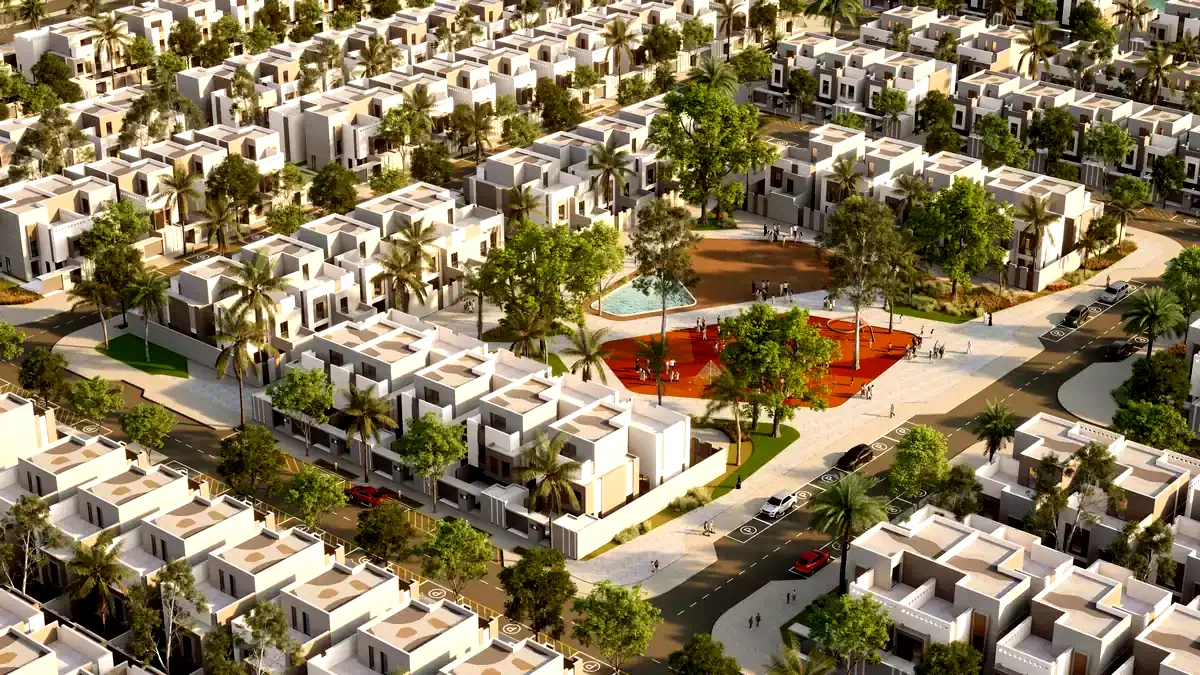
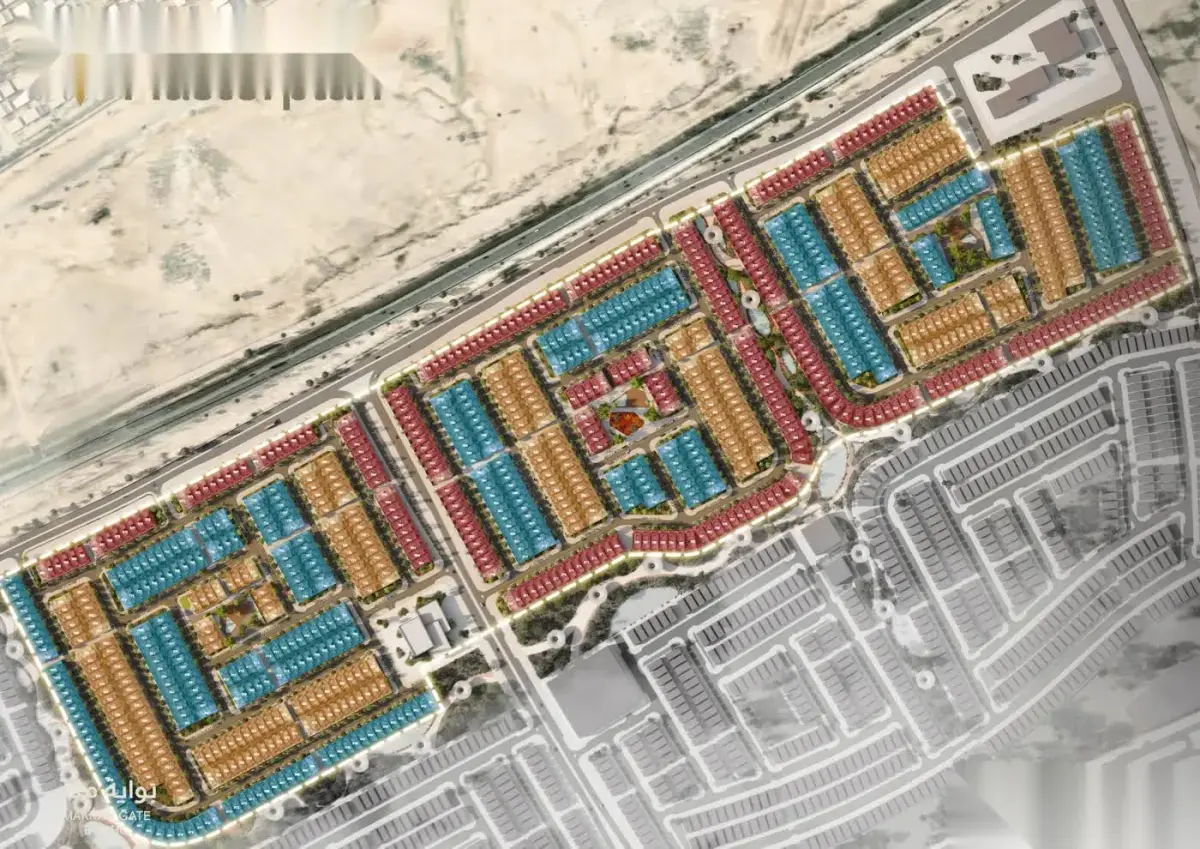
Landscape design significantly contributes to the exterior aesthetics of a residential project. By using drought-resistant local plants, a sustainable living environment can be created. Furthermore, elements such as social areas and children's playgrounds serve as important social interaction spaces for families. In the Hayat Makkah project, providing an environment enriched with green spaces and social facilities supports users' integration within the community. Such details enhance the overall attractiveness of the residential project and elevate the quality of life.
Design and aesthetic elements are factors that deeply influence not only the visual perception of residential projects but also the user experience. When elements such as exterior façade design, interior layout, and landscape design are considered together, they create a comprehensive and holistic living space. Therefore, carefully planning design elements in residential projects is of great importance not only from an aesthetic perspective but also in terms of functionality.
Energy Efficiency and Sustainability Metrics#
Energy efficiency and sustainability are the cornerstones of residential projects today. The integration of these concepts contributes not only to reducing environmental impacts but also to enhancing the quality of living spaces. Hayat Makkah aims to prioritize energy efficiency in its design, targeting both economic and environmental sustainability. Energy efficiency ensures the resourceful and effective use of energy sources, while sustainability aims to protect natural resources and pass them on to future generations. In this section, we will focus on the key considerations for effectively implementing energy efficiency and sustainability metrics.
Energy Efficiency in Building Design#
Energy efficiency in building design begins with the effective use of natural light and ventilation. In Hayat Makkah projects, the goal is to maximize natural lighting through large windows and openings. Additionally, the varying sizes and depths of the openings used in architectural design play a significant role in controlling sunlight. For instance, properly positioning windows helps prevent excessive heat during the summer, leading to energy savings. Furthermore, the use of high-performance glass minimizes energy consumption by reducing heat loss. These elements enhance the energy efficiency of buildings while ensuring user comfort.
- Energy savings through natural lighting
- Prevention of heat loss with high-performance glass
Sustainable Material Selection#
The use of sustainable materials is a critical factor in creating energy-efficient and environmentally friendly projects. In the Hayat Makkah project, eco-friendly materials are preferred, utilizing locally sourced materials in this context. This approach helps reduce material transportation, thereby contributing to lower carbon emissions. Moreover, insulation materials that promote energy efficiency significantly decrease the energy consumption of buildings. The use of natural textures in the construction of residences provides advantages in terms of both aesthetics and energy efficiency. In this way, not only environmental but also economic sustainability is achieved.
Integration of Green Spaces#
Green spaces hold significant importance in terms of energy efficiency and sustainability. Hayat Makkah pays great attention to landscaping and focuses on using drought-resistant local plants. These plants not only save water but also support the natural ecosystem. Additionally, the integration of open spaces, social facilities, and parks enriches community life while reducing energy consumption. Providing shaded areas helps decrease energy consumption during the summer while also enhancing the comfort of users. This approach supports both environmental and social sustainability.
In conclusion, energy efficiency and sustainability metrics are crucial factors determining the success of residential projects. Hayat Makkah minimizes environmental impacts and enhances quality by integrating these metrics into its projects. The right material selection, effective building design, and integration of green spaces play a critical role in achieving these goals. In this context, we can say that the understanding of energy efficiency and sustainability will become even more prominent in future projects.
Get Information About Hayat Makkah#
Get the latest information regarding villa types, community layout, and the purchasing process from the Hayat Makkah team:
- Phone: +966 13 518 1891
- Email: info@emlakkonut.sa
- Web: hayatmakkah.com